Three Summers in the Corn
The plate
The third night, I brought a plate.
Nothing fancy. Meatloaf, mashed potatoes, green beans from Dad’s garden, and two pieces of rhubarb crunch in a margarine tub. I covered it with foil and set it on the porch rail and went to get Caleb, and I meant to just leave it.
Vern came out on the porch as we were leaving. He looked at the plate a long time.
“I don’t need charity,” he said.
“It isn’t charity,” I said. “You’re feeding my son a Pepsi every night. I’m squaring up.”
He almost smiled. He picked up the foil and looked under it, and he set it back down very carefully.
“Marlys made a meatloaf with the ketchup on top,” he said.
“So did my mother.”
“Well,” he said. And he took the plate inside.
After that I brought one every night. Some nights it was a hot dish, some nights it was pork chops, some nights it was just sloppy joes and chips because I’d had a long day of people who didn’t want to pay their copays.
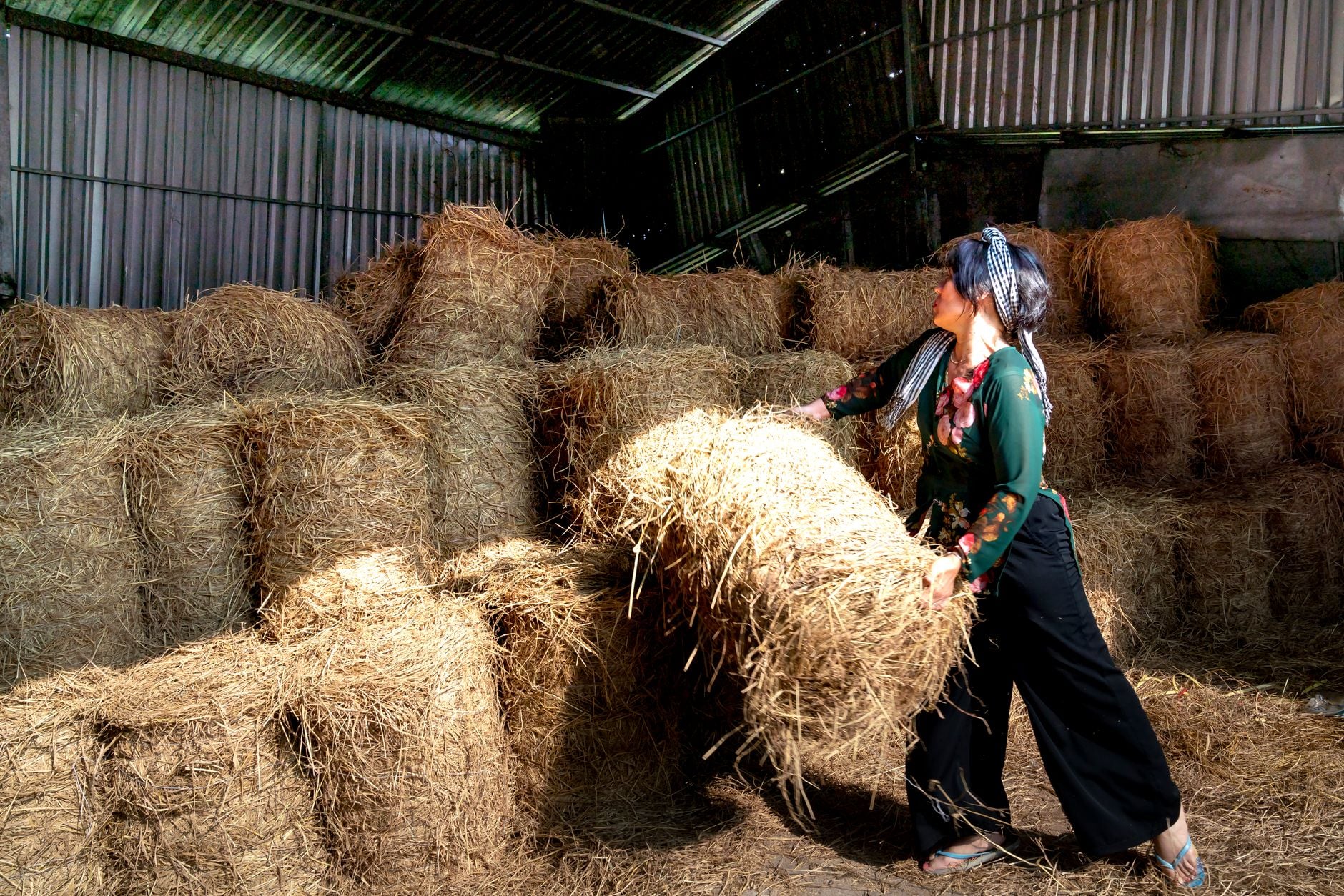
It didn’t matter. The plate came back washed every morning, sitting on the porch rail, and Caleb said Vern ate on the porch now while he watched the last of the bales go up.
By the second week, there were two plates. One for Vern and one for Caleb. Then one Saturday I just stayed, and there were three, and we ate on that screened porch with the moths battering the light and the cat begging under the table.
The Ford
That is where Vern told the story about the Ford.
Caleb had asked him, between bites, what his first truck was.
“Wasn’t a truck,” Vern said. “Fifty-one Ford. Two-door. Belonged to my dad. He taught me to drive it in the pasture when I was twelve, and the clutch on that thing was like stepping on a fence post.” He laughed, and it surprised all of us, I think. Even him.
“Did you get to keep it?”
“Dad sold it when I was fifteen.” Vern turned his fork over. “Sold it to a man in Le Mars for two hundred dollars. Didn’t ask me. I came home from the field and it was gone.” He was quiet a moment. “It was his car. He had every right. But I’d waxed that car every Sunday for three years. I’d learned every sound it made.”
Caleb didn’t say anything. He just sat there with his fork.
“I never told him how that felt,” Vern said. “We weren’t a family that told each other how things felt. And then he was gone, and I was fifty, and I still hadn’t said it. Took me a long time to forgive that man for two hundred dollars and a Ford. Longer than it should have.”
He looked at Caleb.
“Your dad’s going to have to live with that truck the rest of his life,” he said. “You don’t have to make it heavier for him. You just keep showing up here. That’s all you got to do.”
I had to get up and take the dishes in. I stood at Vern’s sink, at Marlys’s sink, with her rooster towels still hanging on the oven door two years later, and I cried for a minute where nobody could see.