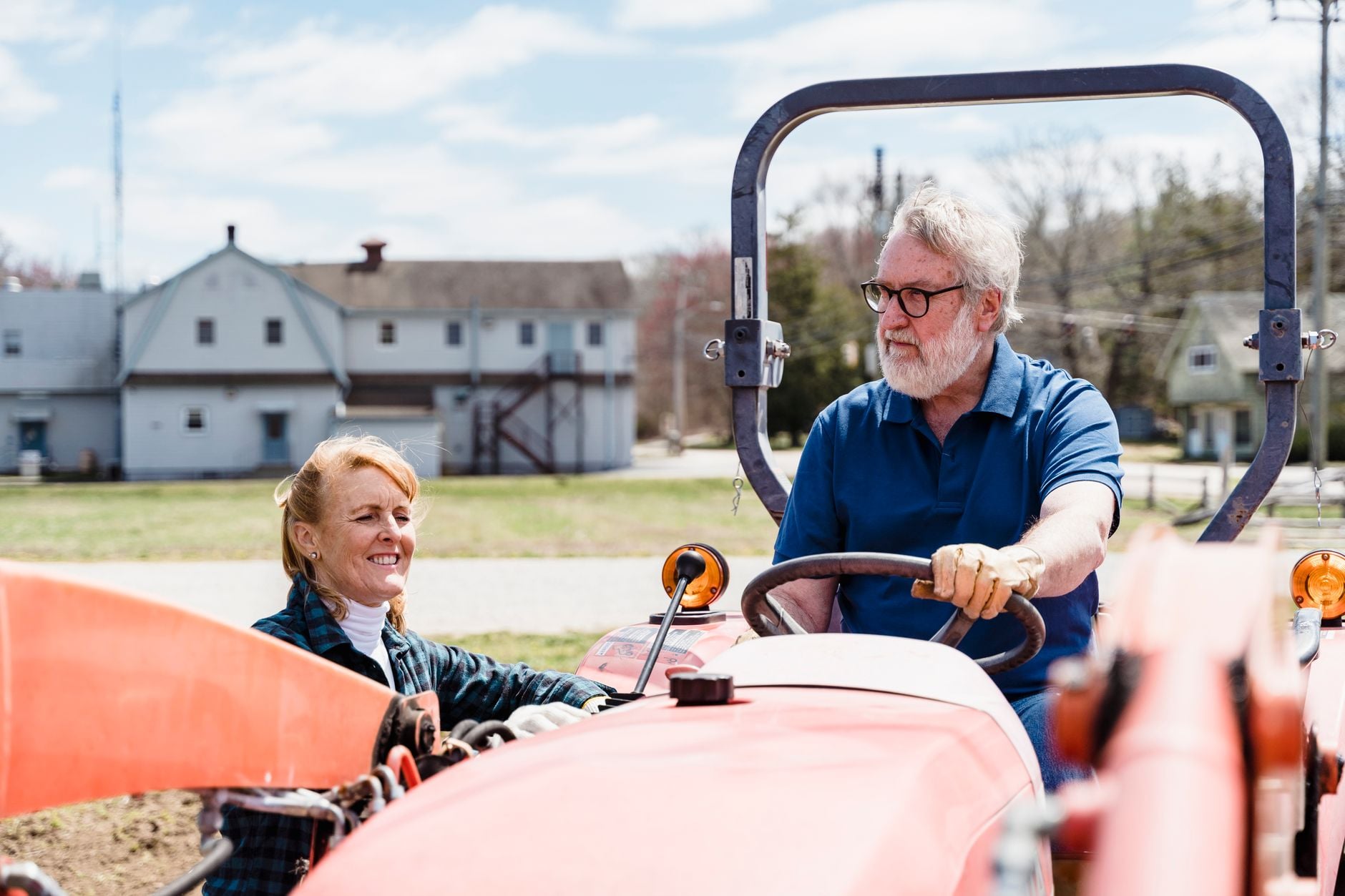
The Farmall That Plowed Us to Town
“No. He said he couldn’t drive past your place again without it.” Lyle turned his hat in his hands.
“And Rich put your road on the medical list. People on oxygen, on dialysis, babies on monitors. They get plowed first, before the blacktop. Somebody should have put Gene on it in September. That’s on the family. That’s on me.”
I did not know there was such a list. You only get on it if somebody calls the shop and asks, and nobody in our family had thought to, me included. I had been busy keeping my husband breathing.
Gene spoke then for the first time.
“Sit down, Lyle,” he said. “You make the room look small.”
Lyle sat at my kitchen table. I poured him coffee without asking how he took it, because I had known for forty years. Black, too hot to drink.
He held the cup in both hands and looked at it. “Trent wants to come out. He’s afraid to. He thinks you won’t let him in.”
“Tell him he can come Saturday,” I said. “Tell him the piano needs tuning, and I’ll make him hold the flashlight like he used to.”
Lyle laughed, or something close to it. Then his face crumpled, and he wiped his eyes on his coat sleeve, and Gene reached over from the recliner and put a hand on his brother’s knee.
I stood at the sink and looked out at the Farmall, still parked by the shed, with snow packed in the treads of her tires.
Trent did come Saturday. He came early and shoveled the back steps that did not need shoveling. Then he held the flashlight while I tuned the piano, the way he did when he was eight.
When I was done, he sat down on the bench and played “Jesus Loves Me” with one finger, very slowly, all the way through.
I put my hand on his shoulder and did not say anything at all.
He came out every Saturday the rest of that winter. He changed Gene’s tanks and checked the generator. In March he brought out a new one with an electric start and would not let us pay for it.
He said the county had docked him three days, and that was fair, and this was something else, and he would not discuss it.
He was not a bad boy. He was a boy who listened to his father at a café table and took a joke for an order. I do not think anybody who saw Gene’s face through that windshield would make that mistake twice.
I played the organ at First Lutheran the Sunday after the storm, the first Sunday the roads were all open. The church was full, the way it is after a hard week, when people need to see each other’s faces.
I do not know how the story got around. Josh Kruger, probably, or Donna, or the deputy. In a town that size, everybody hears everything by Tuesday.
When I came up the aisle to the organ that morning, people stood up. Not everybody, and not all at once. Here and there, a few at a time, the way people stand for a hymn they love.
love these stories. ❤️😎