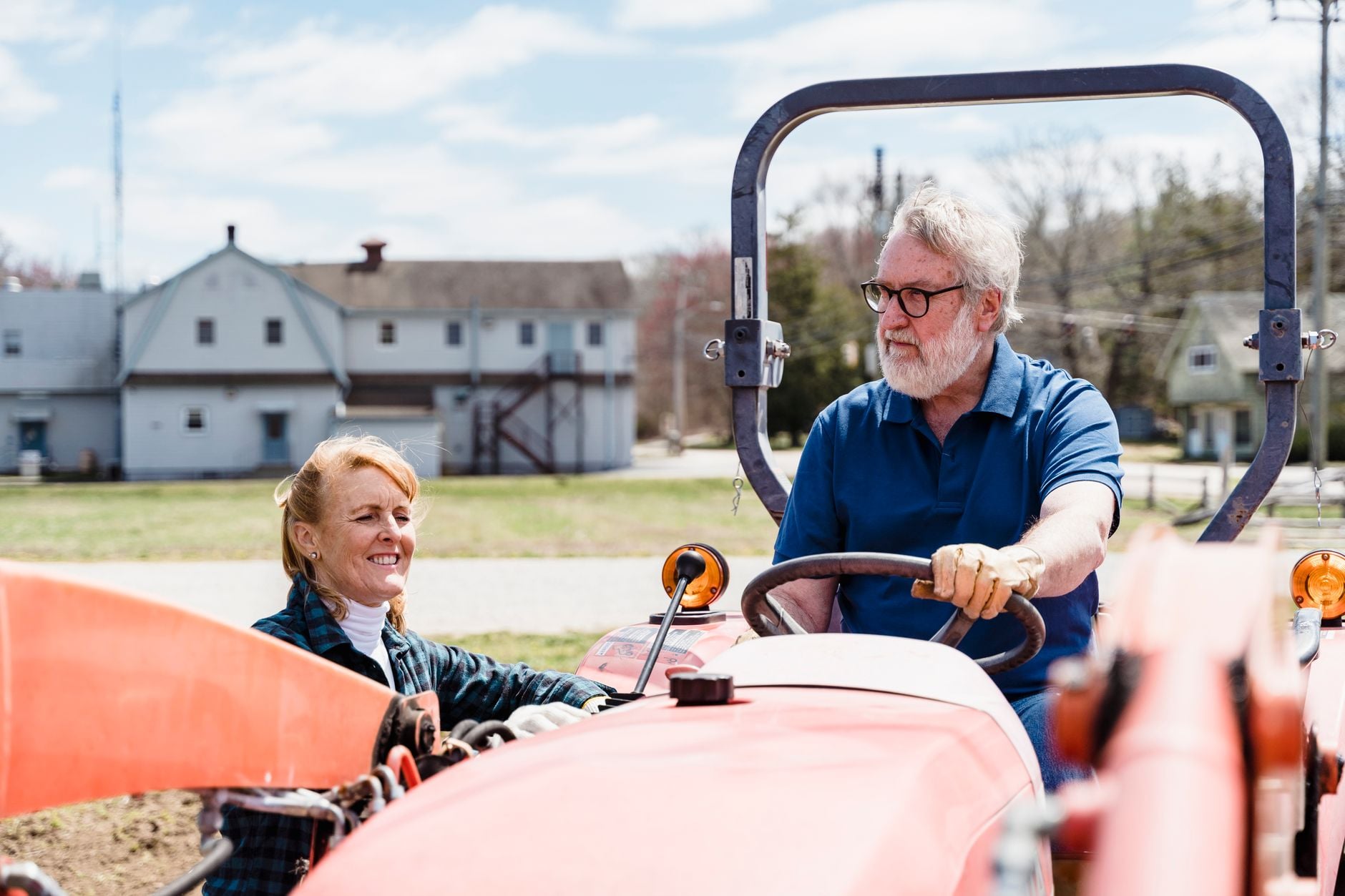
The Farmall That Plowed Us to Town
Josh Kruger stood in my kitchen doorway with snow melting off his bibs and would not look at me. He was twenty-two and had known me his whole life, and he kept turning his stocking cap around in his hands.
“Go on,” I said. “Whatever it is, you already rode two miles to say it.”
He looked at the floor. “I saw Trent at the county shop this morning. When I went in for gas. I asked him when he was getting out to your road.”
“And?”
“He said he’d get to you when you learn how to vote.”
The coffee pot ticked on the stove. In the front room, Gene’s oxygen machine hummed and sighed the way it did all day and all night, running off the little generator on the porch.
I set down the dish towel. I folded it in half first, and then in half again, because my hands needed something to do.
“Did he laugh when he said it?” I asked.
Josh thought about that. He was a fair boy, always had been. “Some of the guys laughed. Trent kind of did. I don’t think he was all the way kidding, Mrs. Ostrander.”
“No,” I said. “I don’t suppose he was.”
That was the evening of the second day. The snow had started on a Sunday in the middle of church, fine and dry, and by the time I played the closing hymn the windows of First Lutheran were white.
Northwest Iowa does not get mountains of snow so much as it gets wind. Ten inches of snow and forty miles an hour of wind will fill a road ditch to ditch and pack it hard enough to stand on.
That is what we had. Our gravel road ran four miles straight south into town, and by Monday night you could not have told where it was.
Josh shifted his weight. “Kyle and me can come back with the sled tomorrow if you need anything. Groceries or whatever.”
“We have groceries,” I said. “You tell your mother thank you for sending you.”
He nodded and went out into the dark. I heard the snowmobile whine off across the field toward the Kruger place, and then it was just the wind and the oxygen machine again.
Gene was in his recliner with the blanket over his knees and the clear tubing running up over his ears. He had heard every word. Our house is not big, and he had always had good ears.
“Well,” he said.
“Well,” I said.
“That boy,” Gene said, and then he stopped, because talking took air, and air was the thing he did not have to spare anymore.
I knew what he meant anyway. That boy we held at his baptism. That boy who sat on my organ bench at six years old and pushed the low pedals with his stocking feet while I practiced on Saturday mornings.
Trent was our nephew. His father, Lyle, was Gene’s older brother. And the reason Trent said what he said was a red and white sign nailed to our corn crib that said Dale Petersen for County Supervisor.
I should explain about the sign, because I am not a political woman and never have been.
love these stories. ❤️😎