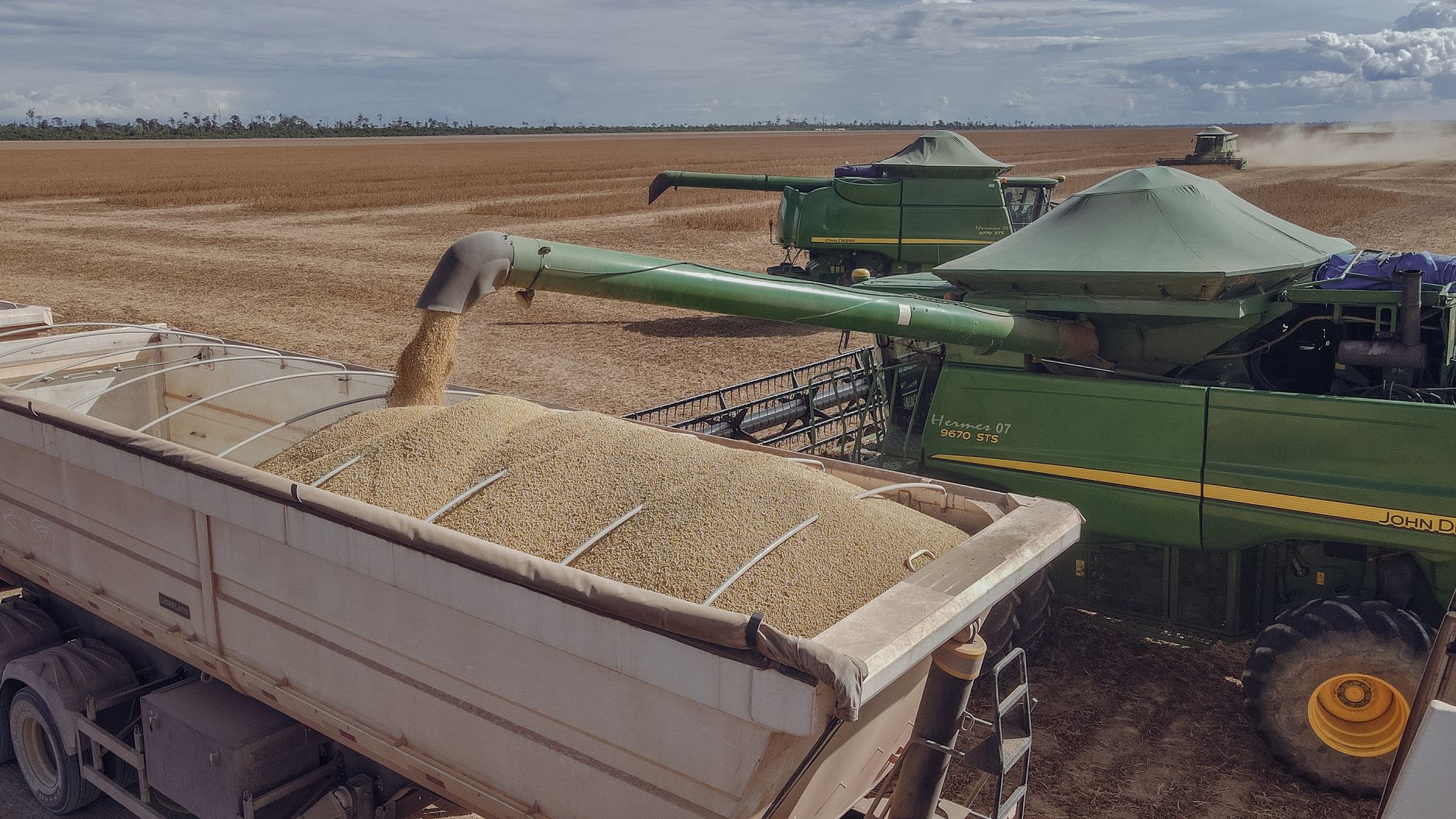
The Grain Truck Past My Father’s Field
Marv
I finished Marv’s beans the next Tuesday. Seven days of hauling, four or five loads a day. He paid me in cash in a white envelope every Friday, just like he said, and on the last day he paid me in the shed and shook my hand.
“Your dad called me,” he said, and I asked, “He did?”
“Thursday night, after the elevator. Asked if I’d treated you right.” Marv smiled a little. “I told him I’d treat you better than he did, because I could hardly do worse. He didn’t argue.”
“Marv,” I said, and he said, “Well, he didn’t.” He tucked his thumbs in the bib of his overalls. “Then he asked me if he could borrow Tyler for two afternoons to run his auger, so he could keep his combine moving. I said yes. Tyler said yes. Your dad paid the kid himself, twenty-two an hour, cash. Kid about fell over.”
I laughed for the first time in a week.
“He’s learning,” Marv said. “Slow. But he’s learning. We all are, at our age. You’d be surprised what a man can learn at sixty-six if somebody makes him watch his own combine sit still.”
Sunday
Sunday dinner was pot roast again.
Cody and Jenna were there with the baby. My kids were on the porch swing. Aaron sat beside me, and under the table he put his hand on my knee and kept it there.
Nobody said anything about the truck through the whole meal. Dad talked about yields. Cody talked about the baby’s first tooth. Mom passed the rolls without banging them.
After pie, Mom stood up, went to the rolltop desk in the corner of the dining room where she has kept the farm books since 1981, and came back with the big green ledger and a checkbook.
She sat down across from Dad and opened the ledger. “Mom,” I said.
“Hush.” She ran her finger down a column. “I’ve kept every truck ticket from every load on this farm since we got married. Every one, Kelsey. With the driver’s initials. I know exactly how many loads you hauled, every fall, for fourteen years.”
Dad looked at the ledger. He looked at Mom. He knew better than to say anything.
“I figured it by the loads,” Mom said. “Then I figured the hours from the loads, and I figured low. Three thousand one hundred and forty hours. At ten dollars an hour, which is less than you’re worth and less than your brother is getting, but it’s what this farm can pay without selling a quarter.”
She wrote the check. Thirty-one thousand four hundred dollars, from the farm operating account. Her handwriting was very neat. She tore it out and turned it around and pushed it across the table to Dad, with the pen on top.
“Sign it, Norm,” she said.
Dad looked at the check for a long time. The kitchen was very quiet. Cody was looking at his plate. Jenna had her hand over her mouth.
Then Dad picked up the pen and signed it. Norman J. Riedel, the same signature that has been on every seed contract and every grain check in our family for forty-five years.
He did not slide it to me. He stood up, walked around the table, and handed it to me, and then he put his hand on top of my head, the way he used to when I was little and had done something right at the county fair.
“That’s back pay,” he said. “Not a gift. You earned that.”
I couldn’t speak. Emma had come in from the porch and was standing in the doorway, watching all of it with her serious eyes.
Cody cleared his throat. “Kel,” he said. “I didn’t know. I swear I didn’t know you never got anything. I thought Dad was paying you all along.”
“I know you didn’t,” I said. And I believed him. Cody was seventeen when I started driving, and busy with football and girls. He never knew what a farm cost. Nobody had ever shown him the ledger.
“I’m still taking the twenty-two,” he said, and grinned, and Jenna smacked his arm, and for the first time that whole month, the kitchen laughed.