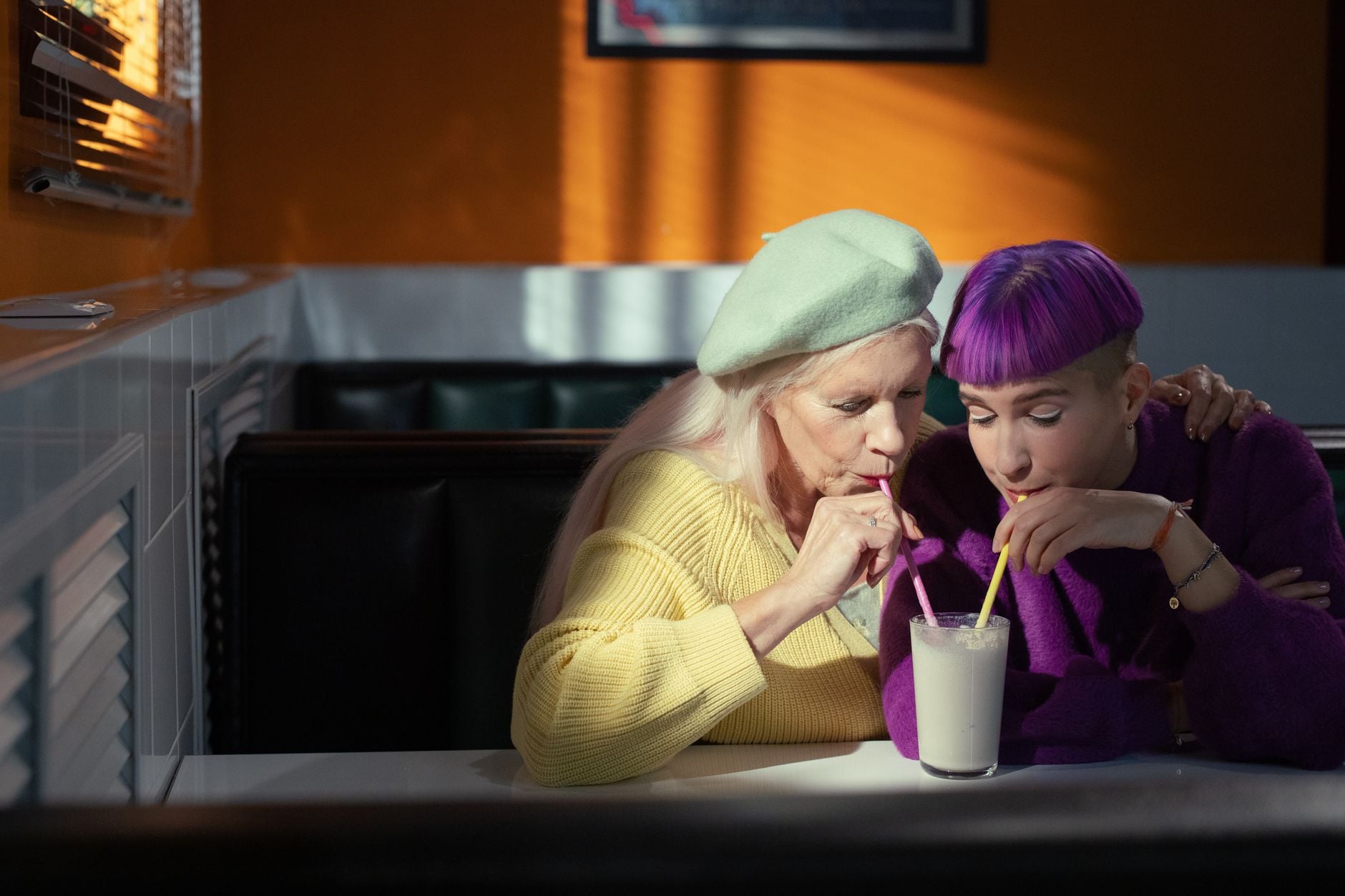
The Diner That Kept Her Husband’s Seat Warm
“Carl showed me where he kept that wrench in nineteen eighty three,” Harold said, wiping his hands on a rag from his own truck. “Told me if anything ever happened to him first, somebody ought to know where the tools lived in this house. Didn’t figure it’d be me explaining it to you thirty some years later, but there you are.”
“He planned for this,” I said. It was not a question. It came out of me like a held breath finally let go.
“Carl planned for most things,” Harold said. “Man drove grain trucks for half this county for forty years. You don’t do that without learning that the worst day always comes on a Thursday when nobody expects it, and the only thing that gets you through it is who already knows where the wrench is.”
He nodded toward the old International parked in our machine shed, the one Carl had kept running since nineteen ninety four on nothing but stubbornness, baling wire, and whatever part Owen Pruitt could order up from Grand Island. “Still starts first try?”
“Every time,” I said.
“Course it does,” Harold said. “Carl never let a thing sit broken longer than a day in his life. Guess he figured people were the same as trucks that way. You don’t let somebody sit broken down on the shoulder if you’ve got a chain in your own bed and a hitch that fits.”
I thought about that line for three days before I understood he was not talking about the International at all.
I did not understand, not fully, what he meant by that, not that night. I understood it three days later, on a Tuesday morning, when I finally asked Vera Lindqvist the question I had been carrying folded up inside my pocketbook along with Emma’s drawing for almost a month.
“Vera,” I said, over the counter, with the breakfast rush thinned out to just the two of us and Katie refilling the ketchups in the back booth. “How did everybody know? That first morning. Before anybody could have known a single thing. How did Katie know to bring two cups and not ask me why?”
Vera Lindqvist is seventy four years old and has run that diner’s register since her father handed it to her in nineteen eighty six, and she looked at me for a long moment before she reached under the counter and pulled out an old spiral notebook, soft at the corners, rubber band around it, and set it in front of me like she had been waiting a month for me to ask.
“This has been under that register since my daddy’s time,” she said. “Folks around here call it nothing out loud, but I call it the order book. When somebody in this town loses somebody, whoever’s behind this counter that week writes the date and the name in here, and it goes around. Quiet. Nobody votes on it, nobody announces it at church, it just goes around who’s taking which morning, which night, which casserole, same as it’s gone around this county for going on sixty years.”