The Diner That Kept Her Husband’s Seat Warm
The morning after we buried Carl, I woke up at twenty minutes to six because that is when I have woken up for fifty six years, and I did not know what else to do with my body, so I did what it already knew how to do. I got up. I made the bed on both sides, which is a foolish thing to do when only one side was slept in, and I got dressed in the blue cardigan Carl always said made my eyes look like something worth looking at, and I walked the six blocks into town to the Hitching Post, the way I had walked it, or ridden it, or driven it, every single morning of our marriage that I was not laid up sick or out of the state.
Keller, Nebraska does not have much on its main street anymore. A hardware store that is really just Owen Pruitt selling nails and fence wire out of what used to be the Rexall. A bank with one teller window open on weekdays. The feed store. And the Hitching Post, which has had the same name and the same booths since before I was born, because Vera Lindqvist’s father built it that way and nobody since has seen a reason to change it.
I walked in at ten past six, same as every morning, and the bell over the door did the same small complaint it always does, and I did not look at anybody, because looking at anybody meant somebody might ask me how I was holding up, and I did not have an answer for that yet that would not come apart in my mouth.
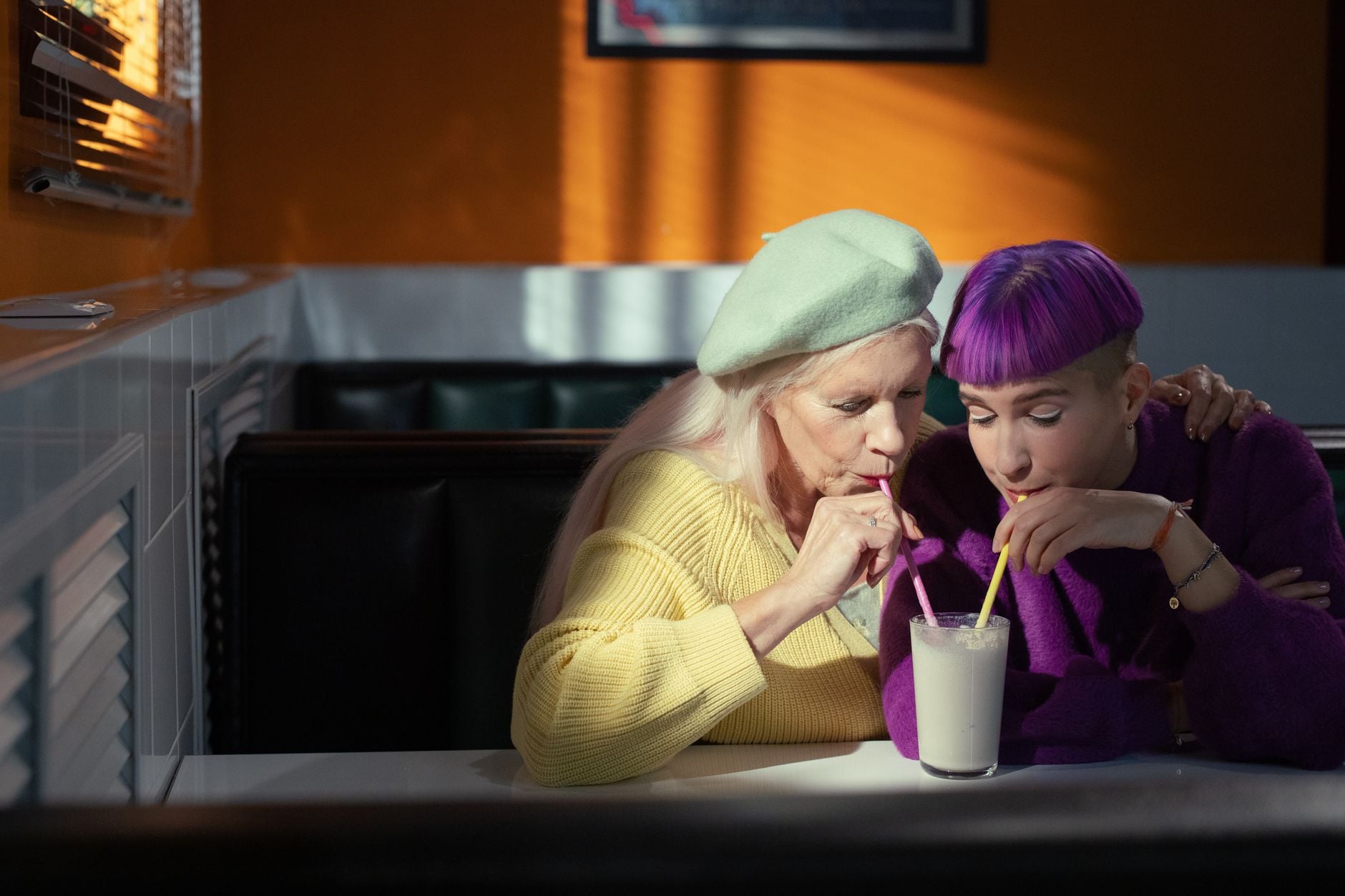
I went straight to the fourth booth from the door, the window booth, the one Carl and I had sat in for fifty six years, through two different sets of vinyl on the seats and one entire flood that put water into the floorboards, and I sat down on my side like I always did, and I looked at the empty place across from me for one long second, and then I looked away from it fast, the way you look away from a light that is too bright.
The young waitress came over with her pad already out. Katie. She had been at the Hitching Post about a year, since she moved back from Lincoln to help her grandmother Vera after Vera’s hip, and in that year she had learned exactly two orders from watching us eat breakfast three hundred and some odd mornings. Two coffees. One black, one with cream and no sugar, because Carl always said sugar in coffee was for people who had not earned the bitterness yet.
“Morning, Ruthie,” she said.