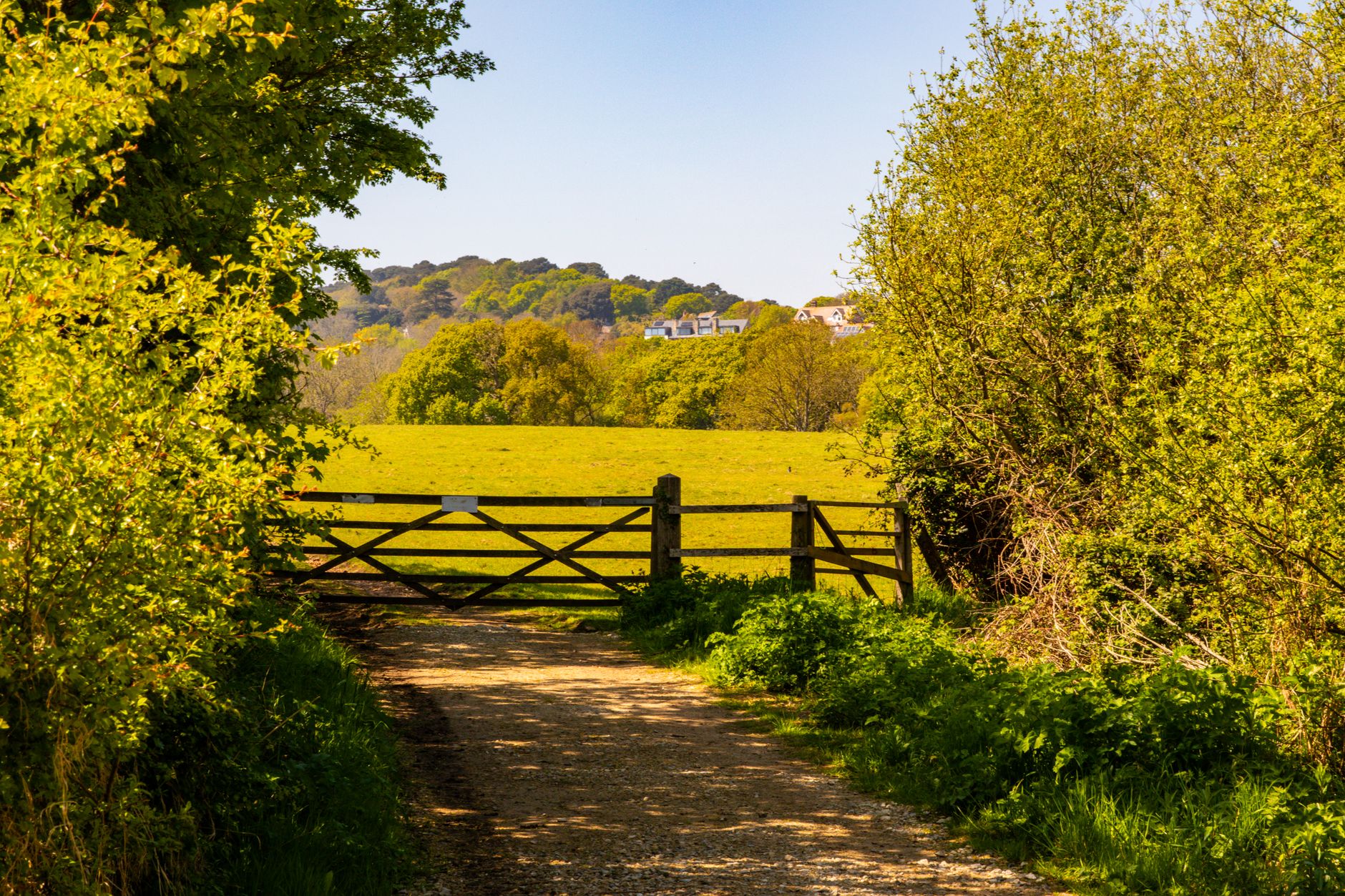
The Coffee Can at the Farm Gate
“Bob,” the driver said, leaning out. It was one of the Loup City cousins. “Carla. What’s going on?”
I handed him his fifty and said my sentence.
Bob said, “Glad you came, Ray. Go on up.”
That was all he said to any of them, all morning. Glad you came. Go on up. He shook every hand that came out of a window.
Merle came through about eleven in his little green pickup, driving fifteen miles an hour with both hands on the wheel. He had the shoebox of name tags on the seat beside him.
He stopped on the cattle guard, and I held up one twenty-dollar bill.
“I told you Saturday,” I said.
He took it. He held it a minute, looking at it. Then he looked past me at Bob.
“Your mother never charged a soul,” he said. “Not in the lean years and not in the good ones. She used to say the only ticket was your last name.”
“I know it, Merle,” Bob said.
“I know you know it.” Merle folded the twenty into his shirt pocket with great care. “I’m only saying it out loud.”
He drove on up.
By a quarter past eleven there were three lines left unchecked on the list. There were five bundles and one loose five in the can.
Then a white Buick slowed at our mailbox.
I knew the car. So did Bob. I felt him square up a little next to me, the way he does before he walks into a pen with a bull.
The blinker came on. Tammy turned in off the gravel and rolled across the cattle guard. Behind her came Jeff in his pickup, pulling the flatbed trailer with the church tables stacked and strapped.
She stopped beside me.
Her window came down. Cold air from the air conditioner poured out over my arm.
She looked at my face. She looked at the red can. She looked at her brother standing there bareheaded in the sun. I watched her understand it, all of it, in about the time it takes to draw a breath.
“Carla,” she said. “What are you doing?”
I had figured on being angry. What I felt was tired, and sorry, and sixty years old.
“There was a mistake,” I said, the same as I had said it to everybody else. “Nobody pays to come home.”
Her mouth opened and shut.
“You had no right,” she said, very low. “You don’t know what it costs to do what I do. You have no idea.”
“Tammy,” Bob said.
That was all. Just her name. But he said it the way their father used to say it. I had not heard that voice come out of him before.
She put her window up. She drove up the lane with her eyes straight ahead.
She had to pass every parked car to get to the yard. Every one of those people was standing by a tailgate or a lawn chair, and every one of them had a twenty and a five in a pocket or a purse.
Jeff pulled up next. He had his window down already.
“What was all that?” He looked honestly puzzled. Jeff is a decent, slow-spoken man who has sold seed corn and fertilizer to half this county. “Bob, why is everybody stopping at the gate?”
Bob glanced at me. I gave him the smallest nod.
He stepped up to the pickup and put his hand on the door, and he told his brother-in-law in about four sentences. He kept his voice down. I looked off at the hayfield and gave them their privacy.