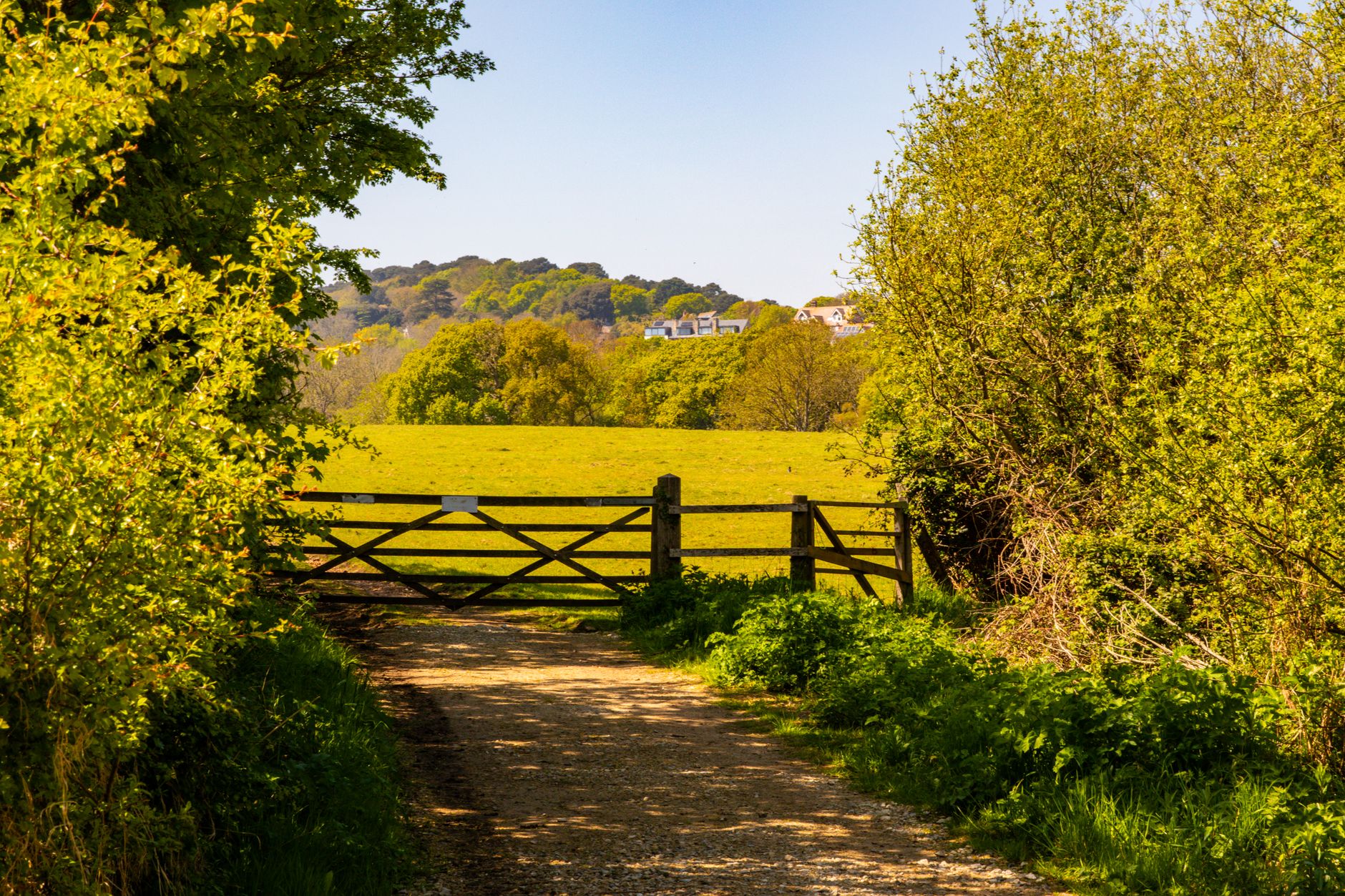
The Coffee Can at the Farm Gate
He studied me a while. Merle was drafted in 1961 and spent two years driving a truck in Germany, and then he came home and hung drywall for forty years, and he has a way of looking at a person like he is checking whether a wall is plumb.
“Did I do wrong, showing you?” he asked.
“No, sir.”
“She’s Harold’s girl. I don’t like to carry tales on Harold’s girl.”
Harold was his brother. Bob’s father. He has been gone since 2009.
I came around the table and put my hand on his shoulder, and it was all bone under that shirt.
“You didn’t carry a tale,” I said. “You came to pay a debt you didn’t owe. That is the most honest thing anybody has done in this kitchen all year.”
His eyes filled up. He turned his face to the window so I would not have to see it, and I went back to my poppy seed so he would not have to know I had.
Before he left I folded the five ones and tucked them down into his shirt pocket behind the carpenter’s pencil. He let me.
“May I keep this list till Saturday?” I asked.
“What do you aim to do with it?”
“I don’t know yet.”
That was the truth. I did not know yet.
I told Bob after supper.
Tammy is his sister, his only one. He taught her to drive on the gravel road that runs past our mailbox. There is no good way to tell a man a thing like that about his sister.
So I laid the yellow letter and the two stapled pages on the porch step beside him and let him read.
He read the letter. He read the list. He turned the list over to see if there was anything on the back, and there wasn’t, and he turned it face up again.
The cicadas were going in the cottonwoods. Down in the lot one of the calves bawled for its mother.
“Eighty-six,” he said.
“Yes.”
“At twenty-five.”
“Two thousand one hundred and fifty. She’s got twenty-one forty-five of it. Merle still owed five.”
Something moved in Bob’s jaw at that.
“Merle,” he said.
“He came out here this afternoon to bring it to me in one-dollar bills. He apologized for being late.”
Bob set the papers down on the step very carefully and put his cap on top of them so they would not blow. Then he sat with his forearms on his knees and looked out at the hayfield for a long time. We had the third cutting baled and stacked, and the stubble was already greening up.
I did not push him. Thirty-one years will teach you when a man is thinking and when he is hiding, and Bob was thinking.
“Jeff’s hours got cut at the co-op in April,” he said finally. “I knew that.”
“I knew it too.”
“She never said they were hurting.”
“She wouldn’t.”
“No.” He rubbed the back of his neck. “She wouldn’t.”
He was quiet again.
“I’ll call her,” he said. “Right now. I’ll go in there and call her and tell her she’s giving it back.”
I had thought about that, too. I had stood at the stove with my hand an inch from the telephone on the wall half the afternoon.
“If you call her tonight,” I said, “it turns into you and her. Then it turns into her and me. She’ll have until Saturday to work up a story, and she’ll cry, and Jeff will get dragged into it, and at the end of all that there will still be eighty-six people who think we charged them to come home.”