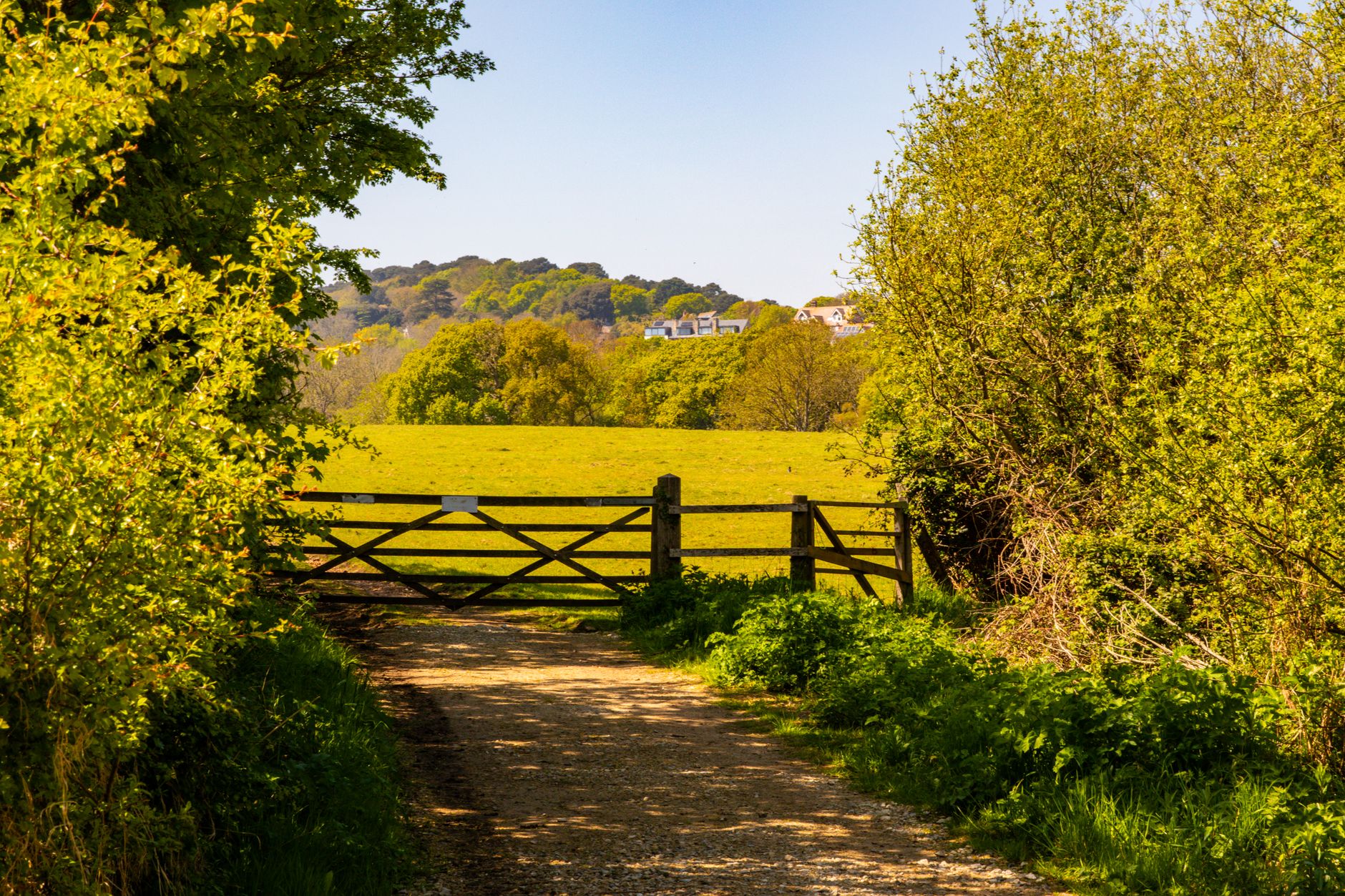
The Coffee Can at the Farm Gate
“There was a mistake,” I said. “Nobody pays to come home.”
The third car tried to give it back to me.
They kept coming. The dust from the county road hung in the air over the hayfield and never did settle. Every one of them rumbled across the cattle guard and stopped, and every time I found their line on the list and handed back exactly what Tammy had written down as paid.
One old aunt said, “Well, praise the Lord, I can put gas in the car to get home,” and then looked mortified that she had said it.
I checked each family off Merle’s list as they went.
Stacy was the ninth car.
She drives a tan minivan with a sliding door that sticks. I could see all four kids in the back, the oldest boy with his elbow out the window just like a grown man.
She stopped and rolled the window down, and she already had her explanation ready. I could see it on her face.
“Carla, I know we were late getting ours in. I had to wait on my check. I sent it the tenth, I hope that was all right, I told Tammy…”
I had five of the bundles in my hand before she finished.
“There was a mistake,” I said. “Nobody pays to come home.”
I laid them in her palm. One hundred twenty-five dollars.
She stared at it.
Stacy is thirty-four. She has been by herself with those children for three years, and she is one of the hardest-working people I know, and I watched her whole chin start to shake.
“We almost didn’t come,” she said. It was barely a whisper. “I told the kids we might not could this year. I had the oldest two picked to stay home with Mom so it’d only be three of us.”
“Well,” I said. My own voice was not too steady. “I’m real glad you didn’t do that.”
She closed her fingers over the money and held it in her lap and could not look up.
From the back seat the littlest one leaned forward against her car seat straps. She is a serious little thing with a cowlick.
“Mama, are we in trouble?”
I bent down so I could see her through the window.
“No, honey,” I said. “You’re home. Go find Uncle Bob and tell him I said you get the first kolache.”
She thought it over and nodded.
Stacy reached out the window and caught my wrist and held on to it for a second. She did not say anything else. She did not need to.
I watched that van all the way up the lane.
The tenth car was a couple from Grand Island who took their fifty dollars and thanked me kindly and asked no questions.
When they pulled away I heard boots on the gravel behind me.
I did not turn around. I knew the walk.
Bob came up on my left side. He smelled like charcoal and hog fat, and he had sweated clean through his shirt. He had left the roaster with Mark, which he has never done in twenty years.
He did not say a word to me.
He took his cap off, held it down against his leg, and stood there beside me at his own gate, facing the road.
The next pickup that turned in found both of us.
It makes a difference. One woman at a gate with a coffee can is a wife with a bee in her bonnet. A man beside her with his cap in his hand is a family making something right.