The Coffee Can at the Farm Gate
“I expect that’s so,” I said.
“You just cook. I’ve handled everything else.”
“All right, Tammy.”
She hung up, and I finished the pie.
I could have said it right then. But when you have decided to do a thing quietly, the hardest part is all the chances you get to do it loud.
Bob and Mark lit the charcoal at three Saturday morning.
Bob built that roaster himself twenty years ago out of an old fuel oil tank. He cut it lengthwise, hinged the lid, and welded in expanded steel for the racks, and it will hold two hogs side by side with room for a pan of coals between. He has never once served one dry.
I heard the lid clang from the bedroom and got up anyway. There were sixty ears of sweet corn to shuck and four gallons of tea to make.
By nine the sun was already hot on the back of my neck. I had on my sleeveless plaid blouse and my good jeans, and I had run a pick through my hair and called it done.
I took the red can off the refrigerator.
Bob was at the roaster with the long fork. He saw the can. He looked at me, and he looked down the lane, and he nodded once and went back to his hogs.
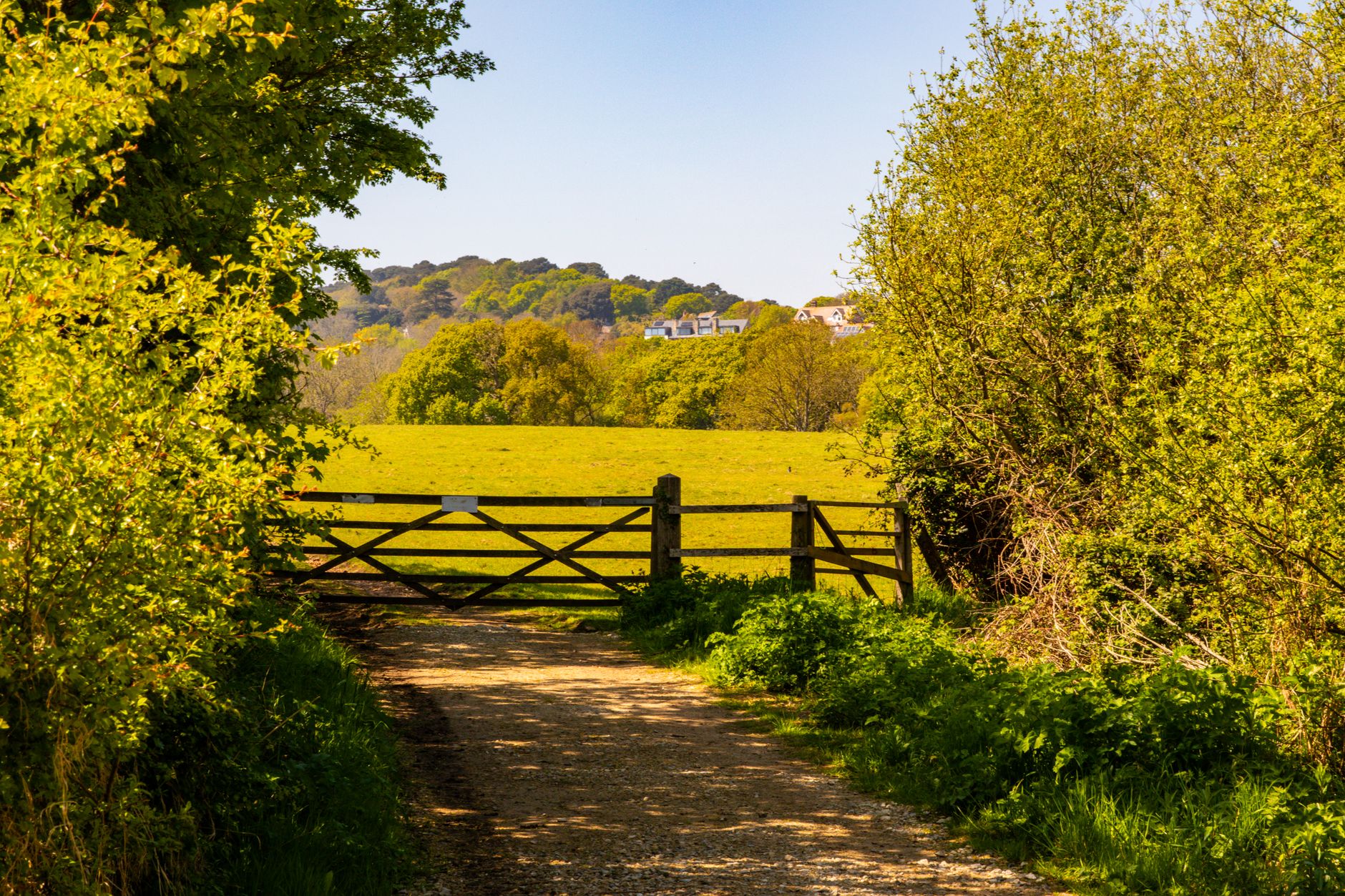
Our lane is a quarter mile long. It runs down between the hayfield and the windbreak to the county gravel, and at the bottom there is a cattle guard with a pipe gate that we only close when we have pairs in the front pasture.
I swung the gate wide and hooked it back with the chain.
Then I stood at the gatepost with the can in both hands and Merle’s list folded in my hip pocket, and I waited.
The first one in was a blue pickup. Bob’s cousin Gene from Burwell, with his wife and his mother-in-law in the middle. He hit the cattle guard slowly and stopped when he saw me, because nobody has ever stood at that gate before.
He rolled his window down.
“Morning, Carla. Something wrong with the lane?”
“No. Morning.” I found his line on Tammy’s list. Three people, 75, and a check mark. I took out three of my little folded bundles and held them through the window.
He did not take them. He looked at them.
“What’s this?”
“There was a mistake,” I said. “Nobody pays to come home.”
He looked at the money. He looked at his wife. She put her hand over her mouth.
“We figured,” he started, and stopped. “We figured things must be tight out here.”
“Things are fine out here.”
I smiled at him, and I meant it. I laid the bills on his dash because he still had not moved.
“Park anywhere up by the machine shed,” I said. “There’s coffee on.”
That was the first car.
I had settled on that one sentence lying awake listening to the roaster lid. Every longer one I tried had Tammy’s name in it somewhere, and I did not want to stand at my own gate and say my sister-in-law’s name eighty-six times in front of her people. So I boiled it down until there was nothing left but what was true.
The second car was the Kearney cousins. Eight heads, two hundred dollars. The grandmother in the front seat started to cry before I had finished counting it out.
“I told Don,” she said. “I told him, that is not Carla. I said that right in our kitchen.”