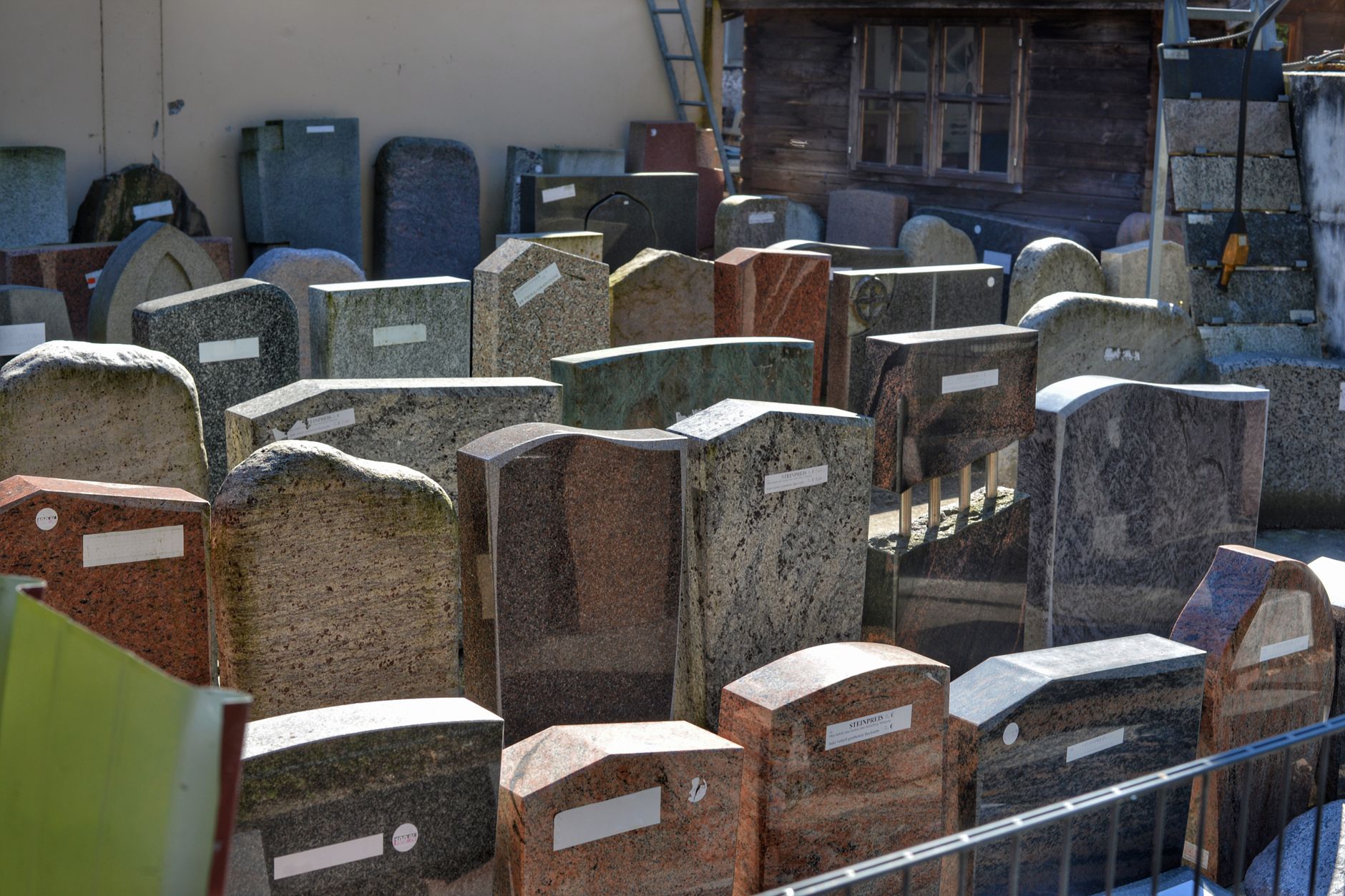
One More Line on Elmer’s Stone
“I’m going to tell you one more thing, Debra Jean, and then I’m through,” she said. “Those peonies you’ve found on your mother’s grave every Memorial Day since you were sixteen years old. Who did you think brought them?”
“Dad,” Debra said, through her fingers.
“Your dad carried the grass shears. Nadine cut those flowers off your mother’s own bush and carried them out here in a fruit jar thirty-one years running. I know because I keep this cemetery and I’ve watched her do it. The year your father was laid up with his hip, she came by herself. She never said a word to you because she isn’t the kind that does. I am.”
“Ardis,” I said. “That’s enough.”
“It is enough,” Ardis said. “I’ve said it.” And she went back to the cedars.
Debra turned and looked at me. Her face had come all apart. She was forty-six years old, with gray starting at her temples, and I swear to you I could see the nine-year-old in her as plain as I ever saw anything.
“Why would you do that?” she said. “After what I did. I told you it was family. I said it to your face, and I knew what I was saying.”
“I know you did.”
“Then why?”
“Because she was your mother,” I said. “And it ought to be written down someplace that will last.”
She made a sound I had heard once before, behind me, in this same grass, in 1995. And then she walked the six steps between us and put her arms around me. Not quick, like you hug an aunt. She held on, and she cried into my scarf like a child, and I stood there in the sun and held her father’s girl and patted her back and said, “There now. There now.”
The cousins studied their boots. Mr. Blaha’s grandson found something to do at the truck.
After a while she let go and wiped her face with both hands. She picked her purse up out of the grass. And then she did a thing I had not asked for and had not let myself hope for.
She walked around behind the new stone, to her father’s side, and on past it. She stopped on the empty ground there, the fourth space, and stood on it with her feet together, the way you stand on a spot to hold it for someone.
“This one,” she said. “This is yours. Right here beside him.”
“Debra, you don’t have to settle that today.”
“I’m settling it today.” Her voice was thick, but it was steady. “Mom on one side and you on the other. That’s how he lived. That’s how it ought to look.” She turned. “Mr. Blaha, can you cut one more to match? Same gray. Same wheat.”
“I can.”
“Then I’m ordering it. Me. You’ve got four hundred dollars of mine in your desk, so call that the deposit, and I’ll pay every cent of the rest myself. She is not to pay for it.” She looked at me. “You are not to pay for it, Nadine. Do you hear me?”
“I hear you.”
“And I owe you twenty-six hundred and forty dollars.”
“You do not. He was my husband. That one’s mine and I’ll not take a nickel for it.”
She started to argue, and saw my face, and stopped. She had her father’s jaw, but I had thirty-one years of practice outlasting it.
“What do you want on it?” Mr. Blaha asked her. He had his pencil out. “Under her name. You’ll want a line, I’d think, so they match.”
Debra looked at the new stone, at her mother’s side, for a long moment.