The Invitations in the Mop Bucket
“Did you,” she said.
“Nana,” Ian said from the icebox. “Mama says it was an accident.”
“I’m sure she does.”
“She feels terrible.”
“I’m sure she does that too.” Nana Bea turned her cup a quarter turn on its saucer. “Can you get them printed again?”
“No ma’am,” I said. “There’s no money for it.”
“I have a little put by.”
“No ma’am. We’re not taking your propane money.”
She nodded slowly. She looked out the window at the pecan tree for what felt like a full minute.
Then she said, “Kelsey, go to the dollar store and get me index cards. The lined kind. Two packs.”
“Index cards?”
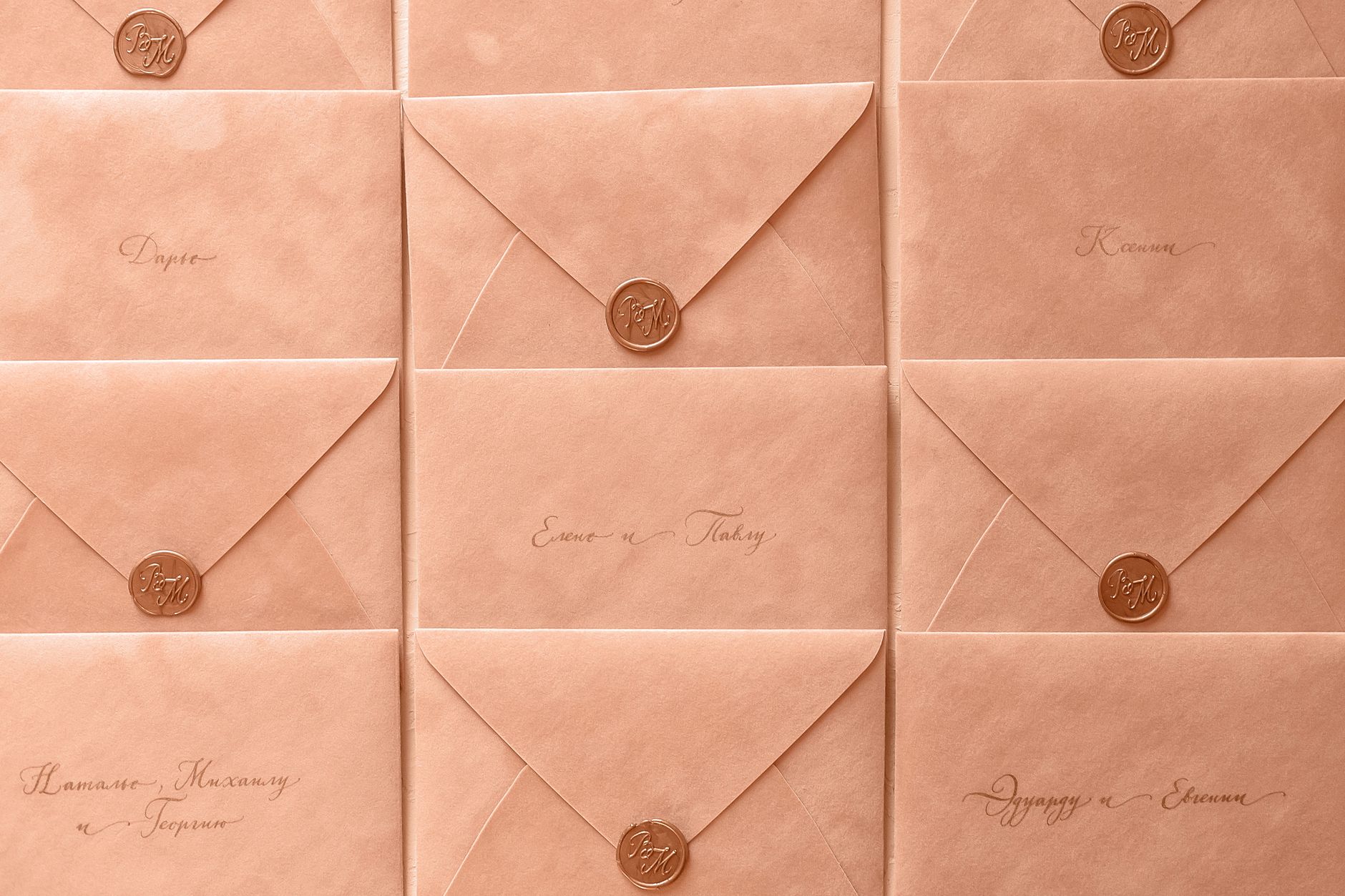
“I can’t do envelopes again. My hand won’t stand it. But I can sign my name a hundred and thirty-nine times.” She uncapped the pen and looked at the nib. “You two will write them. I’ll sign them. And then we will carry them to every house on that list and put them in people’s hands, because I’m finished trusting boxes.”
“Nana,” Ian said. “That’s the whole county. That’s Mason and Burnet and clear out to San Saba.”
“Then you’ll want to gas up the truck.”
He shifted his weight.
“I don’t know that we need to go door to door telling folks our family’s business.”
“I’m not going to tell anybody anything,” Nana Bea said. “I’m going to hand them a card. And if somebody asks me a question, Ian, I’m going to answer it. I never told a child a lie in thirty-one years and I’m too old to start on grown people.”
Two packs of index cards came to three dollars and seventy-eight cents. I paid in quarters from the jar on my dresser.
We wrote them that same afternoon at her table. We kept it short because she said a thing worth saying fits on one card.
Kelsey and Ian are getting married. Saturday, October 24, two o’clock. Cedar Fork Baptist Church. Supper after, under the oaks. Please come.
I wrote seventy. Ian wrote sixty-nine. His handwriting is terrible, all slanted capitals from filling out work orders, and Nana Bea made him redo four of them.
Then she signed every one at the bottom. Bea. Three letters, a hundred and thirty-nine times, with her left hand holding her right wrist steady.
It took her until after dark. She would not let us stop her.
When she was done she squared the stack on the oilcloth and put a rubber band around it.
“Next Saturday,” she said. “Eight o’clock. I’ll be on the porch.”
On the drive home Ian didn’t say much. At the low water crossing he slowed down and said, “I might get called out next Saturday. There’s weather coming.”
There wasn’t weather coming. It hadn’t rained since June.
“All right,” I said.
“If I do, you can take your car. Nana can’t climb up in the truck anyhow.”
“All right.”
I looked out my window at the prickly pear going by in the headlights and I thought, well. Then it’ll be her and me.
The next Saturday I pulled up to Nana Bea’s at ten till eight, and Ian’s truck was already in the yard.
He had washed it. He had put the little two-step stool from our kitchen on the ground by the passenger door. He was lifting her walker into the bed and tying it down with a ratchet strap like it was something that might blow away.
He didn’t look at me when I walked up.