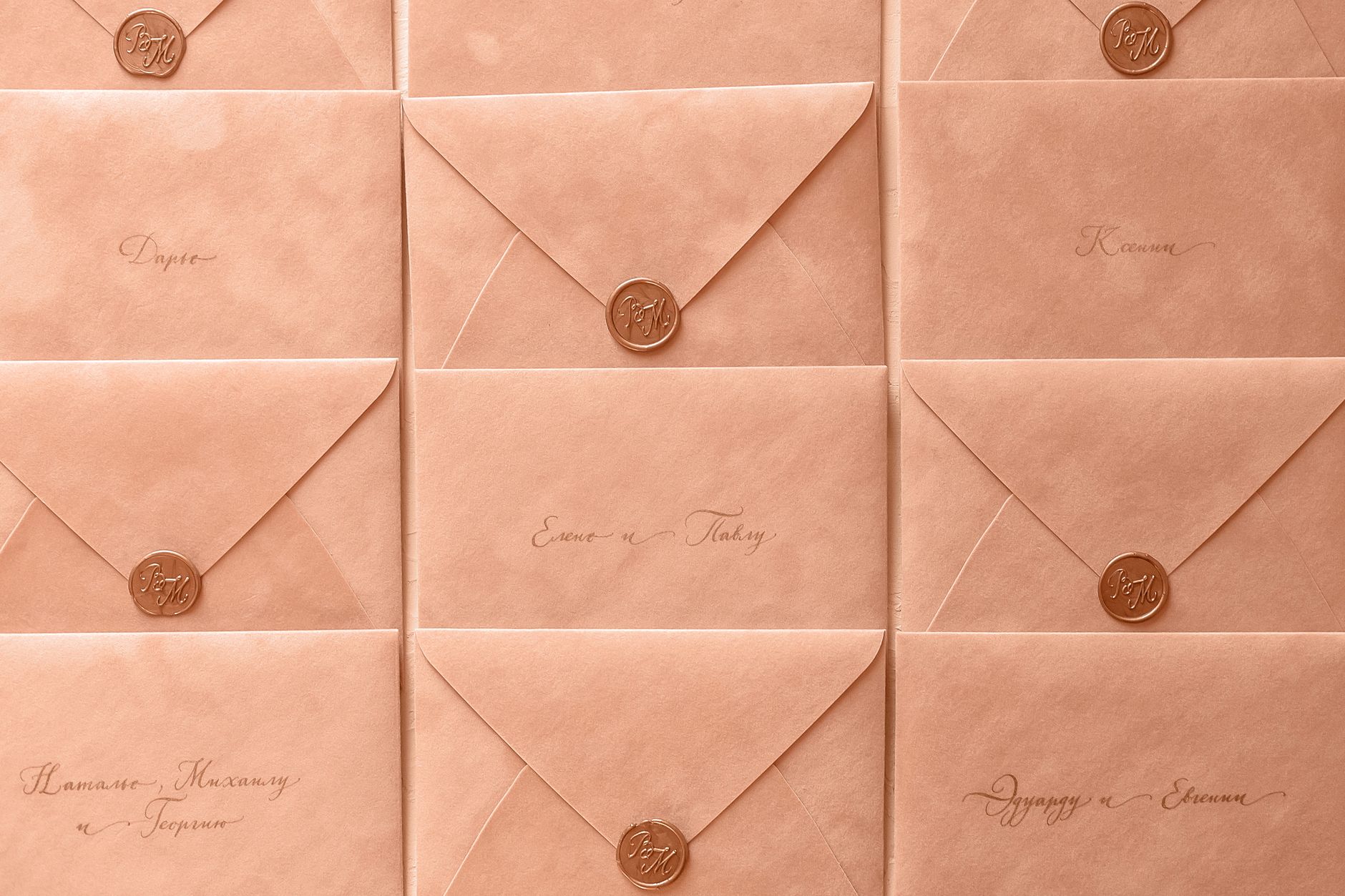
The Invitations in the Mop Bucket
“I’ll go talk to her,” he said.
He went that night. He was gone an hour and a half. When he came back he sat in his truck in the driveway for a while before he came in, and I knew before he opened his mouth.
“She cried,” he said.
“I expect she did.”
“She said you looked at her like she was a criminal. She said you wouldn’t even let her help clean up.” He sat down on the edge of the bed with his cap in his hands. “She said she got something strange in the mail today and she didn’t know what to make of it.”
“That’s her invitation.”
He looked up.
“I dried one out,” I said. “I mailed it to her. She’s invited to our wedding, Ian. I’d never leave her out.”
I watched that land. I watched him turn it over, looking for the meanness in it, and not be able to find any he could point to.
“Kelsey.”
“I didn’t say one word to her. I thanked her and I left. I’m not going to say one word about her to anybody. But I’m not going to lie for her either.”
“Nobody’s asking you to lie.”
“What do we tell a hundred and thirty-nine families, then?”
He turned the cap around in his hands.
“We could text everybody,” he said. “Put it on the computer. Say there was a delay with the printer.”
“There wasn’t a delay with the printer.”
“Say there was a mix-up, then. Folks don’t need the details.”
“Your grandmother needs the details.”
He closed his eyes.
“She’s going to ask why nobody’s called her about her pretty handwriting,” I said. “She’s been waiting on that all week. You want to tell her the printer was late?”
He didn’t say anything else that night.
Nana Bea lives a quarter mile from Joanne, across a cattle guard, in the house she came to as a bride in 1962. It has a screen porch and a pecan tree older than she is and a kitchen table with a burn mark from a pressure cooker in the Nixon years.
We went Saturday morning, both of us. I had made Ian promise he’d let me tell it.
She had coffee on. She had her good pen out on the table, capped, next to the list of names with every one of them checked off in pencil.
“Well?” she said. “Has anybody called? I thought I’d have heard from the Ottos by now. Carl always notices penmanship.”
I sat down across from her. Ian stayed standing by the icebox.
“Nana Bea,” I said. “They didn’t go out.”
I told her the same way I’d told him. Flat, in order, only what I saw. The bucket. The gray water. The shelf, and how far it was. The box on the dryer.
I did not say Joanne did it on purpose. I didn’t need to. Nana Bea had taught third grade for 31 years. She had heard every story there is about how a thing got broken.
She sat very still. She looked down at her right hand, lying on the oilcloth, and it was trembling the way it always does.
“Eleven evenings,” she said.
“Yes ma’am.”
“All of them.”
“All but one. I dried one out.”
“And what did you do with that one?”
“I mailed it to Joanne.”
Her eyes came up. They are pale blue and they do not miss a thing, and something moved in them that on a younger woman I would have called mischief.