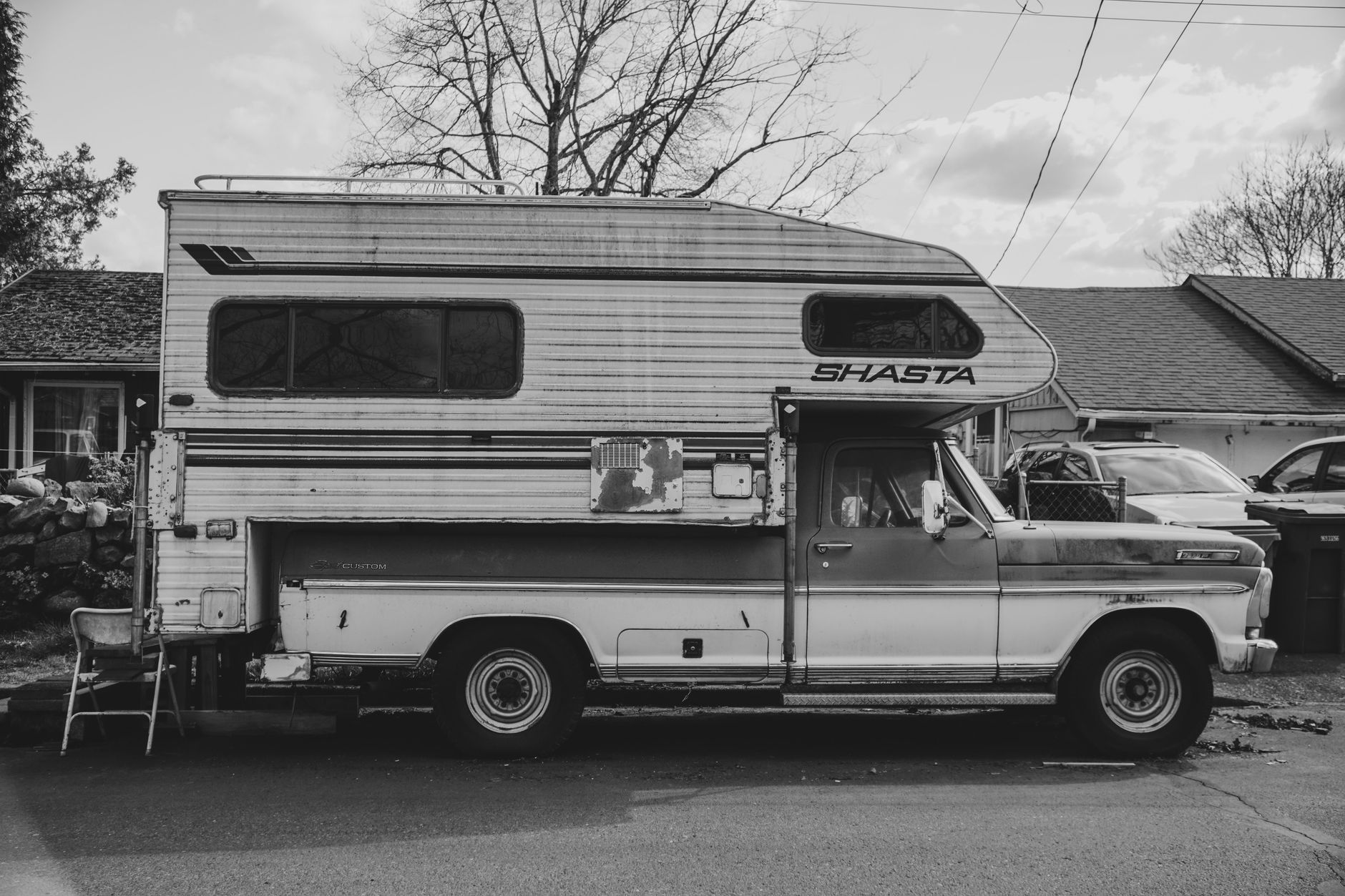
The Dealer Who Made It Right
What Was Inside
My knees did not entirely hold me. Renner pulled a stool over without a word and I sat down on it in the middle of that service bay, surrounded by strangers’ pontoon boats, and opened a letter my dead wife had hidden in a compartment I built and forgot about, sometime before her heart ever gave her the first sign of trouble.
I am not going to give you every word of that letter. Some things are not meant to travel past the person they were written for. I will tell you it was four pages long, in that same careful hand, and that she had clearly written it a little at a time over months, because the ink changed twice and one whole page was dated a full season after the one before it. I will tell you she wrote about the road atlas, and about a diner in Arkansas she had read about in a magazine, and about how she expected me to take entirely too long getting around to actually leaving once the RV was finished, because that was, in her words, exactly the kind of man she had married.
And I will tell you the last line, because I think you have earned it same as I did.
Don’t you dare let that RV sit in the garage collecting dust out of guilt. Drive it. Drive every mile we planned. I’ll be riding in the passenger seat the whole way, same as always, telling you that you’re going too fast.
I sat on that stool and cried in a way I had not let myself cry since the week she died, in front of a dealership owner and a mechanic I had known for exactly eleven minutes, and neither one of them said a single word to rush me out of it.
The Couple Who Said No
I did not know it yet, but there was a young couple standing at the front counter that same morning, ready to sign the papers making my motor home theirs.
The Keslers, out of Wapello County, expecting their first baby in the spring, had come in the week before and fallen for that same faded old camper the way I had fallen for it eight years earlier. Renner told me later that the wife had actually asked about the little ceramic hummingbird, whether it came with the vehicle or whether she was meant to take it down.
Tolliver had gone out to the front counter straight from that service bay, still wiping tin box dust off his hands, and told Renner what he’d found before either of them said one word to the Keslers about the sale still pending in front of them.
Renner is a plainspoken man, and he told the young couple plainly what had turned up. He did not have to. The paperwork on his end was clean. The trade in was legal, the title was clear, and by any measure a dealership uses to decide whether a sale is a sale, this one already was.
But he told them anyway, about the false floor and the tin box and the letter from a dead woman still taped shut with old blue wax, and about an old lockmaster sitting in his service bay right that minute reading it for the first time.
The young husband, Renner told me, went quiet for a long moment. Then he looked at his wife, and his wife looked back at him, and she said the thing that undid all of it before anybody with a title in their hand had to make a single decision.
“We can’t buy that man’s grief and call it a good deal,” she said. “Find something else for us. Please don’t finish this one.”