The Debt My Brother Put On Our House
People in a farm town think they know how debt works. They think it shows up as a certified letter, or a sheriff’s deputy on the porch with a folded paper, or a lawyer clearing his throat in a wood paneled office. Something official. Something with a seal on it.
That is not how I found out that my own house had a lien against it. I found out because a man behind a bank counter, filling in a routine form, assumed I already knew.
My name is Yvette. I am forty seven years old, and I have lived my whole life on the eastern Colorado plains, in a farm town small enough that the grain elevator is still the tallest building for twenty miles, and everybody at the feed store knows whose truck is whose by the dent in the tailgate.
This is the story of the year my father died, the year my brother’s debt finally caught up with all of us, and the year I stopped being the quiet one in my family.
The House I Came Back To
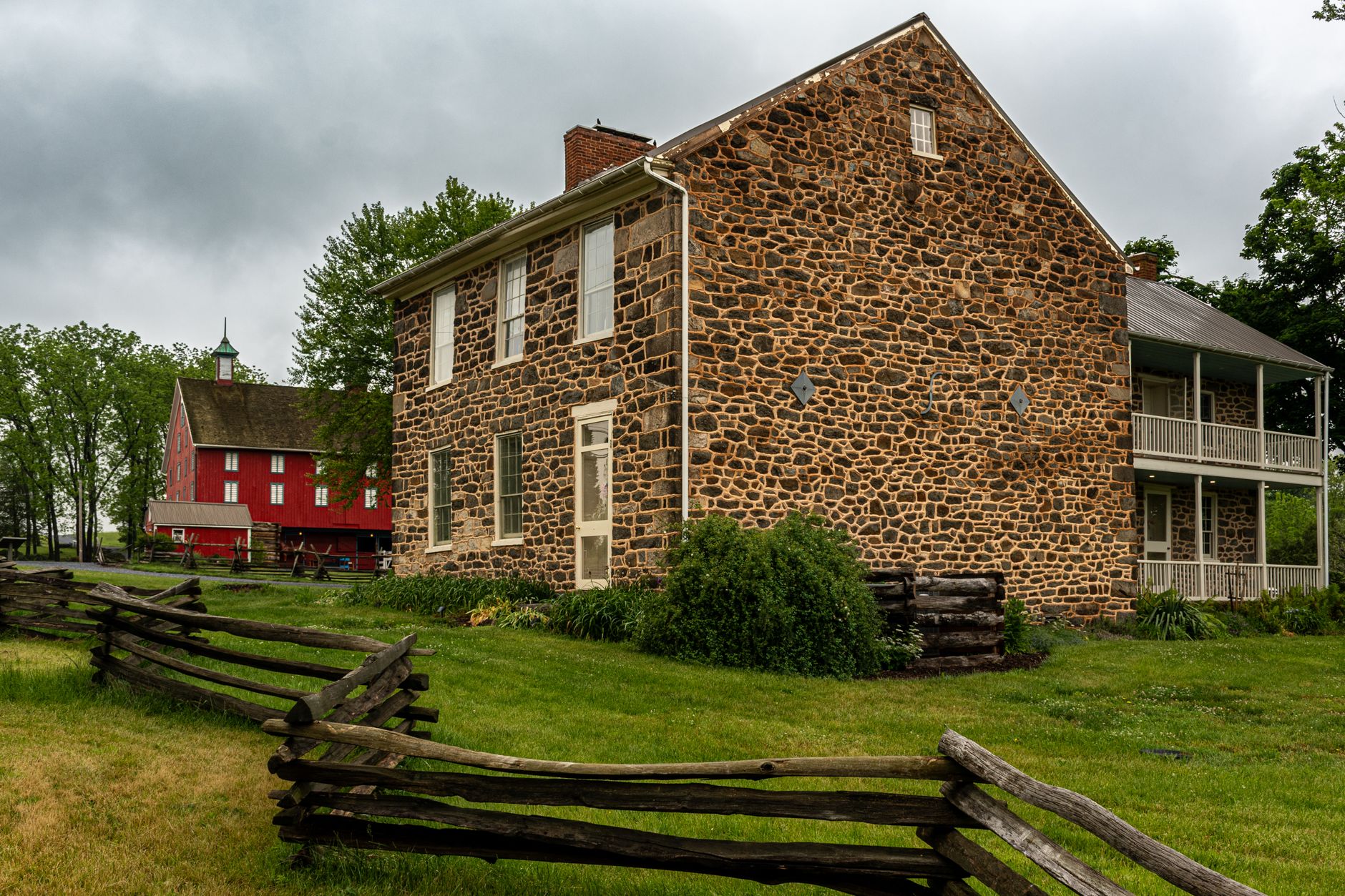
Fourteen months before the funeral, I gave up my rented place above the old hardware store in town and moved back into the farmhouse I grew up in.
My father, Bert, had been slowing down for two years by then. His heart. The doctor in the county seat used a word that sounded gentler than it was, congestive, like it was describing weather instead of a body giving out. My mother, Bernadette, could not lift him when he fell, and my brother, Leland, who had taken over the actual farming years before, was busy from before sunup running four thousand acres of wheat and a cattle operation that never once let him sit still long enough to sit with his own father.
So I came home. I told myself it was temporary. Fourteen months later I still had boxes in the hall closet I never got around to unpacking, because unpacking would have meant admitting how long I expected to stay.
I did the things a daughter does when nobody else is doing them. I drove my father to his cardiology appointments two counties over. I learned to read the fine print on his prescriptions so I could catch it when the pharmacy substituted a cheaper generic that made him dizzy. I sat with him in the evenings while he watched the Rockies lose, and read him the wheat futures out of the paper because his eyes had gotten too bad for the small print, and he liked hearing the numbers in someone else’s voice, like it made them more real.
I also, without anyone asking me to and without anyone particularly noticing, kept the family’s paperwork straight. I brought in the mail every afternoon at four when the carrier came down the county road. I paid the small bills out of the household account and flagged the larger ones for my mother’s signature. I assumed, the way you assume the sun will come up, that I was seeing everything that came through that mailbox.
I was not seeing everything. I would not find that out for another year.