The Dealer Who Made It Right
My Son Clarence
I raised Clarence to be a good man, or I thought I did, which I suppose is what every father thinks right up until the day he finds out otherwise.
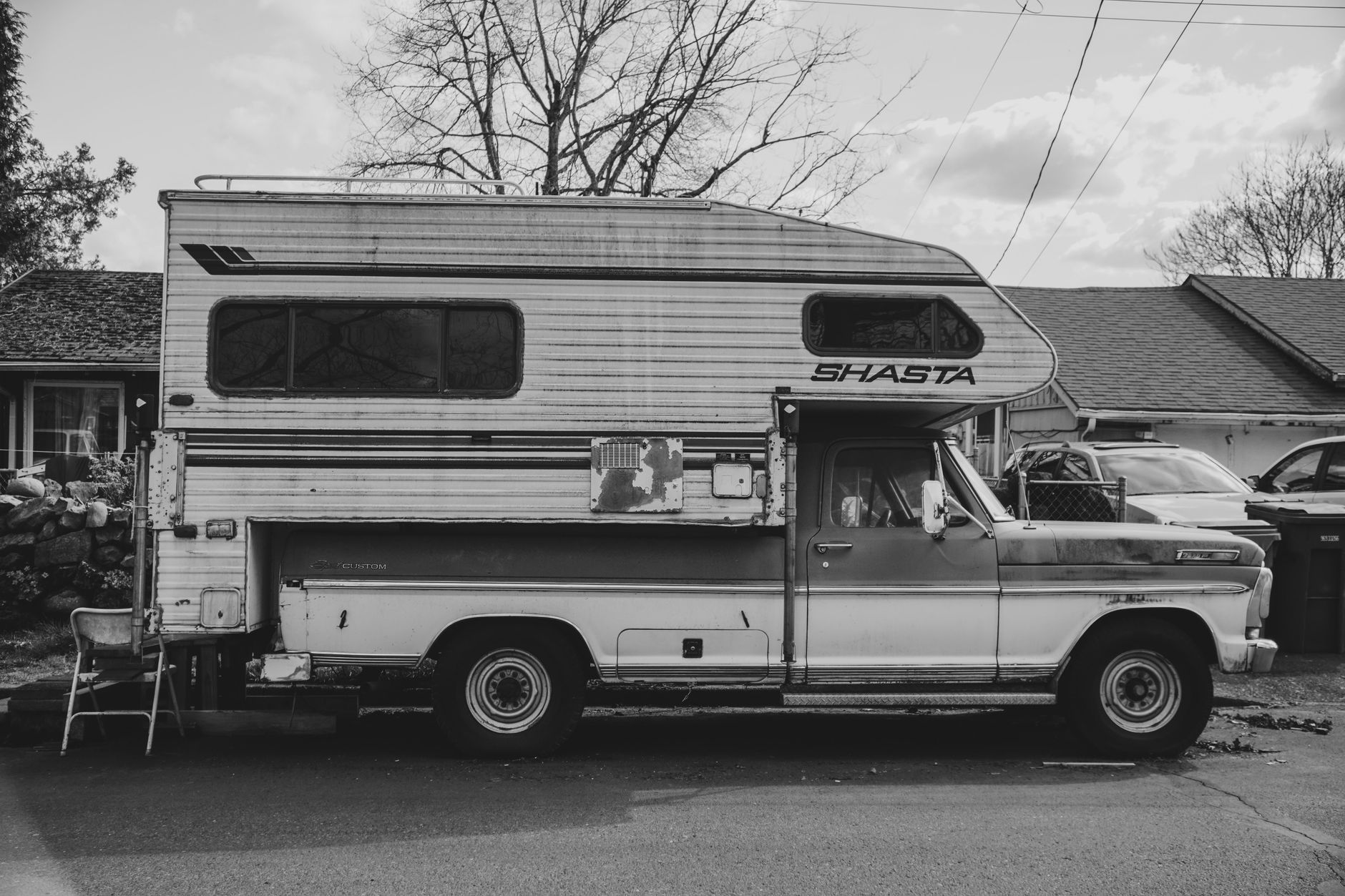
He is thirty eight now, married eleven years to a woman named Elsie, who grew up two counties over and came to Keokuk for a nursing assistant job before she and Clarence found each other at, of all places, the county fair demolition derby. They have two kids, a boy in middle school and a girl still young enough to think her grandfather’s motor home was the most exciting thing in the family, which it was, until it wasn’t there anymore.
Clarence runs a small engine and appliance repair shop downtown, the kind of place that fixes lawn mowers and window units and the occasional washing machine for people who cannot afford to just buy new ones. It is honest work. It is also work that has been getting harder every year, as the county keeps losing people to Cedar Rapids and Des Moines and the big chain stores make it cheaper to replace a broken dryer than to fix one.
The shop had fallen behind on its loan. I knew that much. What I did not know, until later, was how far behind, or how much of it traced back to a business loan Elsie’s father had cosigned two years earlier when Clarence tried to expand into small appliance sales, a plan that never quite worked the way he hoped it would. Elsie’s father was not a patient man about money. He called the house. He called the shop. He had started saying things at Sunday dinner about what happens to a man who cannot make good on his own signature.
I did not know any of that the morning I drove north to Dubuque. I would have helped, if he had asked. I want that on the record, plainly, before I tell you the rest of this. All he ever had to do was ask.
Why His Name Was on the Title
Here is the part of this story that still keeps me up some nights, because it means what happened to me was not, in the end, against the law.
About a year after Theresa died, a friend of mine from the VFW, a fellow who had gone through something similar with his own estate, told me I ought to get my affairs in order rather than leave a mess for Clarence to untangle if something happened to me suddenly. Men my age think about these things more than we let on. I did not have a fortune to leave behind, but I had a paid off house, a decent pension, and by then, a motor home worth real money, and I did not want my son standing in a probate office for six months arguing with a stranger about a title.
So I drove down to the county courthouse annex and added Clarence’s name to the RV’s title, right alongside mine. Joint ownership. It seemed like the responsible thing to do. It seemed, at the time, like an act of trust.
I want to be clear about what that meant, because it changes everything that came after. It meant that legally, on paper, in the eyes of the state of Iowa, my son had just as much right to sign that title over to another owner as I did. Not because he forged anything. Not because he tricked a clerk or faked a signature or slipped anything past anybody. He simply had the right, because I had given it to him, years earlier, for reasons that had nothing to do with a dealership lot and everything to do with a father trying to spare his son a headache someday.
He used a gift I gave him out of love as the tool to take something I had built out of grief. That is the part that still catches in my chest more than the money does.