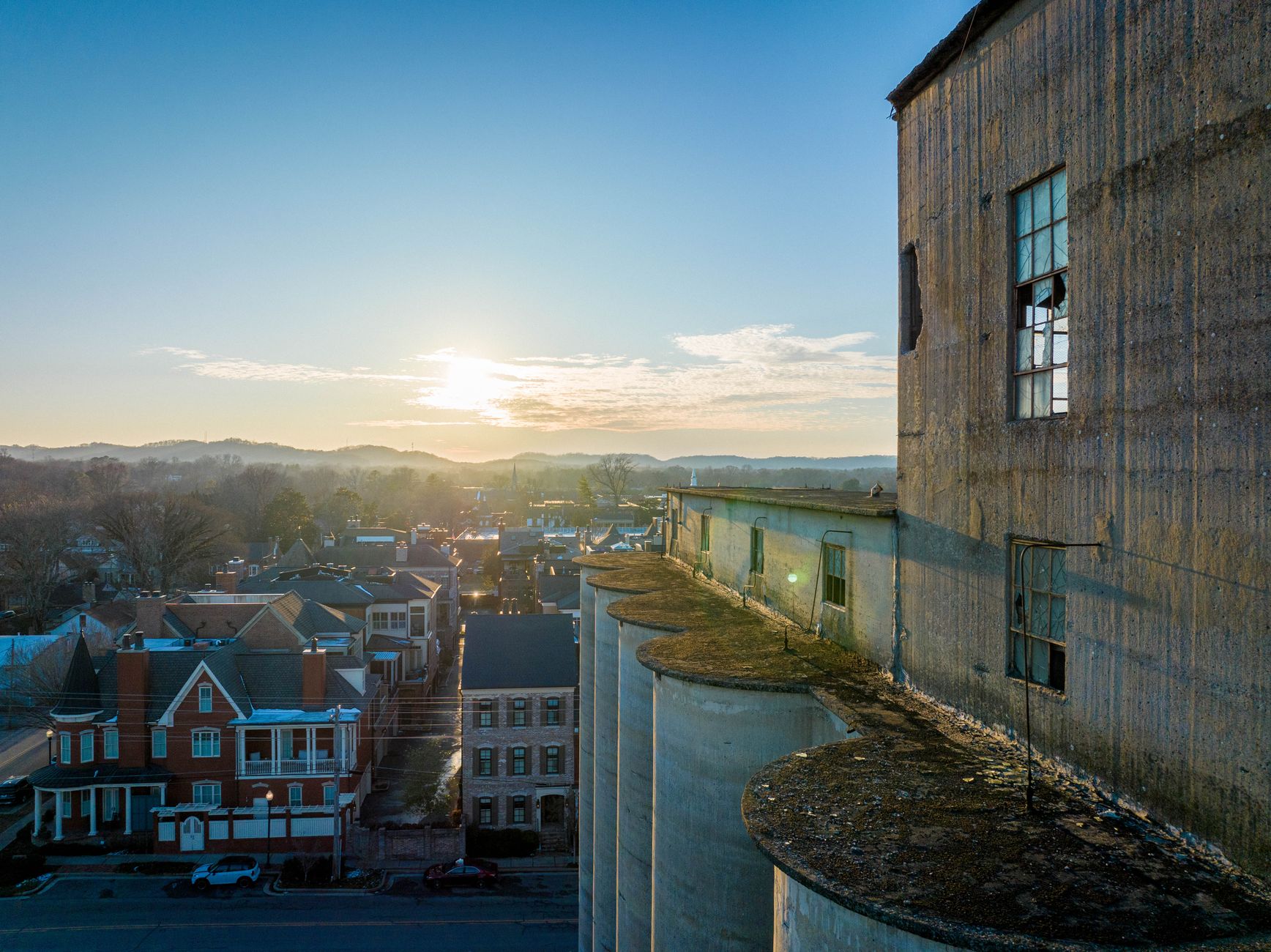
The Grain Elevator Man Who Outlasted Betrayal
I had forgotten, if I am honest, how specific I had been that day. Grief does strange things to memory. But I had not forgotten why I said it. I had watched the Kessler family, two farms over, lose their land to exactly this kind of quiet coup, a son with good intentions and a lawyer’s document, and a father too heartbroken and too trusting to see it coming until the ink was already dry. I had promised myself, and I suppose I had promised Rosetta without ever saying it out loud, that it would not happen to us.
“There’s something else,” Mrs. Aldrich said. “Those large withdrawals your son flagged as suspicious. I can tell you, because you’re the account holder and he isn’t cleared for that detail, where every dollar of it went.”
What Rosetta and I Put in Writing
Here is what Anthony did not know, and what Selma certainly did not know, because I had never told either of them, not out of secrecy for its own sake, but because some things a man does quietly are quieter for a reason.
Eighteen months ago, the widow of one of our longtime drivers, a man who died in a grain bin accident on somebody else’s farm, came to me not asking for anything, just grieving, with two kids and a farm payment she could not make. I paid it. Not once, three times over the following year, and I paid for physical therapy for a young hand of ours who got his hand caught in an auger and needed more surgeries than his insurance would cover. Those were the large, unexplained withdrawals Anthony had been quietly tracking on the statements for months, convincing himself, and then convincing Selma, that his father was either being taken advantage of by a con artist or losing his grip entirely.
He was half right. Something significant was happening with the money that he did not understand. He was entirely wrong about what it was, and instead of sitting down across the kitchen table and asking me the way his mother would have taught him to, he decided the safer path was to seize control first and ask permission never.
That is the whole shape of what makes this worse than plain greed, and more true than either of us wanted it to be. Anthony truly believed, in his own account of it later, that he was protecting a father who could no longer protect himself. He was not entirely a villain in his own story. He was a son who loved his father enough to be terrified of losing him to a scam, and not quite enough to ask him a single honest question first.
The other thing Anthony did not know was the structure I had put in place four years ago, after that conversation with Mrs. Aldrich and after watching the Kessler land slip away down the road. I had restructured Voss Grain and Trucking so that any sale of the elevator, the land, or the fleet required two signatures, not one. Mine, and our longtime foreman’s.