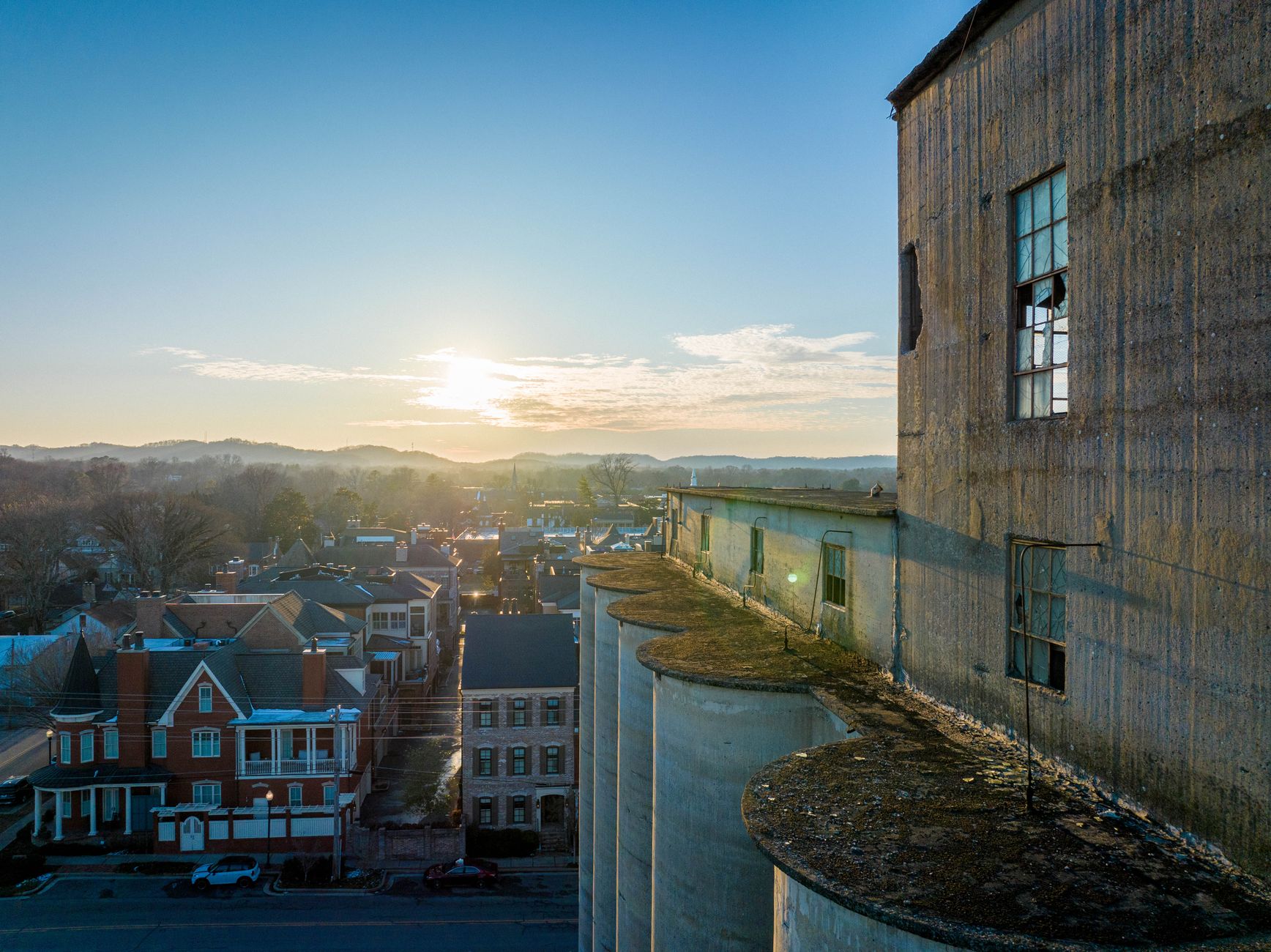
The Grain Elevator Man Who Outlasted Betrayal
The House With the New Deck
I drove straight from the feed store to the house at the edge of town, the one with the circular gravel drive Selma had insisted on and the new deck she’d wanted since spring.
Selma opened the door in tennis whites, a manicure fresh enough that I doubted she’d swung a racquet in it.
“Oh, Arthur,” she said, like my showing up unannounced at my own son’s house was the surprising part of the morning. “You should have called first.”
“My cards don’t work,” I said. “The bank says everything’s frozen. Where is my son?”
“He’s inside,” she said, inspecting her nails instead of looking at me. “We’re just trying to establish some boundaries.”
Boundaries. From a woman whose deck, whose kitchen, whose two vehicles in that driveway had all, in one form or another, come out of a business she had spent sixteen years telling people was beneath her.
Anthony came to the door behind her, and for one strange second I saw his mother in the set of his jaw and nothing at all of her patience in his eyes.
“I froze the accounts, Dad,” he said, calm as a church usher. “You’ve been pulling large sums for months. I checked the statements myself. Somebody has to protect what’s left before you sign it away to a con man or a girlfriend or whoever’s got their hooks in you.”
There it was. Not greed dressed up as concern. Something closer to real fear, wearing concern’s clothes.
“Protect it from who,” I said. “I built every dollar of it with your mother, in this town, over forty years. Nobody has their hooks in me.”
Selma sighed, the particular sigh of a woman performing patience for an audience. “Here we go. The forty years speech again.”
Forty Dollars
They told me the rest of it standing in that doorway, like reciting a grocery list. A regional agribusiness buyer had made an offer on the elevator, the land, and the fleet. Anthony had already sent them our numbers, without asking me, without so much as a conversation over coffee. He needed my name off the operating accounts and my signature nowhere near the sale documents until the deal was done, and freezing me out financially was, in his mind, simply the fastest way to keep me from, as he put it, “doing something rash” before he could finish protecting the family’s assets.
The family’s assets. As though Rosetta and I building this thing with our hands for four decades had been some kind of shared inheritance he was managing on my behalf, rather than the other way entirely around.
“Where does that leave me,” I asked him. “No income, no signing authority, no voice.”
“We’d set you up somewhere comfortable,” Anthony said. “There’s a nice assisted living place outside Fargo. You wouldn’t have to worry about any of this anymore.”
Then he reached into his wallet and pulled out two twenty dollar bills, held them toward me like a man tipping a waiter.
“For groceries, Dad. Since your card’s not working.”
Forty dollars. Offered to the man who built the very business Anthony was quietly dismantling behind his back, standing on a deck that man’s labor had paid for.
I did not take it.
“I would rather go without supper,” I told him, “than take money from my own son like a stranger begging at his door.”
Selma laughed, not unkindly exactly, the way you laugh at a child refusing vegetables. “You’ll come around, Arthur. Hunger’s a good teacher.”