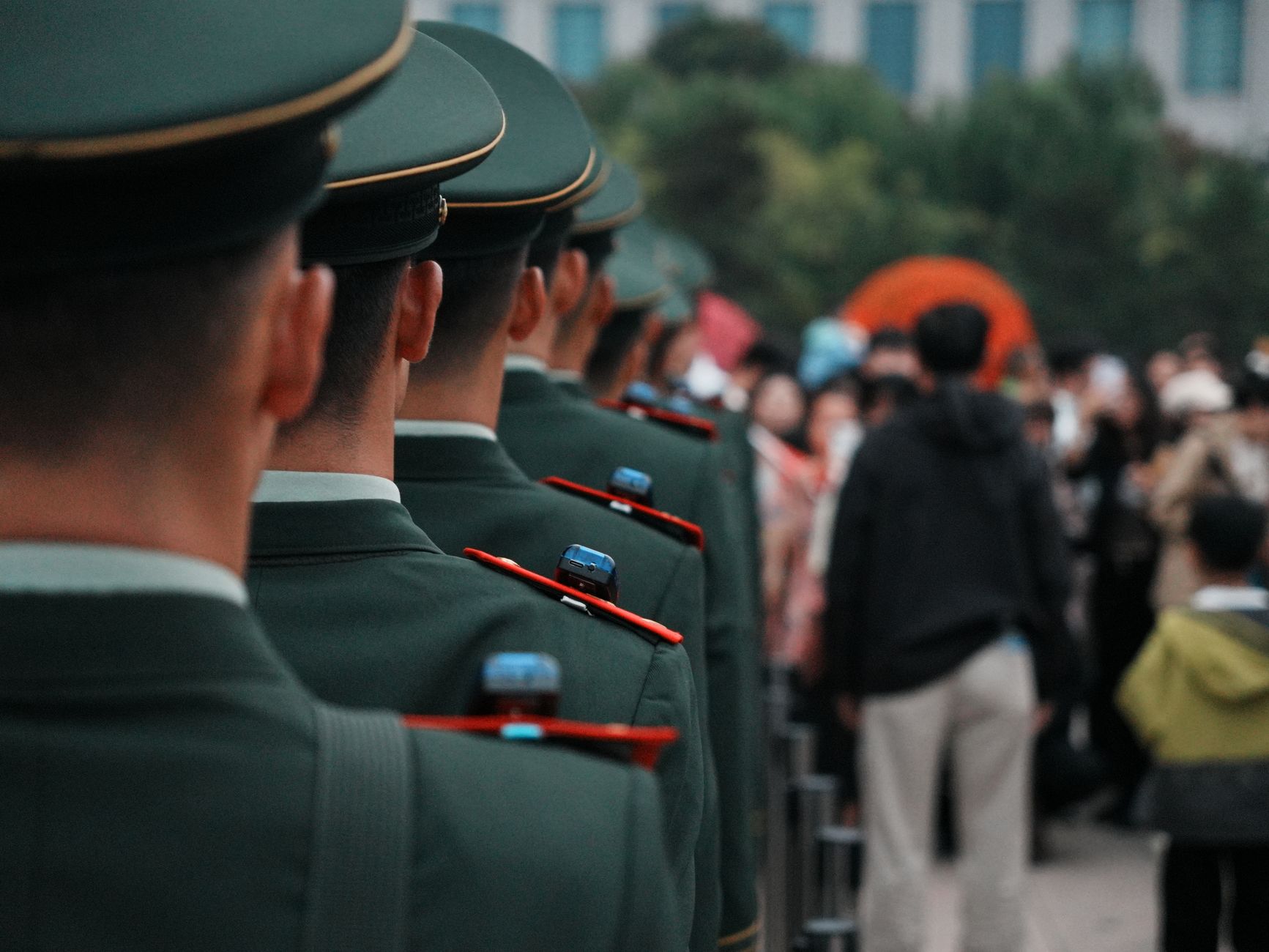
The Captain Her Father Called A Costume
Back Inside the Caldwell County Courthouse
The Caldwell County courthouse is a squat brick building from the 1930s with a radiator system that has never once worked quietly. The courtroom smelled like hot dust and the coffee going cold on the clerk’s desk. A ceiling fan pushed the air around without cooling it.
My parents arrived with their attorney, a man from a firm two counties over who wore a tie clip shaped like a set of scales and gave me exactly one look across the room, brief and dismissive, before he opened his folders.
My father wore his church tie. My mother had a box of tissues open on her lap before the hearing had even started.
“There she is,” my father said, loud enough to carry. “Still playing soldier.”
I did not answer him. I sat, opened my binder to the first tab, and waited.
Their attorney went first. He described me as a woman who had chosen a distant institution over her own family, who had been absent for the majority of the last decade, whose devotion to Walter existed mostly in retrospect now that a farm was involved. He used the phrase “extended voluntary absence” four separate times. He never once used the word deployment.
My father took the stand next. Under his attorney’s gentle questioning, he described a daughter who had run off at twenty to “play soldier,” who had missed birthdays and holidays and, in his words, “the actual work of being family.” He said his father had needed someone present, not someone in a uniform three thousand miles away.
My mother followed him. She dabbed at a dry eye and told the judge, in a soft voice practiced on decades of church testimonials, that I had changed, that they had lost the ability to reach me, that whatever I had become overseas was not the daughter they raised.
I sat through all of it without interrupting. I had waited twelve years for people in that town to understand what I actually did. I was not going to lose my composure in front of the one person whose opinion could still fix that.