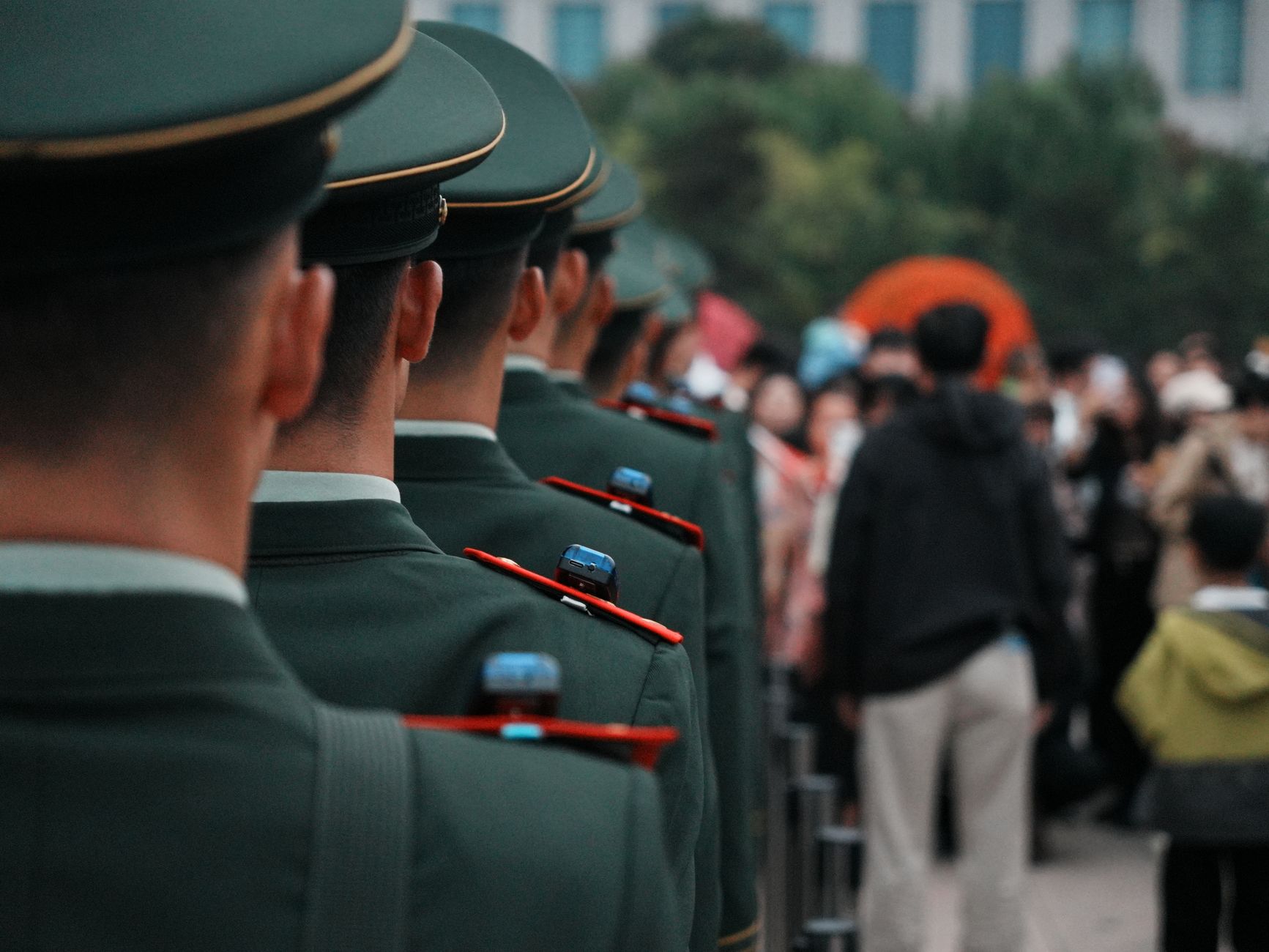
The Captain Her Father Called A Costume
None of that town-level respect ever made it through my parents’ front door. My father would nod along when someone at the tractor dealership mentioned my service, then come home and tell my mother, within my hearing, that he wished I had just stayed and helped him with the parts counter instead. It took me a long time to understand that his discomfort was not really about the Army at all. It was about a daughter who had built a life he could not supervise, in a world he had never seen, and could not brag about in terms he fully understood. A softball trophy he could hold up. A deployment citation embarrassed him, because it reminded him how little of my actual life he knew anything about.
Walter never had that problem. He asked me questions until I ran out of things to tell him, then asked more. He wanted to know what the mess hall food was like, whether the desert got cold at night the way the county did in November, whether the soldiers under my care were scared and what I said to them when they were. He was the only person who ever treated my service as something that had actually happened to me, rather than something that had happened to the family’s reputation.
That difference, more than any acreage or dollar figure, is what the will was really about, even before the timber contract made it impossible to pretend otherwise.
The Petition
The petition arrived by certified mail six weeks later, the day after I landed back in Virginia from a routine training rotation. I was sitting at a diner off Route 11 in yesterday’s uniform, working through a plate of eggs that had gone cold while I read it twice to make sure I understood what I was looking at.
My parents were contesting the will. They alleged Walter had been mentally unfit at the time he signed the codicil. They alleged, separately, that regardless of the will’s validity, I had effectively abandoned the farm and the family through what their filing called my “extended voluntary absence,” and that the court should recognize their equitable claim to the property on that basis instead.
It was, as their attorney would later say out loud in open court, an attempt to have it both ways: undo the will if possible, and if not, punish me for my service anyway.
I called Mitch that same morning, because some small stubborn part of me still believed my brother would tell the truth even if my parents would not.
“Dad needs this to work out,” he told me. He would not say why, not yet. Then, quieter, almost apologetic, “Just let them have it, Erin. It’s not worth the fight.”
I asked him if he believed I had abandoned Walter.
He did not answer that question. He hung up instead.
I spent the six weeks before the hearing doing what I do best under pressure, which is gather documentation and refuse to feel anything about it until the job is finished. I pulled twelve years of bank statements. I requested my own military pay records and deployment orders from finance. I got a certified printout of the Landstuhl hospital’s outbound call log for the two weeks I was there, with every unanswered call to my parents’ number time stamped in black and white. I built a binder an inch and a half thick, and on the morning of the hearing, I put on my dress uniform instead of a blouse and slacks, because I decided if they were going to call twelve years of my life a costume, I was going to make them say it to my face while I wore it.