The Captain Her Father Called A Costume
The Call From Landstuhl
My second deployment ended the way none of us plan for. I was riding in a supply convoy outside Kandahar when the lead vehicle struck an improvised device. Nobody in my truck was killed. I came away with a shattered kneecap, the same knee that still aches before it rains, and enough of a concussion that the flight surgeon grounded me from the return flight home and routed me instead to Landstuhl Regional Medical Center in Germany for two weeks of observation and surgery.
I remember waking up in that hospital and doing the thing soldiers do first, which is take inventory. Fingers. Toes. The people you love. I called my mother from a hospital phone at two in the morning her time. It rang through and went to voicemail. I called my father an hour later. Same thing.
I called again the next day. And the day after that. Four calls total over that stretch, every one of them logged with a timestamp by the hospital’s phone system because that is simply how a military medical facility operates.
None were ever answered.
I did not tell Mitch about the injury until I was already stateside, because I did not want him carrying that worry into a job site. I told Walter the day I landed back in Virginia, and Walter was the only person in my family who cried on the phone when he heard.
My parents found out I had been hurt three weeks later, from a woman at church whose son served in my unit. When I finally spoke to my mother about it, she did not apologize for missing the calls. She said, “Well, you never told us it was serious.” As if a soldier calling home from a hospital overseas at two in the morning needed a subtitle.
Walter’s Last Summer
Walter’s health started failing for real about a year after I came home from that second deployment. His heart, mostly, the kind of slow decline that a country doctor manages with pills and hope rather than surgery, given his age.
I moved back into the area that year, close enough to help, still drilling with the Guard but no longer deployable while my knee finished healing. I drove out to the farm most evenings after work. We fixed fence line. We talked about nothing and everything. He told me, more than once, that the farm was the only thing he had left that felt like it still belonged to him, since his body increasingly did not.
My father visited Walter on Sundays, usually for under an hour, usually with an agenda. He wanted Walter to sell off a back parcel of timber to a logging outfit that had been circling the property for two years, offering what sounded like a lot of money to a man who had never sold so much as a tree off that land in his life. Walter always said no. My father always brought it up again the next Sunday.
I did not know, that summer, exactly how much my father needed that money to happen. I would find out later, in a courtroom, in a document my father never expected me to see.
Walter passed in his sleep on a Tuesday in early spring, at home, in the bed with the old olive drab blanket still folded at the foot of it. I was the one who found him. I called the funeral home, then I called my father, then I sat on the porch steps of that farmhouse for a long time before I could make myself call anyone else.
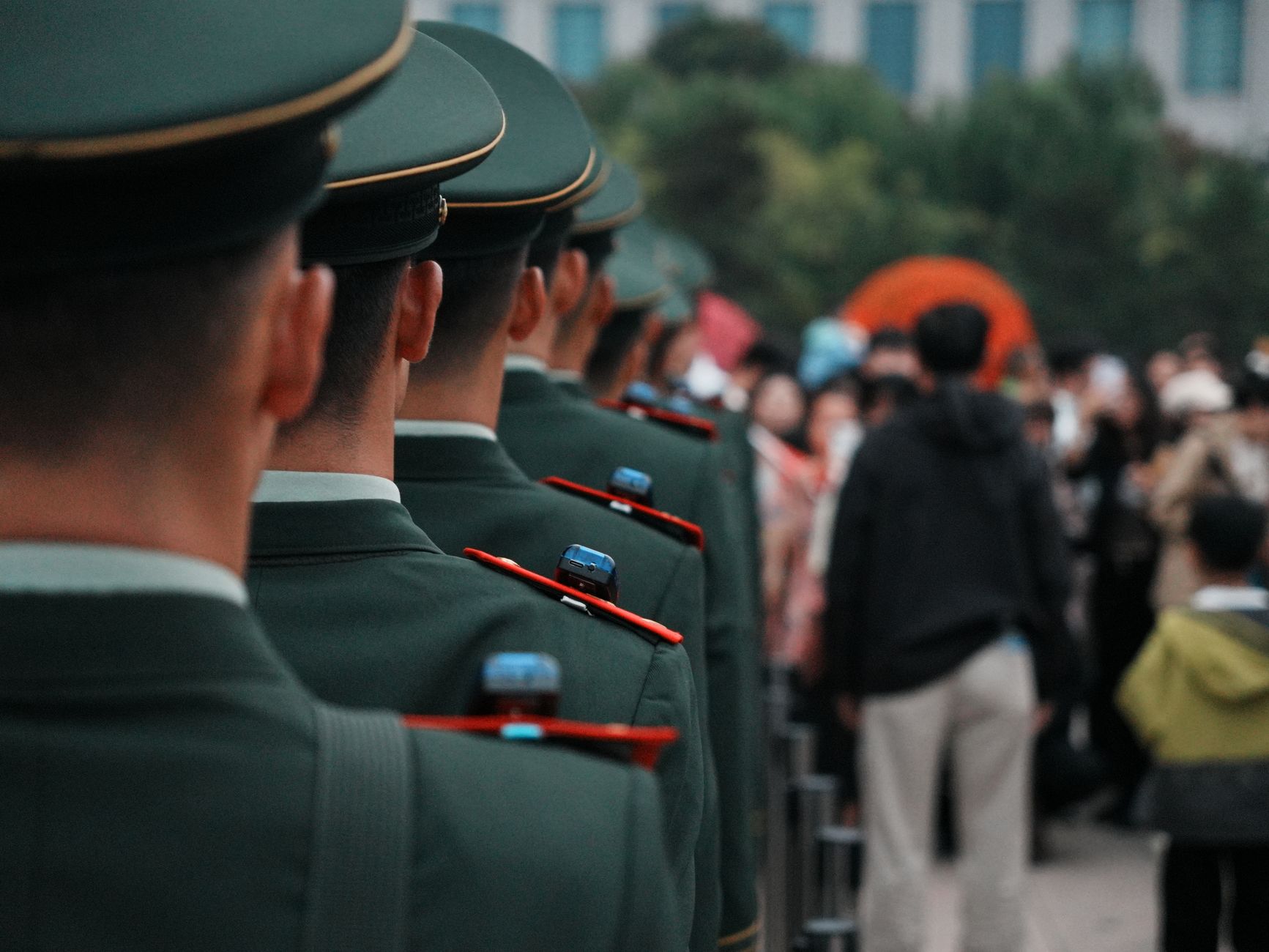
The funeral was held at the Baptist church in Millbrook, standing room only, because in a town that size everybody had bought seed corn from Walter Doyle at some point in fifty years. The VFW post sent an honor detail out of respect for his own two years of service, and I stood in my dress uniform beside the flag detail because Walter had asked me to, months before, in a quiet conversation neither of us treated as a big deal at the time.