The Pennies in My Gravel Driveway
Dale Heckert backed his rollback up my gravel drive at four o’clock on a Friday in April, and I knew before he stopped that he had not come to say goodbye.
I was on the front step with a basket of wet towels. Noah was beside me with his library book, and Lily was drawing on the walk with a stub of chalk she had been saving since Easter.
Dale set the brake and climbed down without looking at me. He was sixty-three that spring, and he moved like his knees hurt.
Three five-gallon buckets were strapped to the deck of the truck. They were the old drain buckets from the back bay, the ones we used under the lift when somebody’s oil pan wept all day.
He loosened the straps. Then he worked the lever and the bed began to tilt, slow and groaning, the way it did when he was loading a dead car off a ditch on County K.
The buckets slid. The first one hit the end of the bed and tipped, and a sound came out of it like hail on a tin roof, only it kept going and going.
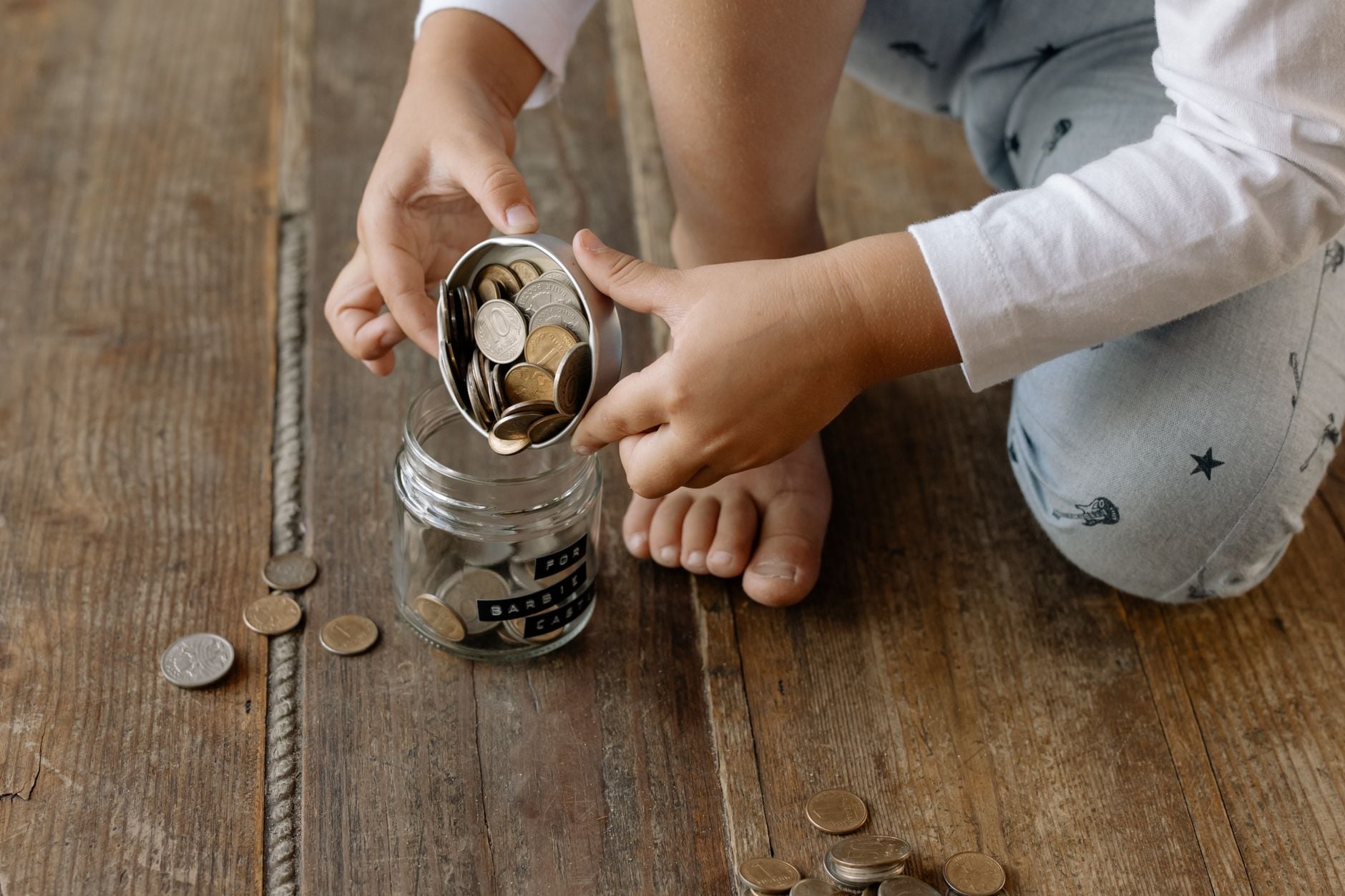
Pennies. A river of them, dark and wet, pouring onto my gravel and spreading out in a fan toward the porch. The second bucket followed, then the third, and the pile grew until it was nearly to my shins.
Lily stood up with her chalk in her fist. Noah closed his book on his finger and did not say one word.
Dale climbed back down. He pulled a folded paper from his coat pocket, peeled off a strip of duct tape from the roll he always kept on his wrist like a bracelet, and taped the paper to one of the empty buckets.
“That’s your final pay,” he said. “Nine hundred fifteen dollars even. Ninety-one thousand five hundred pennies. It’s all there.”
I set the towel basket down on the step. My hands had started to shake and I did not want him to see it, so I put them in the pockets of my jeans.
“Dale,” I said. “What is this.”
“Paid in full,” he said. “You’re going to work for the co-op, you can count like they count. Count it.”
He threw the empty buckets back on the deck, one, two, three. He lowered the bed.
He got in and pulled out onto the road, and I watched the back of that truck all the way to the stop sign at the end of Pine Street.
The pile sat there shining. It smelled like the back bay of the shop, like old oil and cold concrete and the coffee can full of greasy rags under the parts washer.
“Mom,” Lily said. She said it in a whisper, like we were in church. “Is that treasure?”
I ran the parts counter at Heckert Auto and Tire for six years.
I started when Lily was a baby in a car seat on the floor behind the register, because daycare in our town costs more than I made, and Dale said he didn’t mind a baby as long as she didn’t mind the air wrench.
Jan left him a year ago last March. Nobody in town knew exactly why, and I never asked.
She moved to her sister’s place down by Green Bay and took the good dishes and the dog, and Dale came in that Monday and opened the shop like nothing had happened.
But it had. He stopped coming in until ten. He stopped answering the phone, so I answered it.