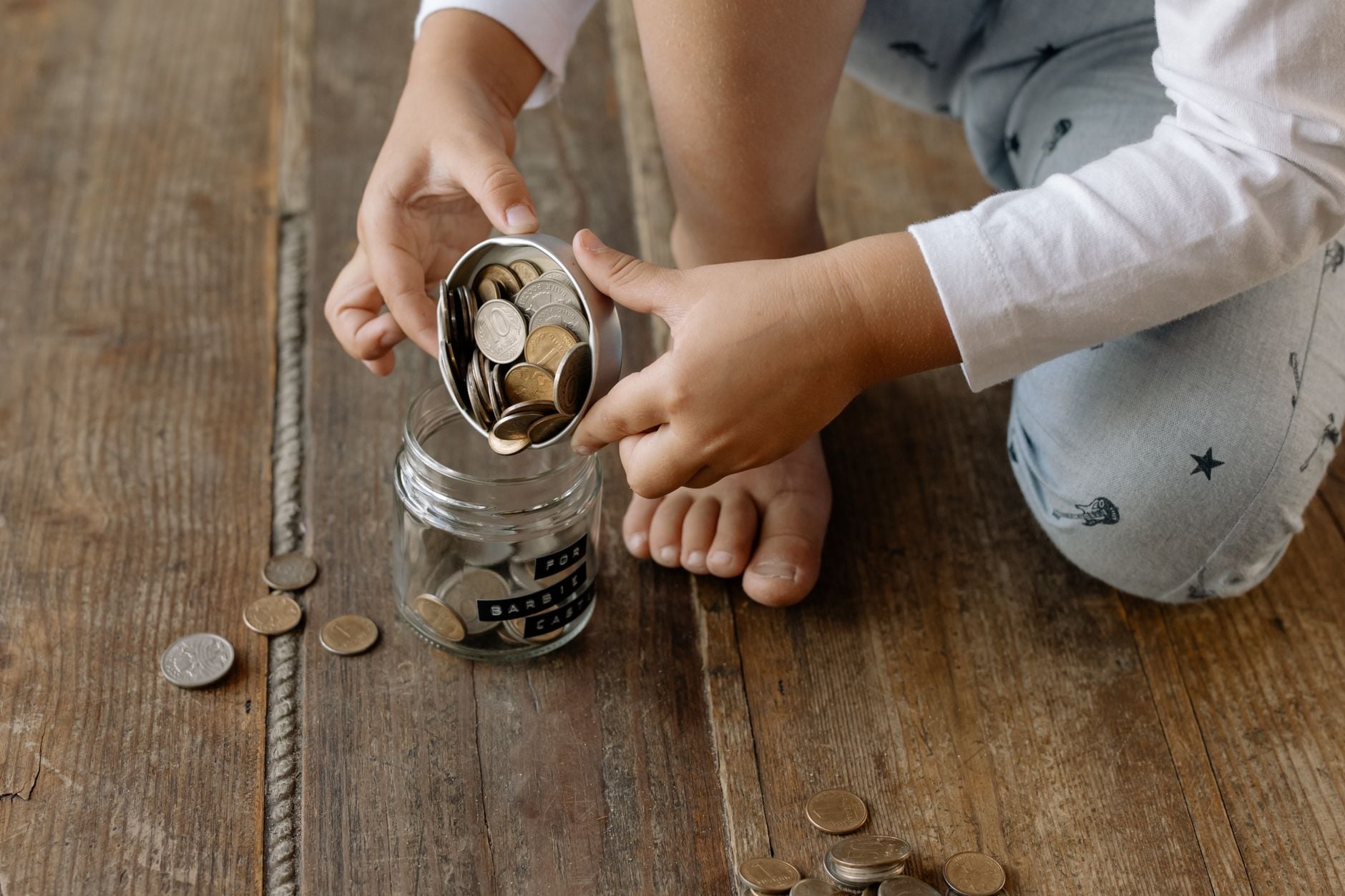
The Pennies in My Gravel Driveway
He handed the check to Mrs. Fogle. She took it without a word and nodded once, very solemn, the way she must nod at a child who has finally finished his peas.
“Thank you, Dale,” she said. “The third grade thanks you.”
“Don’t put my name on it,” he said. “On that page. Please.”
“I wouldn’t,” Mrs. Fogle said. “I never put anybody’s name on it.”
Then Dale turned back to me, and he opened his mouth, and nothing came out. He closed it again. He looked at Deb and at Mrs. Fogle and at the hallway full of little coats on hooks.
“Not here,” he finally said. “I can’t do it right here. Can I come by tonight? After the kids eat?”
I thought about it for a long moment. I thought about the river of pennies coming off the back of his truck, and Lily standing on the step with her chalk.
Then I thought about Tanner carrying his cheese sandwich back to the table, and giving his milk away to a girl who was still hungry.
“Seven o’clock,” I said.
He came at seven, in his pickup instead of the rollback. He parked on the road instead of in the drive, and he walked up the gravel slowly with his hands in his coat pockets, the same gravel where the pile had been.
I sat on the top step, and after a while he sat down on the bottom one.
“Jan left me thirteen months ago,” he said, to the gravel. “You know that.”
“I know.”
“She told me I was hard to live with. She told me I never said thank you for anything, not in thirty-eight years.”
He rubbed his face with both hands. “She was right. I know she was right. But I didn’t do anything about it.”
“Then you gave notice,” Dale said. “And I know why. I’m not stupid, Becky. You’ve got two kids and no insurance, and the shop’s half dead. I’d have gone too. I’d have gone two years ago.”
“Then why,” I said.
“Because you were the last one,” he said. He looked up at me. “Jan went. Then Mark at the shop, when I couldn’t pay him. Then my son moved over to his wife’s folks after the mill. Everybody walks out. And then you put that letter on my bench with a cup of coffee on top of it, like it was nothing.”
“It wasn’t nothing,” I said. “I cried for an hour after I left it there.”
“I know that now.” He looked down again. “I didn’t know it then. I was so angry, and I didn’t know who I was angry at, so I picked you. Because you were the one still standing there.”
“I spent a week on those pennies,” Dale said. “Ordering them. Breaking open the rolls. Pouring them in the oil buckets. I thought the whole time how you’d stand out here with your mouth open and have to count every one.”
“I did,” I said. “Every one.”
“I know.” He laughed, but it was not really a laugh. “And then you went and did the one thing with them I never could have thought of in a hundred years.”
“It was Noah’s idea,” I said. “Not mine.”
He turned around and looked at the kitchen window, where Noah and Lily were both pressed against the glass. Lily waved at him. After a second, Dale raised his hand and waved back.
“He’s a good boy,” Dale said.
“He is.”
“Tanner says he’s the only one in the class who doesn’t laugh when Tanner reads out loud.” Dale cleared his throat. “Tanner’s not much of a reader. Takes after me.”