The Plain Pine Box Mama Asked For
“It is cheap, Glenda. Everybody in Aldous will know it is cheap.”
Noreen said it in the showroom of the Teague Funeral Home at ten o’clock on a Monday morning, loud enough that Gordon Teague found something urgent to read on his clipboard. My husband Bernie studied his boots. Her husband Gary studied the ceiling tiles. I studied my little sister’s face, and I did not recognize it.
I had my hand flat on the lid of a plain pine box with rope handles. It was the last casket along the back wall, the one with no satin and no brass, priced at eight hundred and ninety-five dollars on a small card. It was built by a family near Kalona, Gordon had told us quietly, with pegged joints and no nails. It smelled like a lumberyard in June.
“That is a feed bin with a lid on it,” Noreen said. “You are going to put our mother in a feed bin.”
“Noreen,” Gary said.
“No. I am not going to be quiet about it, Gary. Somebody in this room has to think about how this looks.”
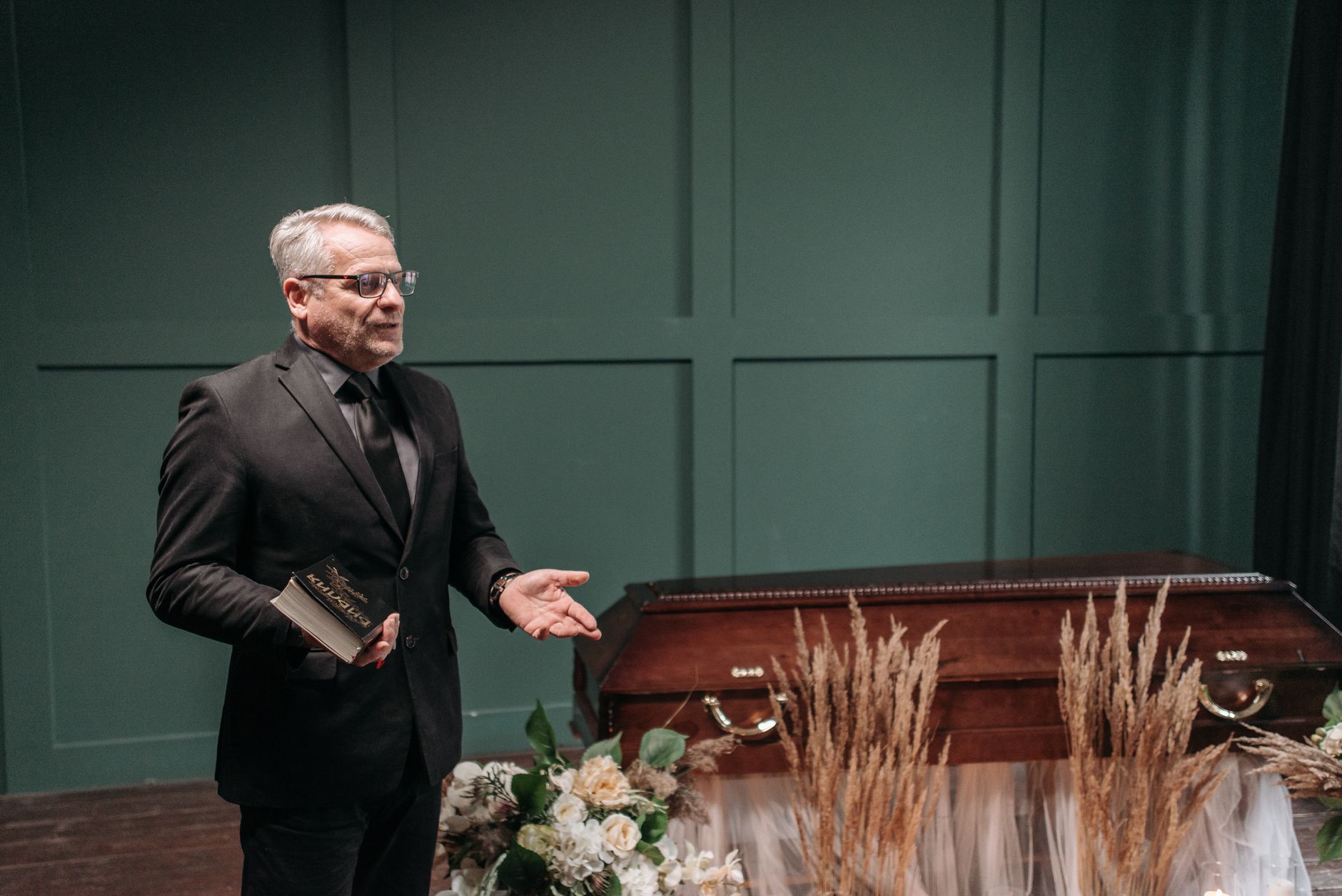
She pointed across the room at a casket the color of dark honey, with a cream satin interior and a brushed brass bar along each side. Gordon had shown it to us first, the way a good funeral director shows you the most expensive thing before you walk to the cheapest. It was called the Sovereign. It was solid cherry. The card said five thousand two hundred dollars.
“That is what a daughter picks,” she said. “That is a casket a person can walk past and say, those girls took care of their mother.”
I could have said a great many things then. I could have said that taking care of our mother was something I had done every day for two years, with a washbasin and a pill organizer and a baby monitor on my nightstand. I could have said where Noreen was at twenty minutes to six the previous morning, when Mama let go of this world.
The sentence sat right behind my teeth, whole and loaded. I could feel the weight of it.
I swallowed it instead.
“You are going to embarrass this entire family in front of the whole county,” Noreen said, and her voice cracked on the last word, and I should have heard what was underneath the crack. I did not hear it. I heard only the shame of being scolded in a room where people go to whisper.
Gordon cleared his throat. He is a big, soft-spoken man with a gray mustache, and in twenty-six years he has buried most of the people I have ever known. He did not take a side. He only said, “Take all the time you need, ladies.”
I looked at the pine lid under my hand. I thought about Mama’s feet in a pan of warm water, and her voice.
“Thank you for caring what people think of Mama, Noreen,” I said. “I mean that. I know you love her.”
My sister blinked at me as if I had spoken another language.
“But she asked for plain pine,” I said. “She asked me over and over, and I promised her. I am going to keep the promise. I would like to sign, Gordon.”
“Glenda,” Noreen said.
“You can pick the hymns,” I said. “You can pick the flowers. You can pick the dress she wears, and I will not say one word. But I will sign for the box.”