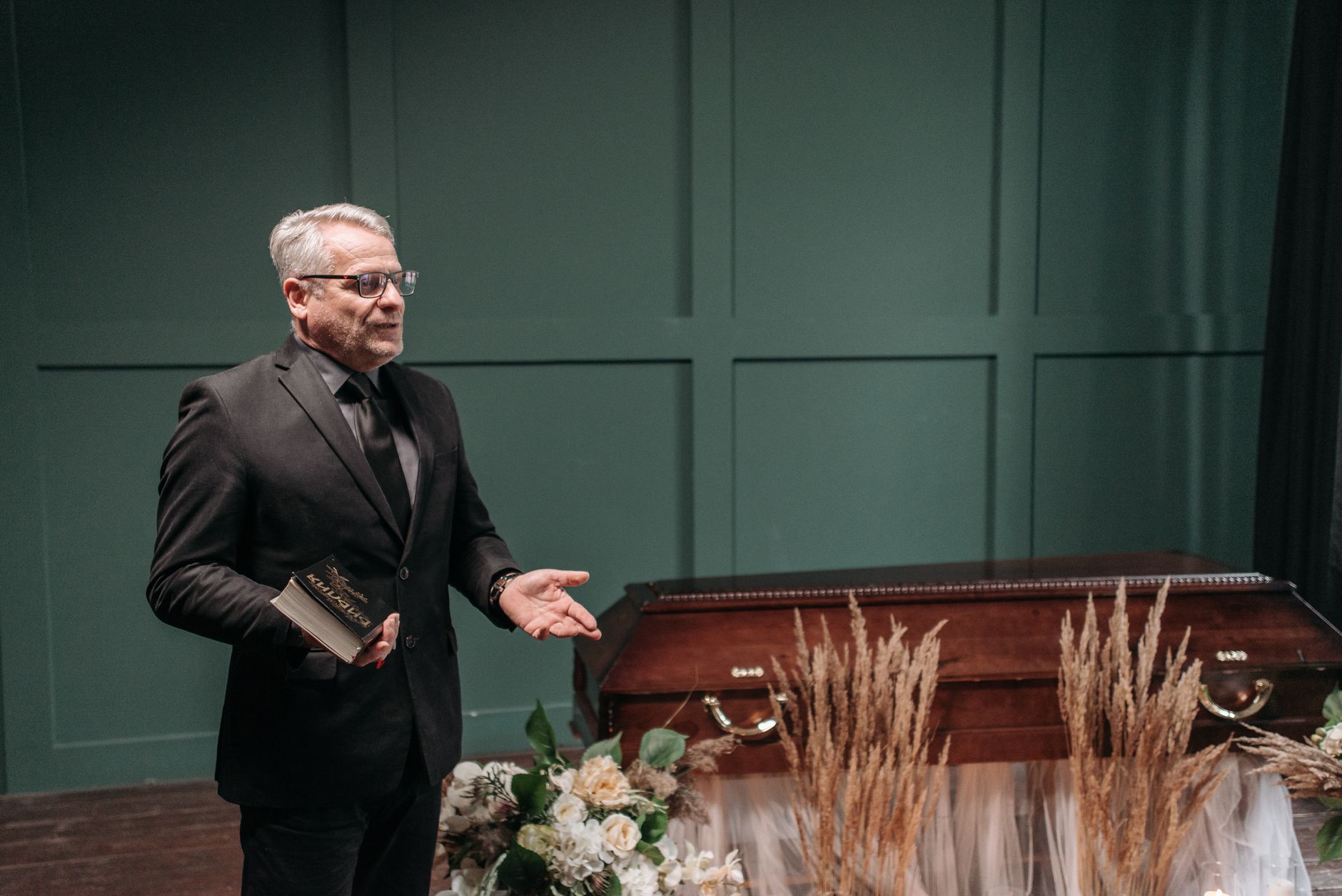
The Plain Pine Box Mama Asked For
Noreen stared at me a long moment. Then she turned and walked out through the glass doors, and they sighed shut behind her, and through the window I watched her sit down in her husband’s car and put both hands over her face.
I signed the order with a pen that was shaking just enough for Gordon to notice. He noticed. He was kind enough not to say.
I should tell you who we are, because none of what came after will make sense without it.
My name is Glenda Fisk. I am sixty-two, and I have lived in Aldous, Iowa, nearly all my life. Aldous has nineteen hundred people, one stoplight, a Lutheran church, a Methodist church, and a grain elevator, which my husband Bernie managed for thirty-four years. Our son Travis farms rented ground east of town.
My mother was Irene Hadley. She was eighty-eight when she died. For thirty-one years she was the head cook in the lunchroom at Aldous Consolidated School, which means that for thirty-one years she was up at four to get the rolls rising, and for thirty-one years she knew which children came to school hungry and which ones came to school ashamed of it, and she knew the difference.
She had a rule in that lunchroom. Nobody ever saw a child’s debt. If a kid’s lunch account ran empty, Mama slid the tray across the same as always and quietly put a dollar of her own paycheck in the till. Nobody ever asked her to. Nobody ever knew it but the secretary, and the secretary kept it to herself.
I did not learn the size of that habit until I was an adult. I am not sure Mama herself could have told you the total.
My father, Arlen Hadley, farmed a hundred and sixty acres south of town and died in the barn on a cold Tuesday in February of 1988, of his heart, at fifty-two. I was twenty-four and already married. Noreen was twenty-one, a senior at Iowa State in Ames. If you remember the farm crisis, you know what that winter was in this part of the country. Banks were calling notes, and half the men we knew were quiet in a way that frightened their wives.
We were not a family with money to spare. We were a family with a note at the bank and a widow to feed.
Mama lived in her own little white house on Cedar Street until she was eighty-six. Then a fall and a pneumonia took the steam out of her, and she came to live in the back bedroom of our house, the one with the window that looks out on Bernie’s garden. Noreen lives in West Des Moines, an hour and a half away, with her husband Gary, who sells trucks. She called Mama every Sunday afternoon and came out about once a month.
Over those two years, Mama and I had a good many talks in the evening, usually in the kitchen, usually with her feet in a dishpan of warm water and Epsom salts. She was a plainspoken woman who said what she meant and then went on to the next thing. She did not like to be fussed over. She hated a casserole dish she had to return.
“When I go, I want pine,” she told me, the first time. She said it the way you would tell somebody what you wanted on a sandwich. “Plain pine, Glenda. No satin, no brass, no fuss.”
“Mama, don’t talk like that.”