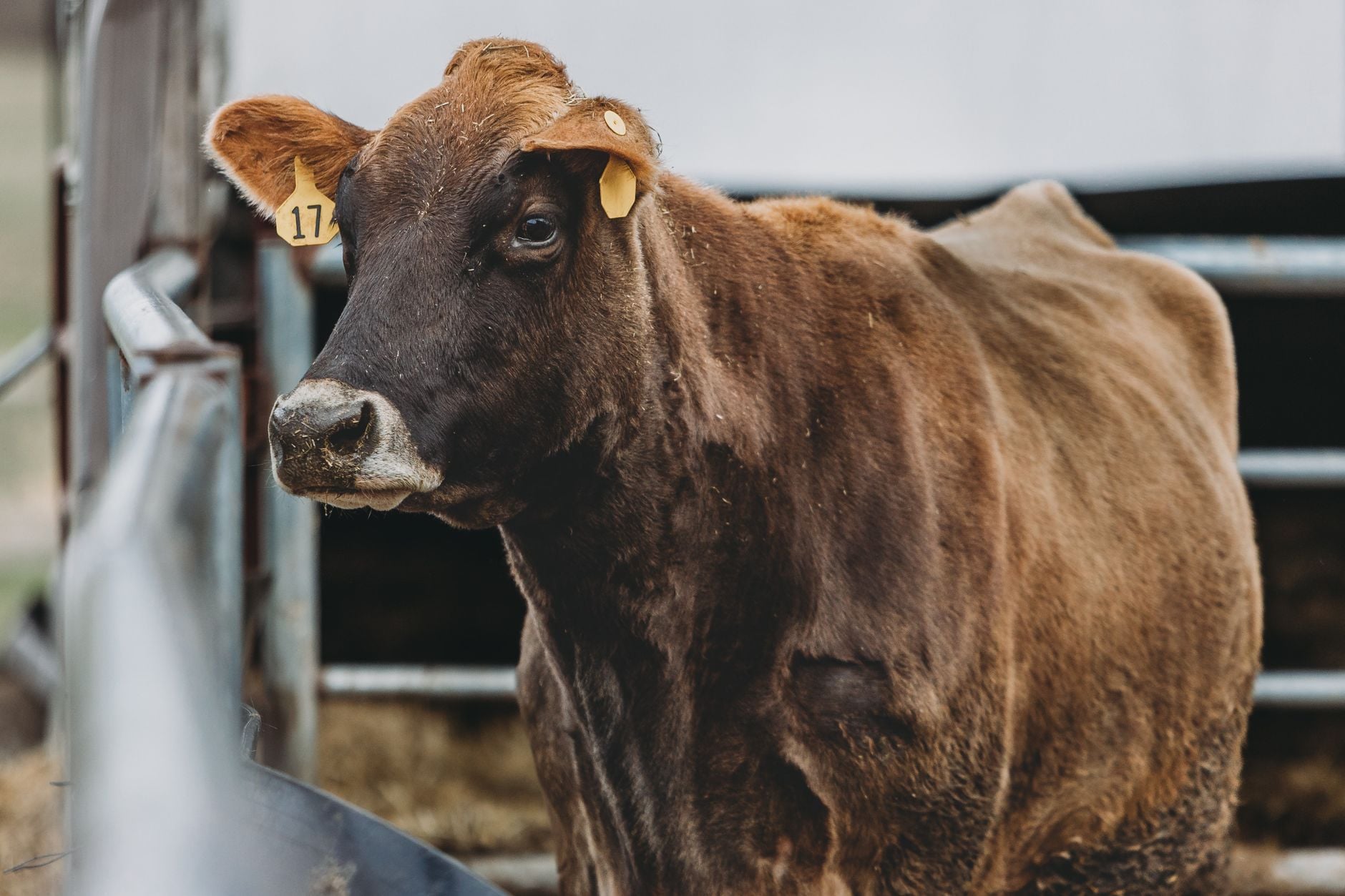
The Calves My Kids Sold Themselves
Sam asked it at Sunday dinner in February, with a mouthful of mashed potatoes and no idea he was setting a match to anything. He was eleven. He just wanted to know.
“Grandpa, how much did my cow’s calf bring this year?”
Vern did not look up from his plate. He cut his roast beef into three neat pieces, the way he always did, and he chewed the first one before he answered.
“Feed bill ate it,” he said. “Same as every year. Pass the gravy, Ellie.”
Ellie passed the gravy. Mason, who was almost fourteen and had started noticing things, looked at me across the table. I looked at my plate. Cody, beside me, set his fork down very carefully.
We drove home in the dark, all five of us in the pickup, and nobody talked. Sam fell asleep against Ellie’s shoulder before we hit the highway. Mason stared out the window at the black hills going by.
I knew what Mason was thinking, because I had been thinking it for six years. I just had never said it out loud in front of the kids.
I should tell you how it started, because it started out as something kind.
Mason was born in March, fourteen years ago, during a late snowstorm that buried the calving lots. Vern came to the hospital in Valentine still wearing his overshoes. He stood at the foot of my bed with his hat in his hands and his face red from the wind.
“Got a heifer calf out of my best cow this morning,” he told me. “She’s his. Every ranch kid needs a cow.”
I cried. I was tired and full of hormones and I cried, and Cody’s mother, Joan, patted my hand and told Vern he was a softie. He said he was no such thing. He said it was just good business, starting a boy out right.
Two years later Ellie came, and Vern did it again. A year after that, Sam. Three heifer calves, one for each of my children, picked out of his own herd and given away with a handshake and a grin.
They ran with his cows, of course. We lived in town then, in a little house by the elevator, and we had no place to keep cattle. Vern had the home place, eleven sections of Sandhills grass that his grandfather had homesteaded. Three more cows were nothing to him.
A heifer has her first calf at about two years old, if things go right. Mason’s heifer calved the spring he turned two. Ellie’s and Sam’s followed in their turn. And every October, Vern weaned those calves and hauled them to the Thursday sale with his own.
When Mason was eight, he wanted to go to a summer camp at the 4-H grounds. It cost two hundred and forty dollars, and we did not have two hundred and forty dollars that June. Cody’s hours had been cut, and the clinic where I work the front desk was slow.
I thought about Mason’s cow. By then she had had six calves. I did the math on the back of a feed store receipt and my hand shook a little, because the number was bigger than our savings account.
So I drove out to the home place one evening while Cody was still at work. Vern was in the shop, greasing the swather. Joan had passed that winter, and the house behind him already looked like nobody swept it anymore.