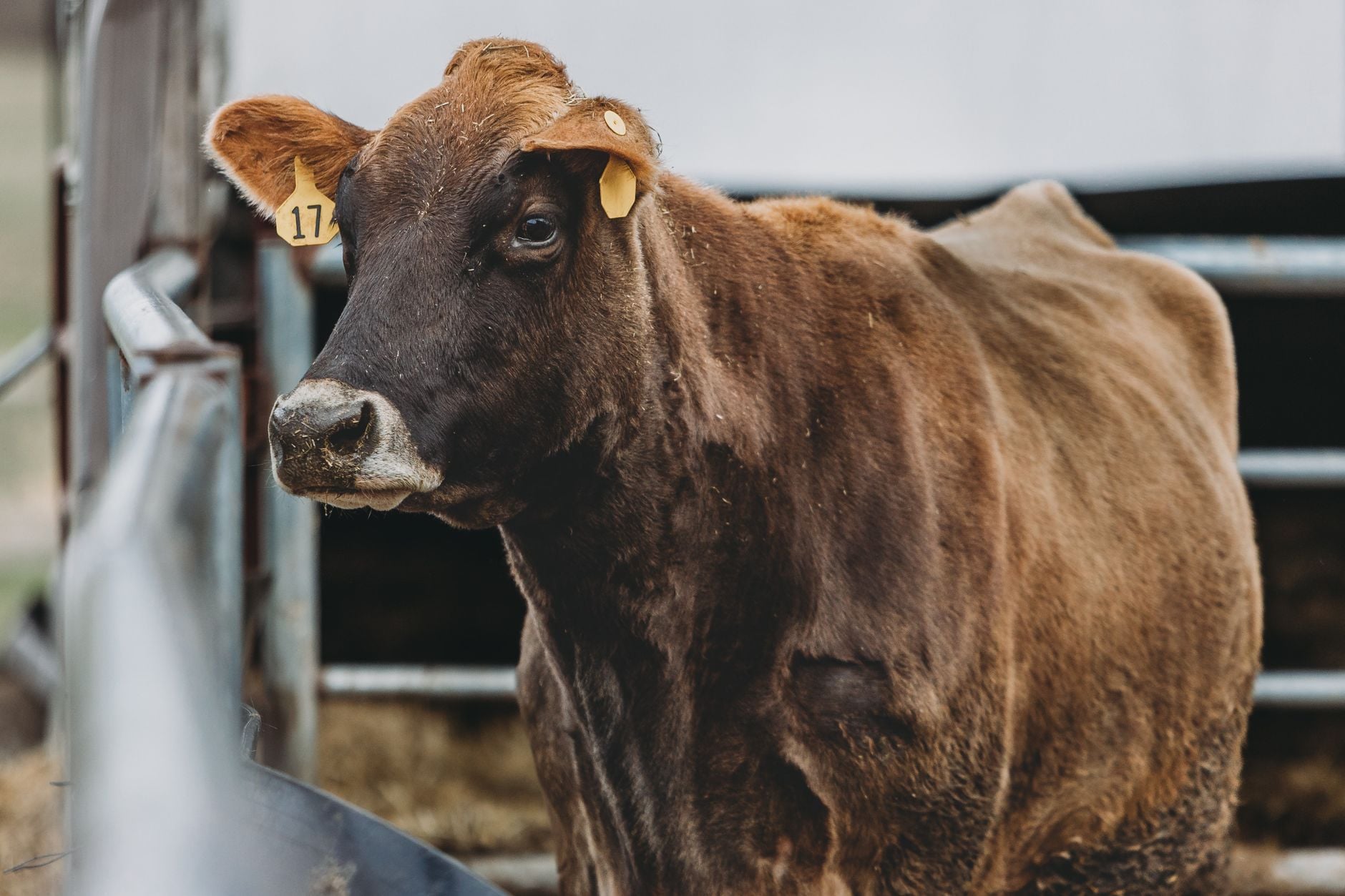
The Calves My Kids Sold Themselves
“Vern,” I said, “I wondered if some of Mason’s calf money could go to his 4-H camp. It’s two hundred and forty dollars.”
He wiped his hands on a red rag and looked at me for a long time. He was not angry. That was the worst part. He looked at me like I was a child who had asked for the car keys.
“Feed,” he said.
“I’m sorry?”
“Those cows eat my hay, Jodie. They graze my grass. Calf money goes to feed. That’s how a cow pays her keep.”
“All of it?”
“Kids don’t need money,” he said. “Kids need to learn to work. When they’re grown, we’ll talk.” Then he went back to greasing the swather, and that was the end of it.
I want to be honest about why I did not fight it, because I know some of you are already saying you would have.
Those cows did eat his hay. They did graze his grass. A man who feeds another person’s cow for ten years has a fair claim to some of what she earns. Whether he had a claim to all of it was arguable. It was not a crime.
And Cody was never going to take his own father to court. Not over cattle, not over money, not over anything. Cody’s mother was barely in the ground, and Vern was alone on that place with nobody but the dog.
I talked to Cody that night. He listened all the way through. Then he rubbed his eyes with the heels of his hands, the way he does when he is tired from the road crew and tired of everything else besides.
“He’s my dad, Jode,” he said. “Let me think about it.”
He thought about it for six years. I don’t blame him. I let it go too. Mason went to 4-H camp the next summer on money I made cleaning the church on Saturdays. The calves kept selling. The kids kept not knowing.
So it was six years later, on that February night after Sunday dinner, that I found Cody sitting at the kitchen table at eleven o’clock with the lights off and a cup of cold coffee in front of him.
I sat down across from him. Neither of us turned on the light. The refrigerator hummed, and down the hall I could hear Sam talking in his sleep, which he has done since he was three.
“Thirty-one calves,” Cody said finally.
“You counted.”
“I counted. Mason’s cow has had twelve. Ellie’s has had ten. Sam’s has had nine. Calves have been bringing a lot lately, Jode. Call it twelve or thirteen hundred a head on average, over all those years.”
“About thirty-eight thousand dollars,” I said. I had done the same math a hundred times.
He nodded slowly. “About thirty-eight thousand dollars. And Sam doesn’t even know his cow is worth anything.”
I waited. I had learned a long time ago that with Cody, you wait. He works the county roads. He grades gravel in July and plows drifts in January, and he does not decide anything fast.
“They’re the kids’ cows,” he said. “Let’s let them be the kids’ cows.”
“What does that mean?”
“It means we bring them home. We find grass. The kids feed them. And this fall, the kids sell their own calves.” He turned the coffee cup in a slow circle. “Dad can’t call it feed if he isn’t feeding them.”
“He’ll be hurt.”