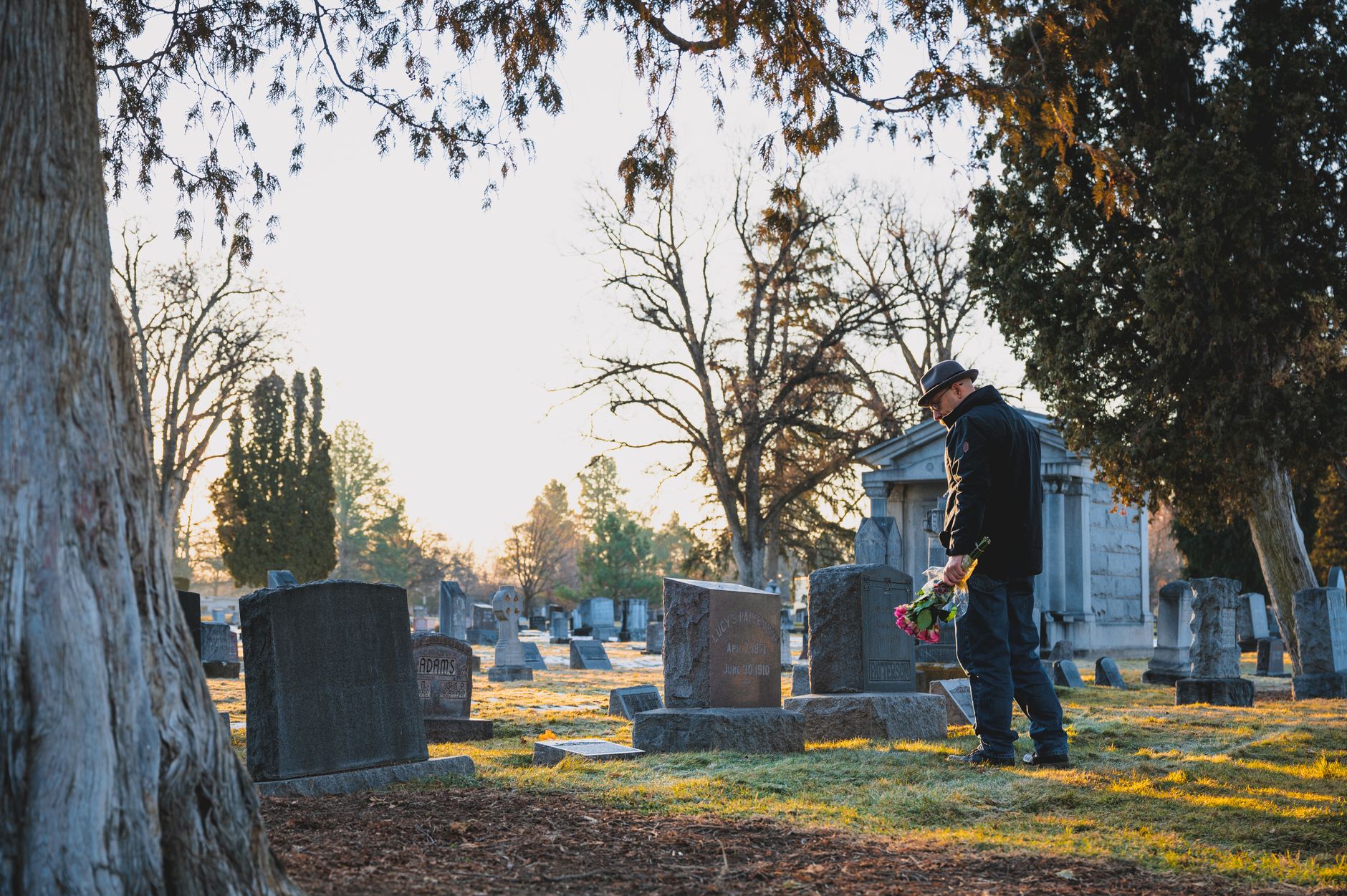
The Grave I Dug for My Father
Dale Becker slid the little cream card across his desk with two fingers, the way you’d push a plate toward somebody who already told you they weren’t hungry.
He didn’t look at me while he did it. He looked at the box of tissues by the lamp.
“Lyle dropped these names off Tuesday,” he said. “For the pallbearers. I just want to make sure everybody’s on the same page before I run the last copies of the program.”
I picked it up. Six names, in my brother’s square handwriting, the same block capitals he’d used on feed tickets and 4-H forms since he was twelve years old.
Lyle. His boy Matt. Our cousin Gene. Jim and Don from the coffee table at the elevator. Wayne from the next section over.
My name wasn’t on it. I read it twice to be sure, the way you check a pipe weld you already know is bad, hoping the second look will tell you something different than the first one did.
Dale cleared his throat. He was sixty or so, gray at the temples, and he had buried half of Harper County with that same soft voice.
He’d buried my mother. He’d known my dad for forty years, because my dad had dug the holes for most of the people Dale ever buried.
“He said,” Dale started, and then he stopped and started over, because he was a decent man and he wanted to get it right. “Lyle said the men who stayed will carry your dad. He said you’d understand.”
The men who stayed. I sat there with the card in my hand and felt my face go hot, and I kept it still anyway, because I’d learned a long time ago that my face was the only thing in a room I could control.
I had just written Dale a check. It was still lying on his blotter between us, the ink not quite dry, nine thousand four hundred dollars against a twelve thousand dollar bill.
Casket, vault, the service, the hearse, the flowers for the top. Lyle had put in what he could, which was twenty-six hundred, with the beans still in the field and the price of everything up.
I wasn’t sorry about the check. I want to say that plain.
Dad was my father too, and I had a good job, and Lyle had a farm that ate every dollar he ever made. That’s just arithmetic. It was the card I couldn’t make sense of.
“I’m sorry, Rick,” Dale said. “I can talk to him if you want me to.”
“No,” I said. “Send it like it is.”
He looked at me then, finally, over the top of his glasses. I think he’d been braced for me to raise my voice.
I didn’t raise mine. I folded the card once, put it in my shirt pocket, shook his hand, and walked out to the truck where my wife was waiting with the heater running and the radio off.