The Daughter Who Cleans Floors
“Oh, and this is my other daughter,” my mother said, lifting her wineglass toward me the way you might point out a coat rack. “Carla cleans floors.”
Fifty people turned around to look.
I want to start there, because that is the moment my whole life split into a before and an after, and I did not know it yet. I only knew that my face was hot and my jaw was relaxed and my eyes were soft. Twelve years of practice. I could have held that expression through a house fire.
“Every family’s got one,” my father said.
Herb Jarvis has never passed up a laugh, and he has never once cared who pays for it. The room gave him what he wanted. A man at the back table clapped. A woman near the quartet covered her mouth, the way you do when you are not sorry at all. Forks lifted again. The string music started up where it had left off, a little brighter now, as if everyone had agreed that the unpleasant part was over.
I smiled and picked up my water.
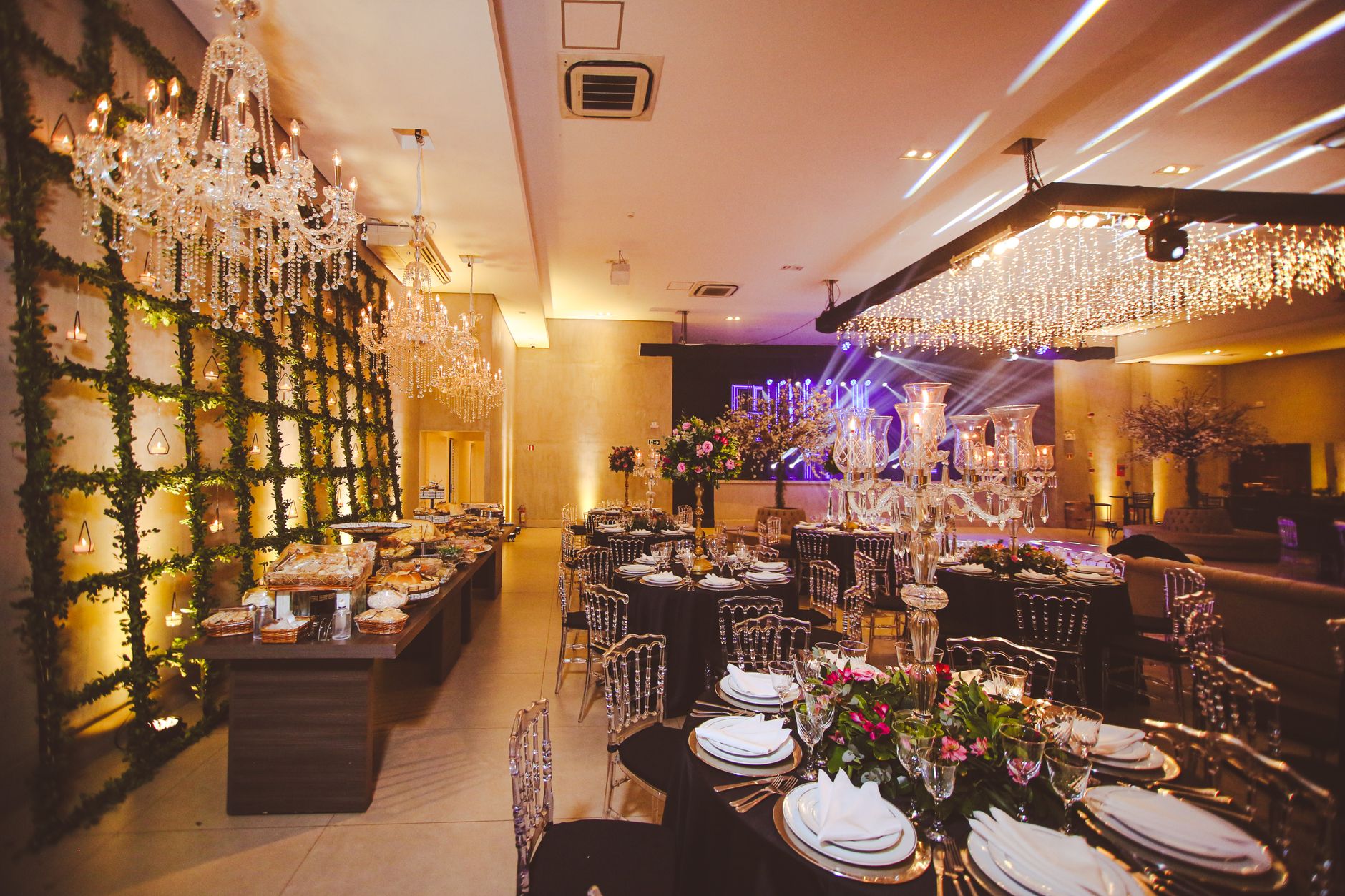
The engagement party was at the Harlan Creek Grange Hall, which my mother had spent two months turning into something it was never meant to be. A string quartet from the college, wedged into the corner beside the coat rack. Fifty guests, give or take, and every one of them a person whose opinion my mother had spent her whole adult life managing.
My sister Kay was at the head table in an ivory dress, glowing, with Jack Keller’s hand resting on the small of her back. I was glad for her, and I want you to know that. Whatever else is true in this story, I was glad for her. She was marrying a kind man, and she looked happy, and for ten minutes at the start of the evening I had let myself believe that I might get through the night as just a sister.
Then my mother had picked up her glass.
The Seat By The Kitchen Doors
The invitation had come by text eleven days earlier, and it had come from Kay, not from my mother. “Party Saturday at the Grange, 5 o’clock. Mom says she could use you early if you’re free.”
Could use me early.
I should have understood it then. I arrived at three, two hours before the guests, in the navy dress I had bought for the occasion, and found my mother standing in the entry with a clipboard and a look of strained patience.
“Slush,” she said, pointing at the tile. “The caterers keep tracking it in. You’re good with floors, Carla. Would you mind?”
Would you mind. As if there were an answer that would have changed anything.
So I got down on my knees in my good dress, in a Grange Hall vestibule, with a kitchen towel, and I wiped the entry tile. While I worked, my mother told the florist that I was “handy that way,” and the florist gave me a small, embarrassed smile that I have been grateful for ever since.
At four-thirty I stood up, washed my hands, fixed my hair in the ladies’ room mirror, and went to find my seat.
The place cards were calligraphy on thick cream stock. Kay’s was at the head table, under the biggest chandelier. Jack’s parents had the two seats beside hers. My parents sat at the next table, front and center, so that everyone who wanted to congratulate them would have to walk past the whole room to do it.
My card said, in that same careful hand, “Kay’s sister.”
Not my name. Just who I was in relation to someone else.
It sat at the last table, right beside the swinging kitchen doors, where every waiter coming out with a tray brushed the back of my chair. I moved my chair in a few inches. I laid my napkin across my knees. I had a clear view of the head table, and of the swinging doors, and of the seam in the wall between the two worlds in that room.
I had been put exactly where my mother’s version of me belonged.
Then the toasts began, and then my mother stood up with that wineglass, and she did what she did.