The Daughter Who Cleans Floors
The Part Nobody Warns You About
I thought that would be the end. It was not.
And my mother came toward me through all of it with her arms out and her smile on.
“Carla,” she said. “Sweetheart. Oh, my goodness. Why didn’t you tell us?”
I looked at her for a long moment.
“I did tell you, Mother,” I said. “Two years ago, on the phone, when I won the contract with the health system. You said, ‘Hold on, honey, Kay’s on the other line.’ You never came back.”
Her face did something complicated.
“And I told you every Christmas that I was busy. And every Thanksgiving I told you I was fine. You never asked a second question.”
“Carla,” my father said, stepping up behind her. He had put his smile back on, and it did not fit. “Come on now. That was a joke. You know your mother. We were just ribbing you.”
“Dad,” I said, “you told fifty people I was the one every family has.”
He opened his mouth.
“You said it with a laugh,” I said. “And I laughed too. I have laughed at that for twelve years. I am finished.”
I took off Ira Keller’s jacket, folded it over my arm, and I said, to the whole hall, in a voice I did not recognize as my own, “I am not angry. I want to be very clear about that. I am just done being introduced that way.”
Nobody said anything.
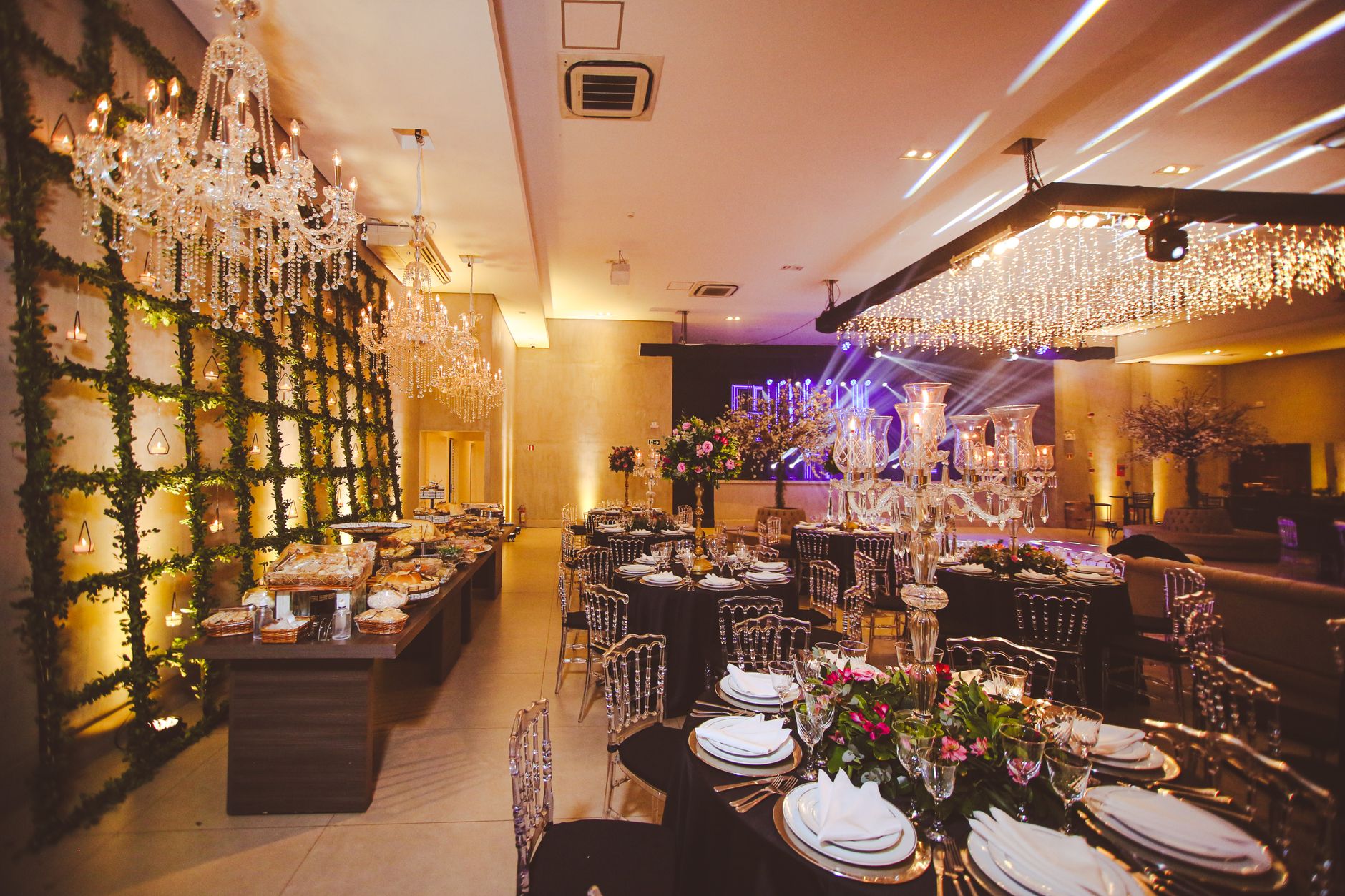
My mother’s friends from church were gracious to her that night, and kind, and not one of them met her eyes. Every guest was going home to tell this story at the next potluck, and there was no version of it that did not begin with my parents laughing. My mother had built the whole evening so people would think well of her, and she would be remembered in that room as the woman who said “cleans floors” to the daughter who saved the groom’s father. I did not do that to her. I simply stopped holding it up.
My Sister
Kay found me in the vestibule.
It was nearly nine. The cake had been cut. The quartet had played “Moon River” twice, and I was standing at the entry tile I had washed that afternoon, working out whether I could leave without making a scene. She came through the double doors in her ivory dress with her mascara ruined and stopped three feet from me.
“Carla,” she said.
“Hi, Kay.”
“I did not know.” Her voice was small. “About any of it. The company. The creek. I swear to you.”
“I believe you,” I said. “That is the part that hurts.”
She flinched.
“You did not know because you did not ask,” I said. “And I do not think it is only because you are selfish. I think you learned early what happens to the person who asks Mom the wrong question.” I tried to smile at her. “I do not blame you for that. I did the same. For years.”
“I laughed,” she said. She was crying openly now. “When she said it. I was sitting right there, and I laughed, Carla, I laughed along with them. And I have been sitting in that room for forty minutes thinking, that is who I am. That is exactly who I am.”
“It is who you were for about three seconds,” I said. “I would not choose that for a lifetime.”
She covered her face with both hands.
I did not hug her at once. I am not made that way, and I will not pretend I am. But after a minute I put my hand on her shoulder, my left hand, and she looked at the scar and then at me, and she took the hand in both of hers and held it against her cheek.
“I would like to know you,” she said. “If you would let me. Not for tonight. For the rest of it.”
“All right,” I said. “Dinner Thursday. Just us. You pay.”
She laughed through her tears, a short bright startled laugh that sounded like the girl she used to be.
“I will pay,” she said.