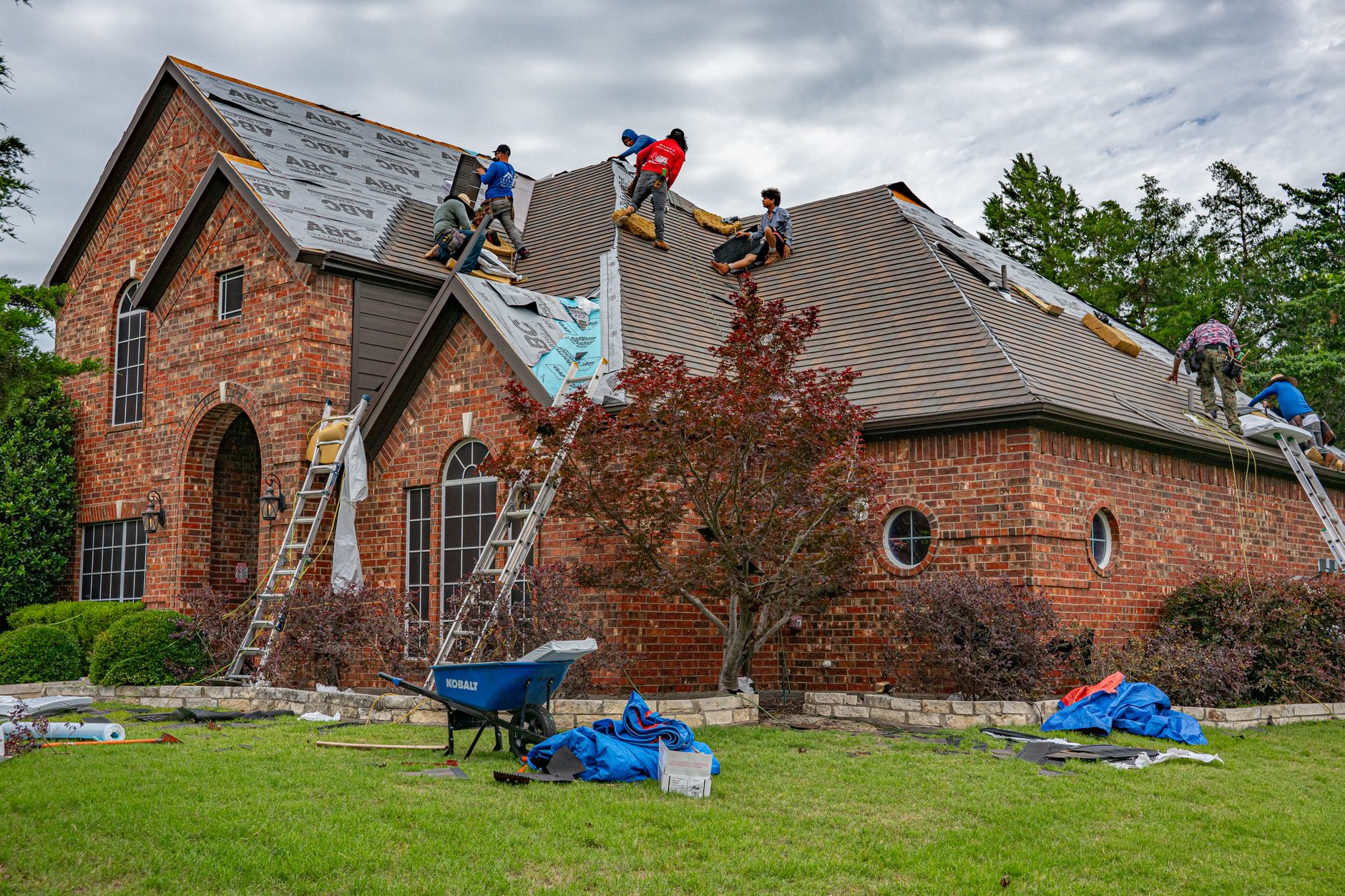
The Roof Done by Dark
“Come down here, Ryan,” she said. “There’s something you need to know, and he can’t say it, so I’m going to.”
I came down the ladder. My legs were shaking from the day. Dusty and the crew stayed up on the roof, packing tools, pretending not to listen, the way good men do.
“You remember Houston,” Marlene said.
I remembered Houston. It had been Amanda’s second opinion, the big cancer center down there, the summer before last.
A newer treatment they could not give her in Oklahoma, one we thought might buy her more time. It did buy her some.
“You remember Amanda told you a foundation paid for it,” Marlene said. “The part your insurance wouldn’t cover. The out-of-network part.”
“Some cancer charity,” I said slowly. “She had a letter. She said they covered everything past what the plan paid.”
Marlene shook her head. “There wasn’t any foundation, honey. We paid it. Forty thousand dollars, a little more. Most of everything we had saved. Gordon cashed in his retirement from the co-op to do it.”
I stood there in the yard. I could hear the crew on the roof gone completely still.
“She made us promise,” Marlene said. “She said you were already working seven days a week and not sleeping, and if you knew we’d done it, you’d go out and work yourself into the ground to pay us back. She said, Mama, he’s got enough. Let me give him one thing he doesn’t have to carry.”
“The letter,” I said.
“She typed it up herself on the library computer,” Marlene said, and she laughed a little, and then she was crying. “She was always the smart one.”
The rest came out a piece at a time, standing in that red dirt yard with half the street watching.
After Houston, the money was gone. The homeowner’s premium came due in January and they could not make it in one payment.
They called the agent and asked for time, and they got some, and then Amanda’s last scans came back in February and nothing else in the world seemed important.
The cancellation notice came in March. Marlene put it in a kitchen drawer. She meant to deal with it.
Then hospice, then the hospital bed, then the funeral, and then, two days after they put their daughter in the ground, a hailstorm that tore their roof off.
“We had nothing left, Ryan,” Gordon said. It was the first full sentence he had managed.
“Nothing. And the bank in Clinton wouldn’t touch a loan on a house with no coverage. And I sat in my truck outside your place for an hour before I came in that night. I knew it was wrong. I didn’t know what else to do.”
“You could have told me,” I said. “About Houston. About any of it.”
“She asked us not to,” Marlene said. “She was our girl. What were we going to do, break the last thing she asked us for?”
I did not have an answer to that, because it was the exact same reason I had said no to them at my kitchen table.
Gordon put his cap back on, reached into his back pocket, and pulled out a folded check. His hand was shaking.
“It’s not all of it,” he said. “It’s what’s left in checking. Two thousand. For the materials, at least. I won’t have you out the materials.”