The Day Daddy Sat at the Rail
Daddy lifted two fingers off the rail. That was his answer. Two fingers, the same way he waves at a pickup on a gravel road.
I put my hand over my mouth. I could not help it.
I looked up at the far side. Kyle had not tipped anything, because he did not know where to put himself. He was sitting very still.
Nobody up there was looking at him. They were all looking at my father. I think that was worse for him than if they had been looking at him.
Then Ron hit the button and started the bid, and his voice went up into the song, and the order buyers started lifting fingers.
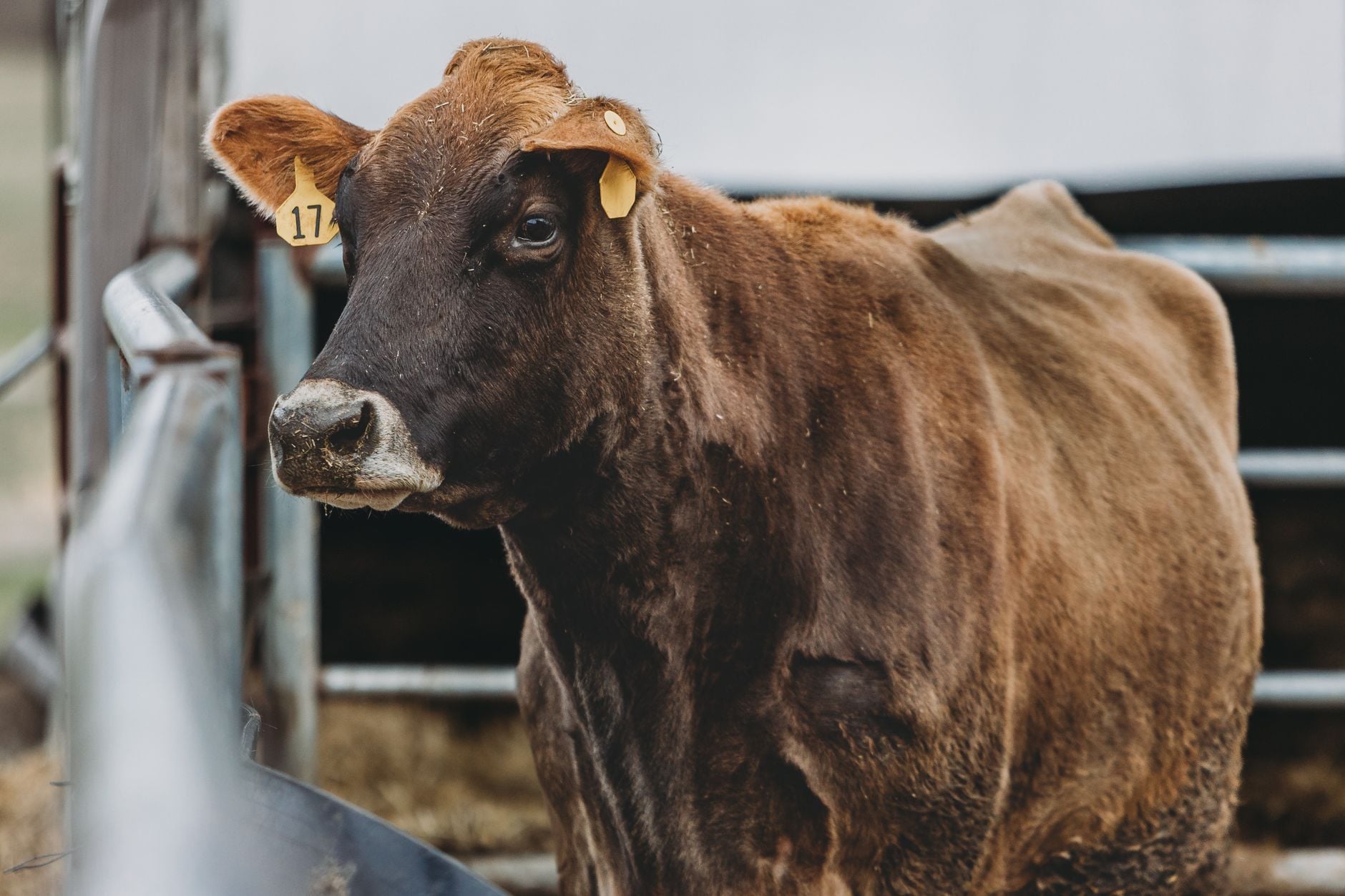
The heifers averaged four hundred and sixty pounds and brought three hundred and thirty-one dollars a hundred.
That works out to something over fifteen hundred dollars a head. Daddy did the math in his head before the clerk had it on the screen. I saw his lips move.
When the gate opened and they went out, the man in the row behind us leaned down and patted Daddy on the shoulder, the good one. “Nice set, Lloyd,” he said.
And another one said, “Them are Lloyd’s kind of heifers,” and that was all, but Daddy nodded at both of them.
That is when I felt somebody come down the steps beside me, and it was Dennis.
He was supposed to be at the elevator. It was the middle of fall harvest.
There would be trucks lined up out to the highway with beans. But he was standing there in his elevator jacket with his cap in his hand.
“Took my lunch early,” he said. “Kenny’s running the scale.” He did not say anything else.
He just stood there beside me with his shoulder against my shoulder, and he looked up at the bleachers, and he saw his son.
Kyle saw him too. I watched the two of them look at each other across that whole ring.
Dennis did not glare. He did not look away either. He just held it, steady, like he was waiting.
Then Kyle got up and went down the steps on the far side and out the door toward the pens.
“Well,” Daddy said. “I’d like a piece of pie.”
We had pie in the café. Daddy had cherry. Dennis had coffee and nothing else. People kept stopping at our table.
A man who had farmed next to my grandfather. A woman whose husband had died last spring, who held Daddy’s hand a long time and told him he looked well.
Nobody said a word about Kyle. Nobody had to. In a town like ours, when a man’s name gets called over the speaker like that and the whole barn tips its caps, everybody knows the man in the seats who hauled for him the last two falls is not hauling for him anymore.
That was the consequence. Not a courtroom. Just a barn full of men who had all seen who was sitting at the rail, and who was not.