The Day Daddy Sat at the Rail
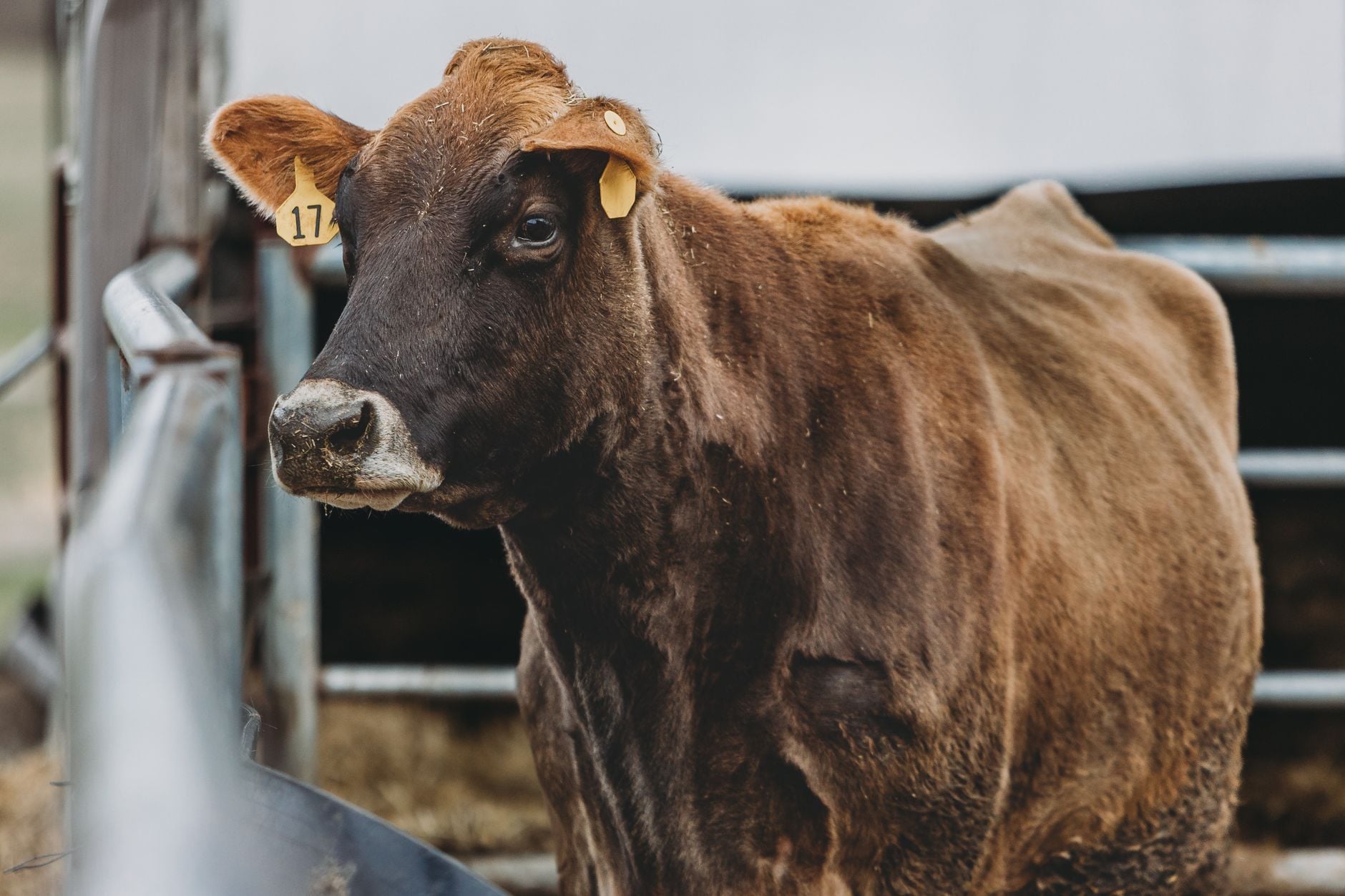
Tag number, date born, steer or heifer, which cow. Thirty cows, twenty-eight live calves that spring. Five heifers kept back. Twenty-three should have sold.
The statement said nineteen.
I counted it four times. I went back to the year before and it was the same. Twenty-four should have sold. The statement said twenty.
My first thought was that the barn had made a mistake. My second thought was that Daddy had lost calves and was too proud to tell me.
I asked him. He looked at me over his glasses like I had insulted his cows.
“I didn’t lose any calves, Shelly. Kyle said the barn sorted some off.”
I went home and I did not sleep. On Monday I sat at the school library computer after the last bus left and I pulled up the sale barn’s market reports for the four sale days Kyle had hauled for Daddy.
Every sale barn posts them. They list the representative sales, the seller’s name and town, how many head, what kind, the average weight, and the price per hundred.
People in the country read them the way people in town read the stock page.
On all four days, right below a line that said Lloyd Ahlquist, Blue Hill, there was another line. Kyle Arneson, Blue Hill.
Two black calves, steers one sale and heifers the next. Four hundred and fifty pounds, give or take. Three hundred and some dollars a hundredweight.
Kyle did not own a cow. He had not owned a cow in two years.
And his town on the report was my father’s town, because that is the address he gave the barn the first time, and they never changed it.
I printed them. I sat there in the library with the overhead lights clicking off one bank at a time behind me, and I cried a little, and then I added it up.
Eight calves at about fourteen hundred and fifty dollars each. Eleven thousand six hundred dollars, near enough.
More than my father clears on half his calf crop in a year after he pays for his hay and his vet and his fuel.
I told Dennis that night. I did not know how else to do it, so I put the reports on our kitchen table and the calving book next to them and I said, “I need you to look at this before I say anything.”
Dennis manages the grain elevator in town. He is a numbers man the same as me. He read every page.
He read them a second time. Then he put his hand flat on the table and he did not lift it for a long time.
“I’ll talk to him,” he said.
He drove out to Kyle’s place that same night. Kyle rents a little house on a gravel road north of town with a dog and a woodstove. Dennis was gone two hours. When he came back his face was gray.
“He didn’t deny it,” Dennis said. “He said he’d pay it back. He said he doesn’t have it right now.”
“Where did it go?”
“His truck payment. His rent. He got behind on everything after the cows were gone. He says he meant to pay Lloyd back before anybody knew.”