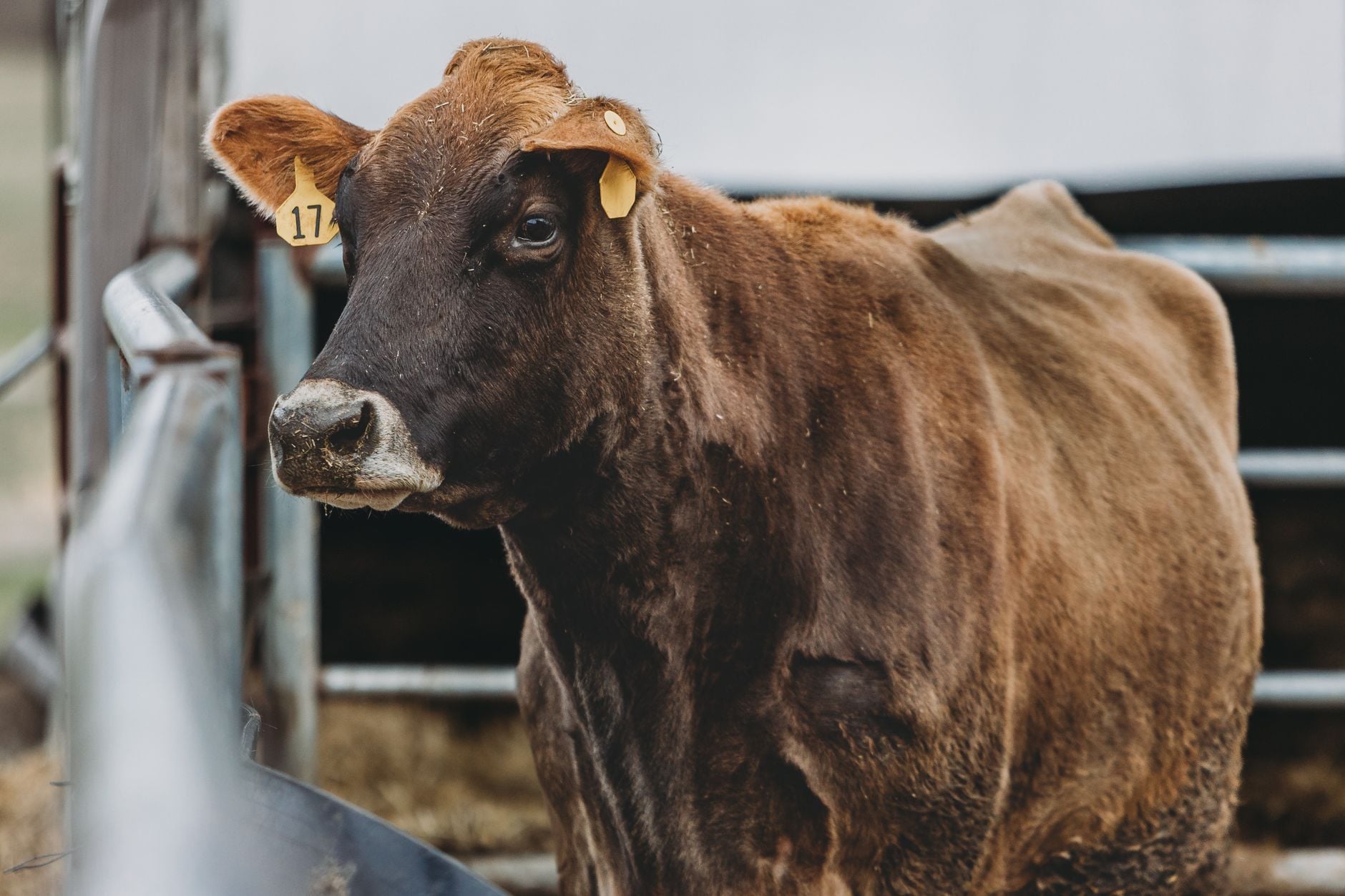
The Day Daddy Sat at the Rail
Then the drought came. Three dry summers back to back. The pasture burned up by July and hay went to a price nobody could pay.
Kyle sold his cows down a few at a time until there were none.
Dennis offered to help him then. So did Daddy. Kyle told them both he was fine.
He said it with his jaw set, the way his father says things, and nobody pushed, because in our family nobody pushes.
So when Daddy needed a hauler, Kyle was the obvious one. He knew the cattle. He knew the road.
Daddy paid him what he paid anybody, a dollar and a half a loaded mile plus his diesel, and Daddy was glad of it.
Daddy’s calves go to the sale in two drafts every fall. Steers the second week of October, heifers a week later, minus the four or five replacement heifers he keeps back for himself.
Kyle loaded them at the farm. Daddy stood at the alley gate with his arm in the sling and counted them up the chute, the way he has counted every calf he ever sold, out loud, under his breath.
Then Kyle drove them to the sale barn in town, the county seat, and checked them in at the office. And at the office, Kyle split the load.
That is how it hid. At a sale barn, when you bring cattle in, the hauler tells the yard crew and the office whose cattle are whose.
Twelve head on Lloyd Ahlquist’s ticket. Two head on Kyle Arneson’s. Nobody blinks. Haulers bring mixed loads all the time.
Each consignor’s cattle sell under his own name and the barn cuts each one his own check. Daddy’s check showed twelve head. Kyle’s check showed two.
Daddy did notice. I want that understood too. He noticed the very first time. He called Kyle and asked why his check said twelve when he had counted fourteen up the chute.
Kyle told him two were sorted off at the barn as plain calves, a little light, a little off, and they would sell later with the outs and the check would come separate. Daddy said all right. That happens. He has had calves sorted off before.
When the separate check never came, Kyle told him it would be on the year-end. Daddy said all right to that too.
He trusted the boy. He had taught the boy to drive a tractor at nine years old.
The year-end statement came in January, and Daddy put it in the rolltop desk with the rest of his mail from the barn without reading it, because he never reads it.
He brings it to me in February with the shoebox, and I do his taxes at his kitchen table.
That is where I found it. On the last Saturday in February, with the furnace ticking and a pan of bars cooling on the stove, I added up the head on the statement and they did not match the calving book.
Daddy’s calving book is a small green spiral book from the co-op. Every calf is in it.