A Pie for Every Thousand Dollars
The Potluck
Donnie’s church is a little white clapboard Baptist house out on the Marion blacktop, and their fall potluck fills the fellowship hall every year.
Every family in three townships comes to it, each one carrying a covered dish, so that pretty near the whole county ends up packed in under that one low ceiling.
We came in through the side door while the preacher was still up front saying the blessing, Mama and me, both of us carrying the first load on cookie sheets.
Dale and the kids came in behind us with the rest stacked in their arms. I will be honest. My heart was going like a cottontail caught out in the open.
Mama’s was not. She had put on her good blue Sunday dress, and she walked into that crowded hall steady and calm as any ordinary church morning.
There is a long folding table against the back wall where all the desserts go, and Mama walked straight back to it without stopping to speak to a soul.
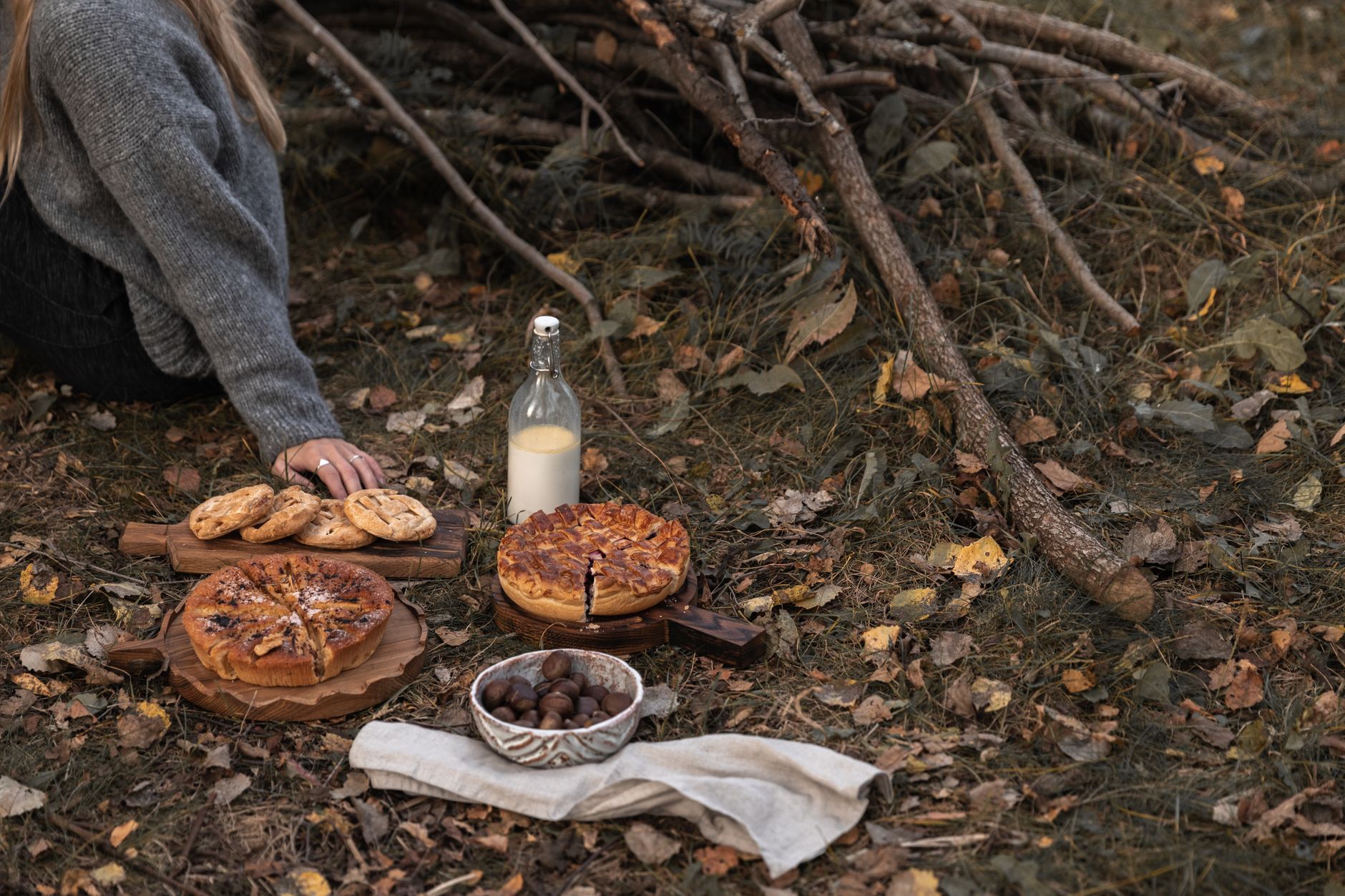
She began setting out her pies. One, then the next, then the next, going right down the whole length of that table without any hurry in her at all.
She set them out until the table could not hold one more, so two church ladies had to hustle and unfold a second table beside it, and soon that one was filling too.
People started to notice. You could feel the whole warm room turn slow toward that back wall, the way a field of beans turns to follow the sun.
A church potluck knows its own desserts down to the dish. Not one soul there had ever seen three dozen homemade pies come walking in at once in two women’s arms.
“Why, Lorene,” one of the older women called out, half of it a laugh. “Did you go and bake all of these yourself, honey?”
“Peggy and I did, the two of us,” Mama answered back. Loud enough for the room. Plain as creek water. “Thirty-eight of them, all told.”
The whole hall dropped a notch quieter at that. Mama did not wait for anybody to ask the next question. She went ahead and answered it for them.
“One pie for every thousand dollars of my hail insurance my son Donnie kept off our home place this past summer,” she said, straightening a card.
Somewhere off to my left a fork stopped in the air and clinked back down against a paper plate. After that you could have heard a pin drop on that tile floor.
“He told me insurance is for the farmer and not the landlord,” Mama went on, even and unhurried. “So it turns out I can’t buy my shed roof with it after all.”
“Lorene, now,” the woman started to say, but she had nowhere to take it.
“But it does appear I can feed his whole church with it,” Mama said. “So you all take one home tonight. There’s a card on every one. You’re welcome to it.”
She never raised her voice through one word of it. She never shed a tear. She said it in the same flat, neighborly way she would tell you the beans could use a rain.
And that, right there, was the thing that made the whole hall go dead still. It was not anger. It was the plainness. She only told the truth and set it on a table.
I found my brother’s face across that crowded room. He was standing by the big silver coffee urn with his wife, Brenda, a paper plate gone limp in his hand.
I watched every bit of the color drain out of him, from the collar up, the way water runs out of a sink when you pull the stopper.
Every last head in that hall had turned by now. First they turned to look at the pies. Then, slow and one by one, they turned to look at him.
He set his paper plate down beside the coffee urn. He took one single step toward where the two of us stood at the back.
His mouth came open to say something. And that whole roomful of his neighbors stood and waited to hear what in the world Donnie was going to say.