A Pie for Every Thousand Dollars
Thirty Eight Pies
I want to tell you about the baking itself, because the kitchen is where I finally understood what my mother had set her mind to do.
We baked four days straight through in her kitchen. I burned up the last of my vacation days from the clinic to stand there beside her and do it.
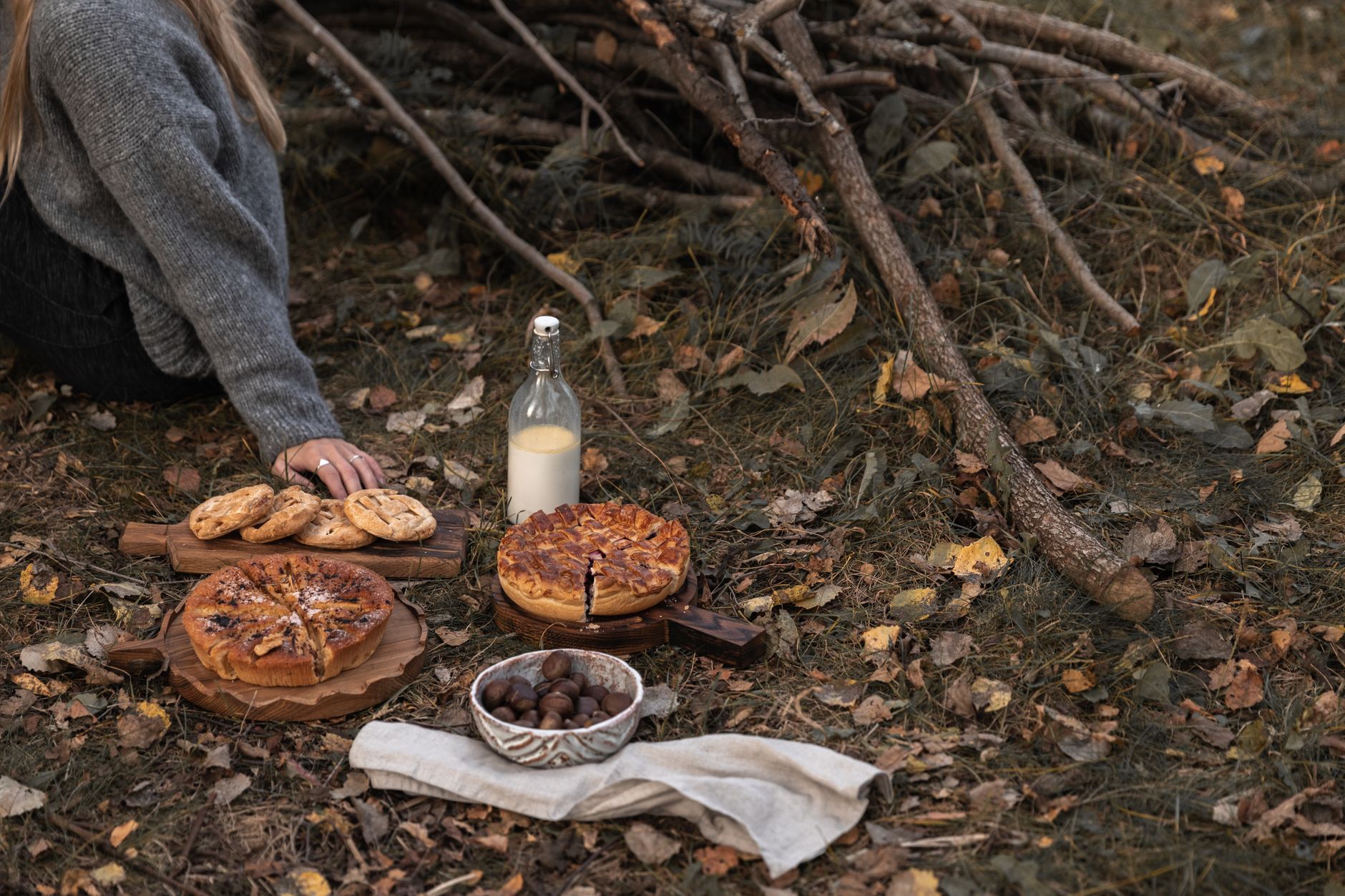
Apple came first, because the Hendricks orchard east of town had a heavy late crop that year and sold us two bushels of seconds cheap.
Then pumpkin, from the little sugar pumpkins Mama grows along the south fence of her garden, no bigger than a cat’s head.
Then pecan, which is a dear pie to make. But Mama said a thing worth doing at all was worth doing in pecan, and she would hear no argument.
And last, chess pie, which is nothing but eggs and sugar and a spoon of cornmeal and a splash of vinegar beaten together.
Chess pie is what the farm women here made when there was next to nothing left in the house. She made it on purpose, for exactly that reason.
Thirty-eight pies, all told. One for every thousand dollars Donnie had kept, and she counted them off out loud as the two of us worked.
My husband Dale hauled in the extra pie safes from the garage without being asked, and he drove to town for more flour twice when we ran short.
He never one time said a word about us being foolish. That is the kind of man Dale is. He asked me what we needed next and went and saw about it.
My own kids came by the house after school every one of those days and rolled pie crust until their arms gave out and there was flour worked up into their hair.
My daughter asked her grandmother, reasonable as anything, why we did not just put the apple money toward hiring the lawyer instead.
Mama floured her board slow and thought the question over like it deserved it, which it did. “Because a lawyer only talks to a judge, child,” she said at last.
“A pie,” she said, “talks to everybody.”
She had me letter a little card for every one of them. Nothing ugly. She would not stand for one spiteful word to leave that kitchen.
Just this, and nothing more. From the kitchen of Lorene, with love. And the day’s date written underneath in the corner.
Thirty-eight little cards in my own hand, with me doing my best to copy her shaky old Palmer script so every last one of them would match.
On the last night, past eleven, she was crimping the edge of the thirty-seventh pie, and I could see her hands had started to tremble from four solid days of the work.
She stopped. She looked out over the long rows of pies cooling on every flat surface that kitchen had, the table and the counters and the top of the deep freeze.
“Your daddy proposed to me at a church supper, you know,” she said, out of the blue. “Did I ever tell you that story, in all these years?”
“No, ma’am. You never did.”
“Nineteen and sixty-two. He brought me a slice of somebody’s jam cake on a little paper plate and asked, real shy, could he sit down by me and eat his.”
She reached up and wiped her eye with the back of her floured wrist. It left a long white streak across her cheek, and she never noticed.
“I am not doing all this to shame your brother, Peggy,” she said. “I need you to understand that, and believe it, before we carry these up there Sunday.”
“Then why, Mama? Tell me why.”
“So that he has got to stand there and look at it,” she said. “He has built himself a whole story where I am nothing but the landlord.”
She set the thirty-seventh pie careful on the rack and reached for the tin to start the thirty-eighth and last one.
“So let him stand in his own church home,” she said, “and watch his old mama feed his whole congregation out of the money he keeps telling me is not mine.”
“And then what happens, Mama?”
“And then,” she said, pressing the dough into the plate with her thumbs, “let him go right on telling himself that story, if he still finds he is able to. That is all I want. I want him to have to try.”