The Name That Stopped the Legion Hall
“I know she did.” He was quiet a minute. “But you didn’t. And when she’s ready, you’ll go see her, and it’ll be all right. It always is with you two. Eventually.”
It was not all right that night. Or Sunday.
By Sunday morning, the whole town knew. That is the consequence of doing anything in front of fifty people in a town of three thousand.
My Aunt Debbie called before church to ask what in the world had happened, because she had heard three versions already. In one of them, I snatched the knife out of Mama’s hand.
“I didn’t snatch anything,” I told Aunt Debbie. “She gave it to me. And I never said a word about money. I just told everybody the baby’s name.”
“Well, honey,” Aunt Debbie said, “it’s all over the Methodist church that Sheila tried to charge you two hundred dollars to babysit her own granddaughter, and I think it’s going to be a while before she shows her face at the grocery store.”
Opal called Sunday afternoon. She does not use a cell phone. She called the house line, which we only keep because she does not use a cell phone.
“I couldn’t sleep last night,” she said. “I kept thinking about that baby. Opal Clay. I never in my life thought anybody would name a child after me. I’m a lunch lady, Whitney.”
“You were a lunch lady for thirty years,” I said. “You fed every kid in that school. You fed Josh.”
“I want to tell you something,” she said, “and I want you to hear it, because I’m old and I’ve earned the right to say it. Your mother was hurting yesterday. I don’t know what over, but I’ve seen that look before. I saw it on mothers in my lunch line for thirty years.”
“What look?”
“The look of a woman who’s scared,” Opal said. “Not mean. Scared. A mean woman doesn’t cross her arms like that. She puts her hands on her hips. Your mother was holding herself together.”
“Go see her,” Opal said. “Not today. Let her have today. But go see her.”
Monday afternoon I left Dr. Hensley’s office at four and drove the eleven miles out to my mother’s place instead of going home.
She lives in the same little white ranch house I grew up in, on a county road west of town, with a carport and a chain link fence and a garden plot she keeps every summer.
Her car was in the carport. That surprised me. On a Monday at four thirty she should have been at the plant, or just getting off.
In twenty-two years I had never once known my mother to be home on a weekday afternoon unless she was sick.
The garden had not been picked. There were tomatoes splitting on the vine and cucumbers gone big and yellow.
I knocked on the kitchen door, the way I always have. Nobody in our family has ever used the front door.
I heard the television go quiet inside, and then her footsteps, and then she opened the door and looked at me through the screen.
She was in an old t-shirt and sweatpants. No makeup. Her hair was flat on one side like she had been lying on the couch.
“Hey, Mama,” I said.
“Hey.” She did not open the screen. “Did Josh send you?”
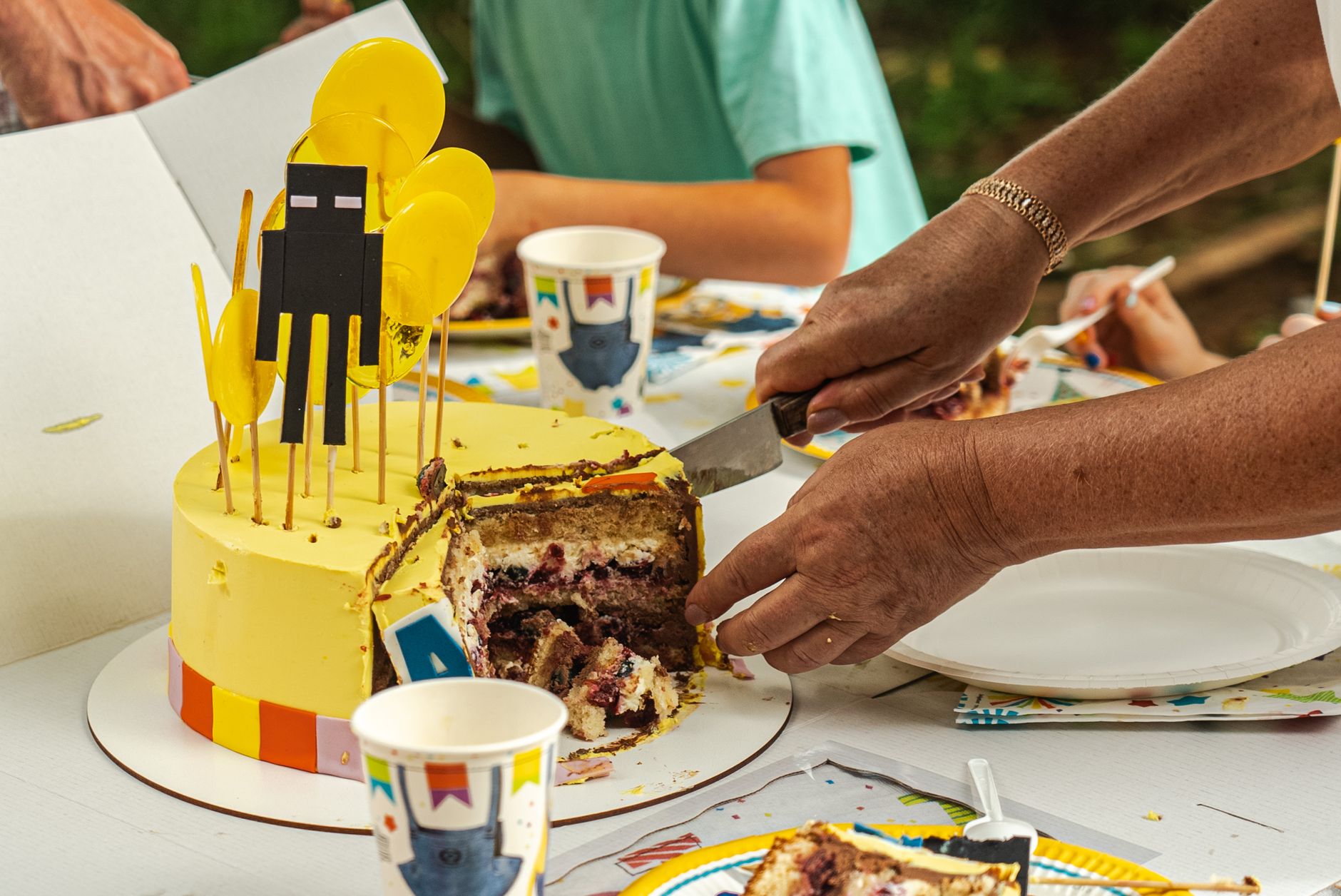
“No. I came on my own.” I held up the paper plate I had brought, covered in plastic wrap. “I brought you some of the cake. You didn’t get any.”