The Lawn Chair at the Bus Stop
I didn’t hug her. Not yet. I wasn’t ready, and I won’t pretend I was. She had lied to me every day for three weeks, and my daughter had paid for it with cold afternoons on a curb.
But I didn’t tell her to leave, either.
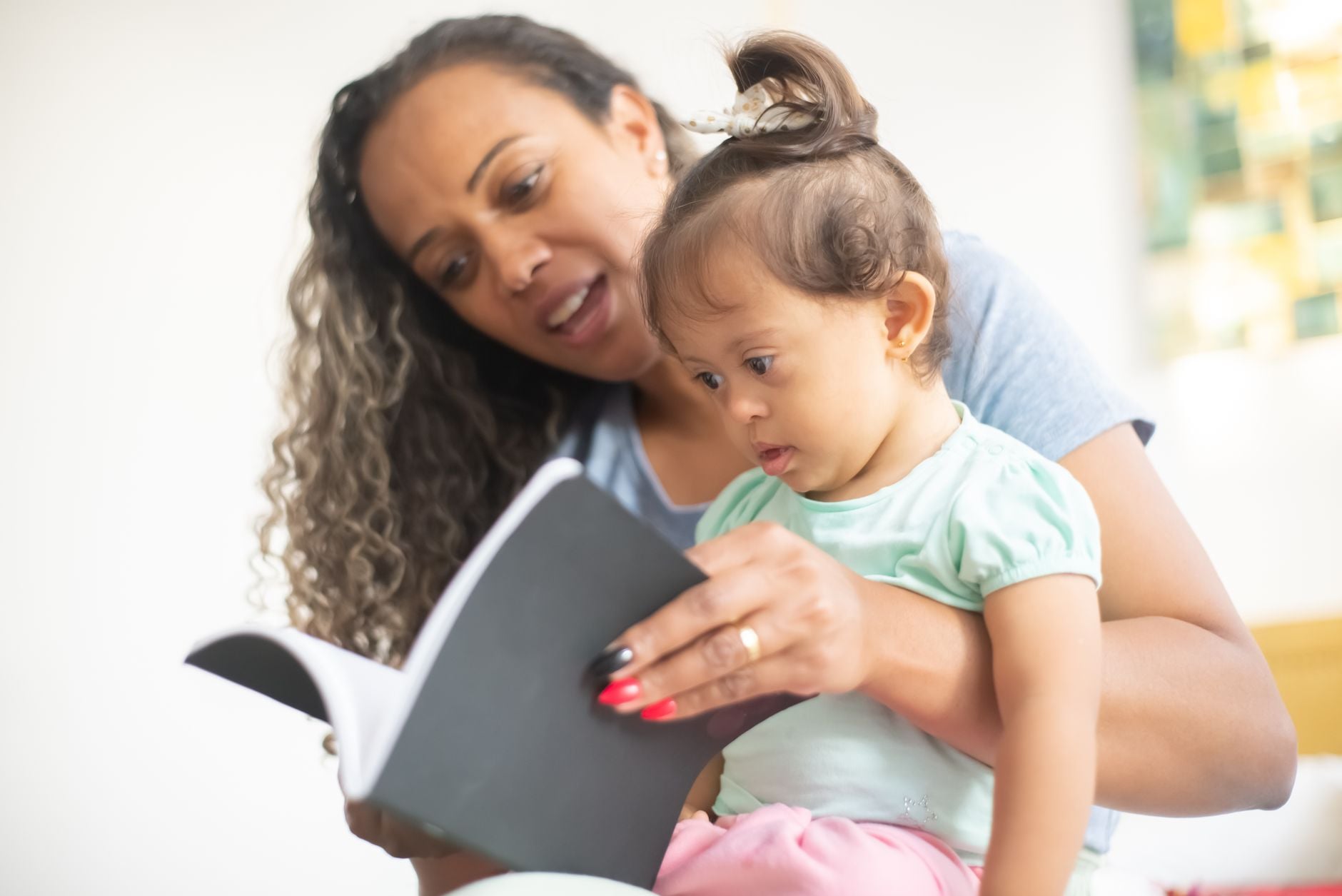
Mrs. Harlan let the quiet go on exactly as long as it needed to. Then she opened the book back up.
“Well,” she said. “We’re on page six, and Lexi was about to tell me what the dog did. Ashley, you can listen. You were never very good at listening, as I recall.”
“You didn’t even have me,” my sister said, and almost laughed. “I had Mrs. Fenton.”
“I had you in the lunchroom,” said Mrs. Harlan. “That was plenty.”
Lexi giggled. Then she put her finger under the next word, and stretched it out like taffy, and read to all three of us.
Ashley didn’t get the job back. I want to be clear about that, because I know some people would think I caved.
I didn’t. Mrs. Harlan was Lexi’s grown-up at the stop, on the form, in ink, and that is how it stayed. The envelope with six twenties in it went next door every Friday all year, and Mrs. Harlan spent it how she liked, which turned out to be mostly on pretzels and new library books and, once, a pair of light-up sneakers I was not consulted about.
Ashley lost that hundred and twenty dollars a week. She lost something else too, which was the way the people on our street used to look at her. In a small town, that takes a long time to earn back, and she knew it.
But the next Tuesday, which was one of her days off from the Tap, I came home and found three people at the bus stop instead of two.
My sister was sitting on the curb next to Lexi with her knees pulled up. She had brought the pretzels.
Mrs. Harlan was in her chair. She caught my eye as I came up the walk and raised one eyebrow, just slightly, as if to say, don’t you make a fuss.
So I didn’t.
By October, Ashley was there every Tuesday and Thursday, and on the Fridays she could get Rick to let her go at three, which turned out to be more often once she told him the reason. She always brought the pretzels. She would not let Mrs. Harlan buy them anymore.
“It’s the one thing I can pay for,” she told me once, in my kitchen, not looking at me. “Let me pay for the pretzels.”
I let her pay for the pretzels.
She caught up on the car in November. She told me that, too, at my kitchen table, and I didn’t offer to help, and she didn’t ask, and I think that was the first conversation we’d had as two grown women instead of a big sister and a little one.
We were all at Mrs. Harlan’s for Christmas Eve. Her son called from Arizona at nine. I heard her tell him, “No, I’m not lonely. I’ve got a houseful.”
The snow came in January, and the lawn chair had to come inside.
Mrs. Harlan stood in her front window at 3:20 instead, wearing her coat, and walked down to meet the bus in her rubber boots with a cane. Ron the driver started letting the bus idle an extra minute until she reached the maple. Nobody ever told him to. He just did.