The Lawn Chair at the Bus Stop
I walked it next door after supper. She took it, looked at the name, and handed it right back.
“I don’t want your money, honey.”
“It’s not a favor,” I said. “It’s a job. You’re doing a job.”
I heard myself say it, the exact words I had said to my sister in August, and something caught in my throat.
Mrs. Harlan heard it too. She looked at me over her glasses a long moment. Then she took the envelope and set it on the little table by her door.
“All right,” she said. “But I’ll spend it how I like.”
On Monday I traded my late lunch with Linda and drove home and back, which Dr. Miller pretended not to notice, just to sit in my car at the end of the street at 3:20 and watch. I couldn’t help it. I had to see it once.
Mrs. Harlan came down her front walk at 3:10 carrying an aluminum folding lawn chair with green and white webbing, the old kind that pinches your fingers. She had on a light blue cardigan and tan slip-on shoes over white socks. In her other hand she had a paper sack and a library book.
She set the chair up on the grass strip by the big maple, right where the bus stops, and sat down like she had been doing it her whole life.
At 3:25 exactly, the yellow bus came around the corner and stopped with that long sigh the brakes make.
The door folded open. Ron, the driver, leaned out and looked at the lawn chair. Then he laughed out loud and touched the bill of his cap.
“Mrs. Harlan.”
“Ronnie,” she said. “You still chewing with your mouth open?”
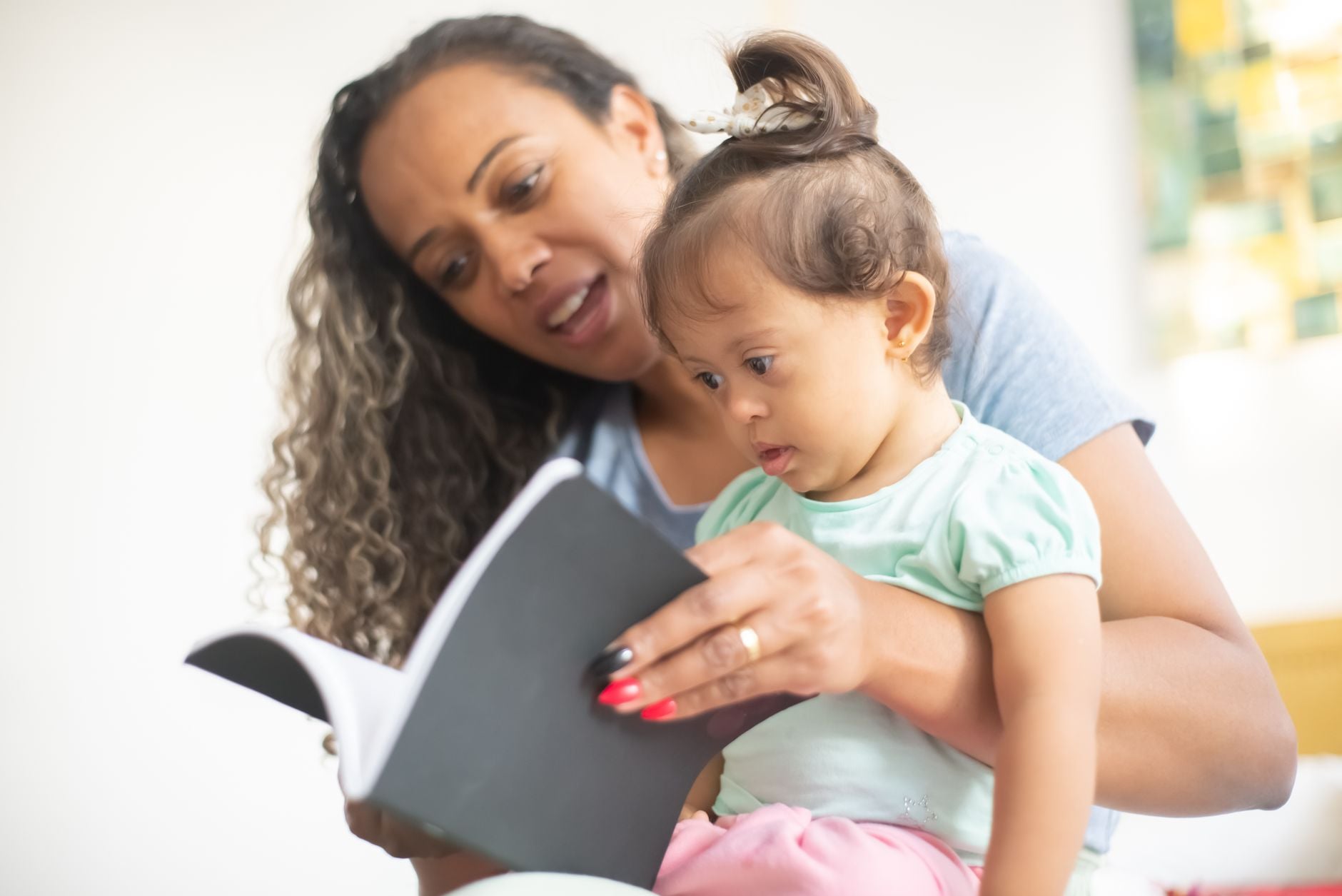
Then my daughter came down those three big steps with her pink backpack bouncing, looked around once, saw the lawn chair, and ran.
The bus pulled away. I watched in my rearview mirror as Lexi plopped down on the curb next to the chair, and Mrs. Harlan opened the paper sack, and I saw what was in it.
Pretzels. A whole bag of the big soft-baked ones from the Dollar General, the kind that leave salt all over your fingers.
I drove back to Jasper with my eyes so full I had to slow down on the curves.
It turned into a thing. That is the only way to say it.
Every school day at 3:10, Mrs. Harlan carried her lawn chair down the walk to the bus stop by the maple. Every day she had a paper sack of pretzels. Every day she had a book.
By the end of the first week, the whole street knew. Mr. Kessler across the way started timing his mail run so he could wave at her. The Boyd boys, who are in high school and mostly communicate in grunts, started saying, “Afternoon, Mrs. Harlan,” as they drove past in their truck.
In a town like ours, everybody knows everything by the second day. So I knew that by the second day, my sister knew too.
People asked her. Of course they did. “Isn’t Irene Harlan getting your niece now? Did something happen?” I heard about it from three different people, and I said the same thing to all three.
“Mrs. Harlan offered, and Lexi loves her. We’re grateful.”
That was all. I never told one person in that town what Ashley had done. I didn’t have to. A lawn chair at a bus stop says a lot without anybody saying a word.