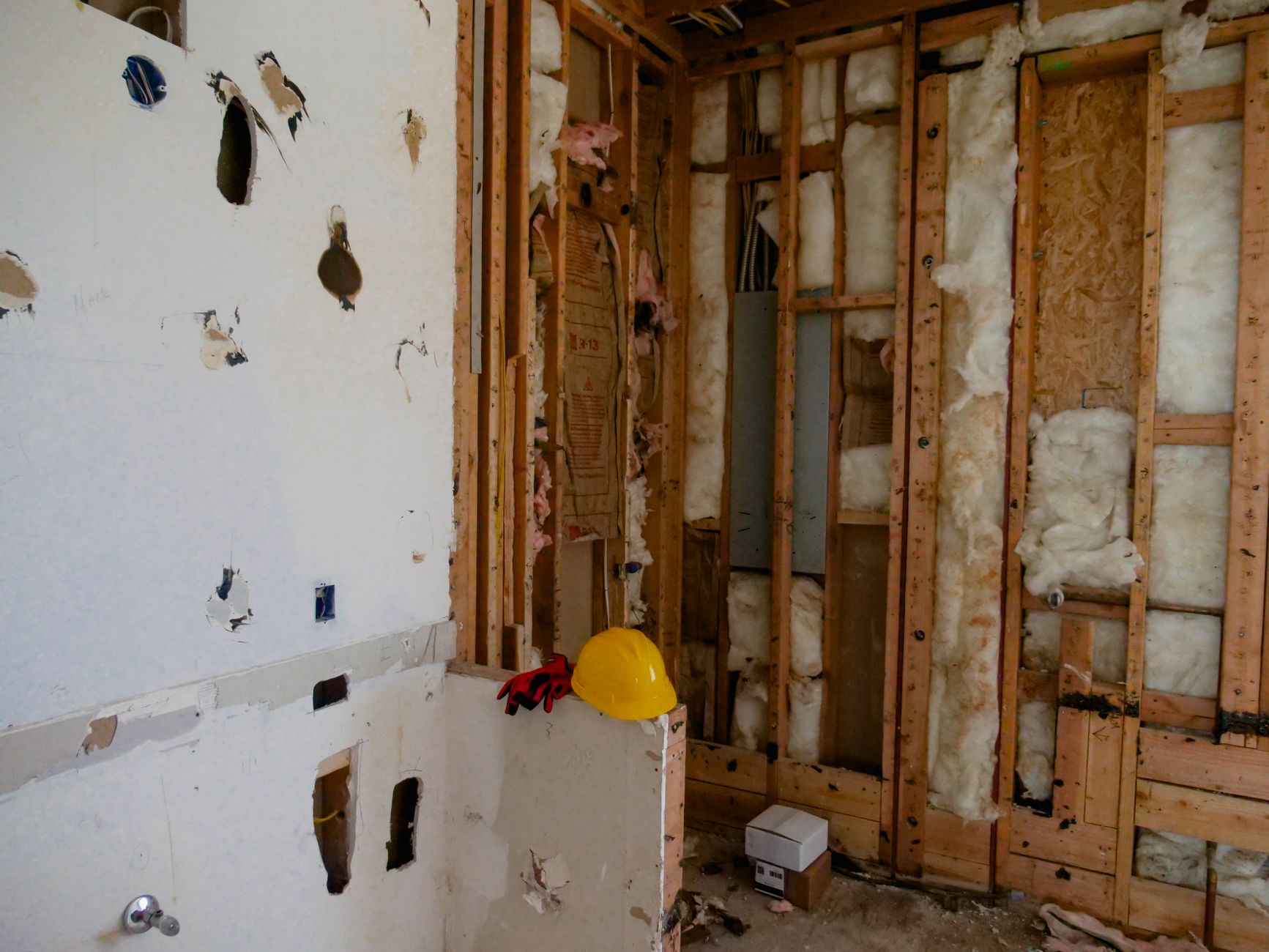
The Kitchen My Husband’s Brother Left Gutted
Plain white shaker cabinets, in stock, nothing fancy, $9,180 with the tax. I wrote that check out of the soybean money and put the receipt in my nightstand drawer.
Dusty laid the floor before the cabinets went in, a good vinyl plank that will not be ruined the next time the river comes up.
Ben primed and painted. Jeff came back and set the fixtures and the outlets. A plumber from town hooked up the new sink.
The kids started coming into the kitchen after school just to watch.
Avery brought a friend home again, for the first time since spring. Lily brought Dusty one cookie out of her lunchbox every day for two weeks.
He kept the last one on the windowsill and would not let anybody eat it.
There is one more thing I have to tell you, and it is the part I think about most.
When Dusty and Ben gutted the kitchen back in May, there was an old door frame between the kitchen and the mud room. It was solid oak, original to the house.
On the inside of that frame, in pencil, were the heights of every child who had grown up in that kitchen.
Matt’s marks were there, starting in 1989. Troy’s were there, starting in 1985. Their dad’s were there, faint, from the 1950s.
And my three were on it too, Avery and Cole and Lily, with the dates in my handwriting.
The bottom of the frame had stood in the flood water, and the pencil marks below about two feet were gone. But everything above the line was still there.
I had asked Dusty to save it, back in May. He pulled it out in one piece, and I wrapped it in a moving blanket and stood it up behind the chest freezer in the mud room.
On the last Sunday in November, Troy came to hang the last upper cabinet. Dusty and Ben had the day off.
It was just Troy on the ladder, and Matt holding the box up while he drove the screws, and me at the new sink washing one dish.
When the cabinet was level and tight, Troy came down off the ladder and set his drill on the counter. He stood back and looked at the whole wall, all of it finished.
He did not say anything. He tried to. His mouth opened and nothing came out, and he turned and faced the window.
Then I went out to the mud room and came back carrying the door frame in its moving blanket.
Troy turned around and saw what it was, and I laid it down on the new floor and unwrapped it.
He knelt down beside it. He found his own marks right away. TK, age 6. TK, age 9.
TK, age 14, with a line way up high that his mother had to stand on a chair to make. He put one finger on that line and held it there.
“Mom made me stand still for that one,” he said. “I wanted to go play ball. She made me stand still anyway.” His voice cracked on the last word, and he did not try to hide it.
“Can you put it back?” I asked him.
He looked at the frame a long time. The bottom was ruined. The oak was stained dark where the water had wicked up into it.
“Yeah,” Troy said. “I can put it back.”
It took him the rest of that day and two evenings that week.