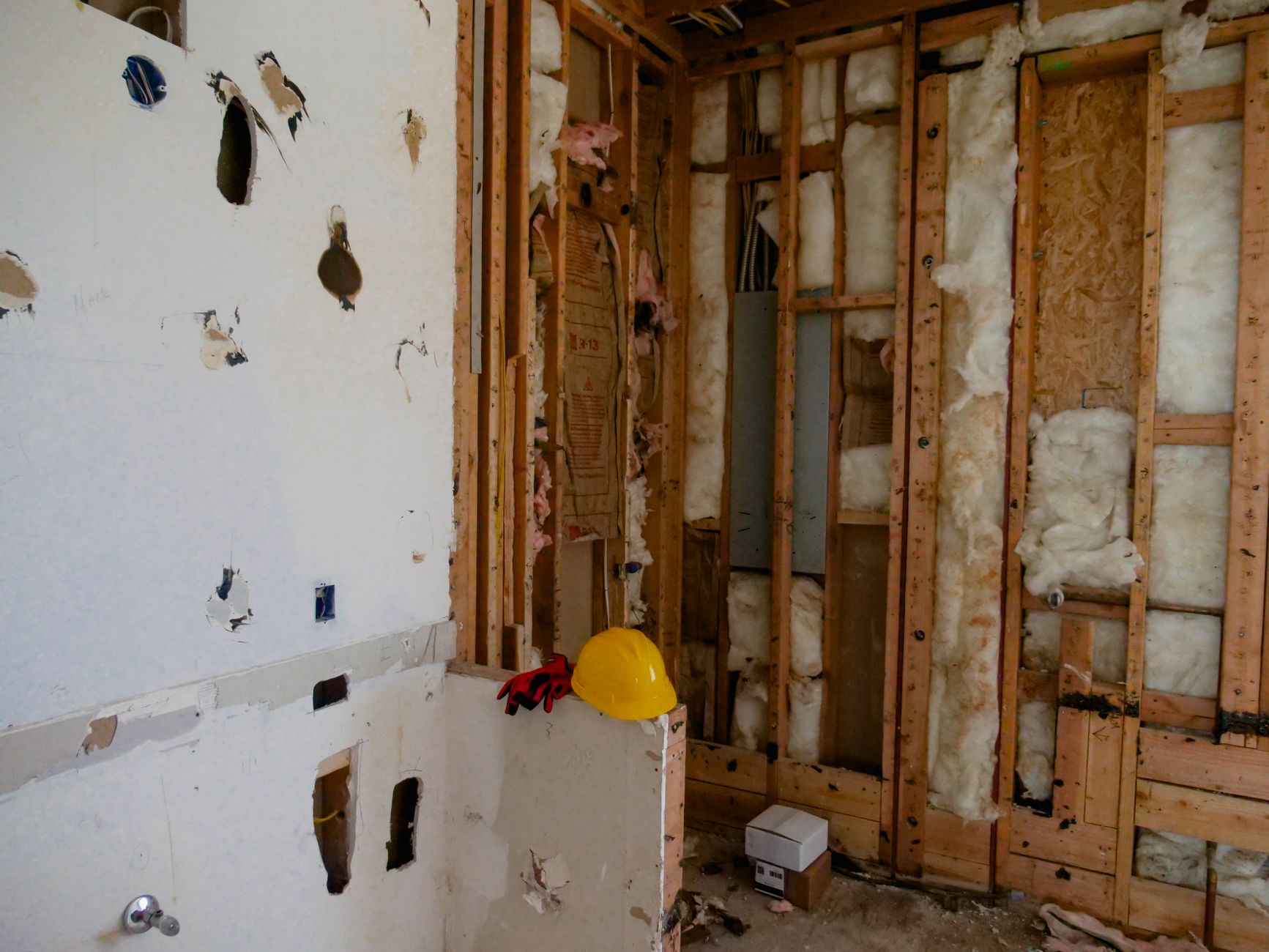
The Kitchen My Husband’s Brother Left Gutted
I called the cabinet place in Paducah myself the next morning. They had no order under Kessler. They had no order under the name of Troy’s business either.
I did not tell Matt that for a while. I am telling you now so you understand that I kept some things too, that summer, and not all of them for good reasons.
Here is the thing about Matt. He is a good man, and he is not a weak man, and I will not let anybody who reads this think he is.
He farms nine hundred acres of corn and soybeans with his dad’s old equipment and one hired man.
But Troy is his older brother. Troy taught him to drive a tractor and to throw a curveball and to stand up to the bigger boys on the school bus.
When their dad died, Matt was nineteen, and it was Troy who sat at the kitchen table with their mother and figured out how to keep the farm.
So every time I said the word kitchen, Matt’s jaw went tight and he looked out the window.
He would say, “He’ll get to it, Jen. He’s got a lot going on.” And then he would put on his cap and go back out to the field.
I understood it. I did. I also had three children eating supper at a card table in a room with no walls, and understanding it did not put a single cabinet on the wall.
We set up the hot plate the third week of May. Matt ran a heavy cord from the outlet in the mud room, which is on its own circuit with the washer and was the only one Troy’s crew had left live on that side of the house.
I cooked every supper for five months on two burners. Chili. Spaghetti. Fried potatoes and eggs. Soup out of a can when I was tired, which was often.
I washed every dish we owned in the bathtub, kneeling on a folded towel, and then carried them back out to dry on that drywall stack because there was nowhere else flat enough.
And every night, Lily said grace over a bowl at that card table. Dear God, thank you for the food, and thank you for our kitchen.
Every single night, she said it. It was the second half that got me, every time.
In September harvest started, and Matt was in the combine sixteen hours a day. In October the beans came off.
And then, on that Tuesday in late October, Troy walked into my kitchen with his coffee and looked around at what was left of it and told me I would get it when I got it.
I did not sleep much that night. I lay in bed next to Matt, who was asleep before his head was all the way down, and I did arithmetic in the dark.
Troy had our money. There was no other contractor in three counties who would start a kitchen without being paid, and we had no other money to pay one.
Every farm runs on an operating note. The bank lends you money in the spring for seed and fertilizer and fuel, and you pay it down in the fall when the crop sells.
Our first soybean check, a little over forty-one thousand dollars, was meant to go straight to the bank.
If I took part of it, we would carry more on the note into the winter. That would cost us interest.