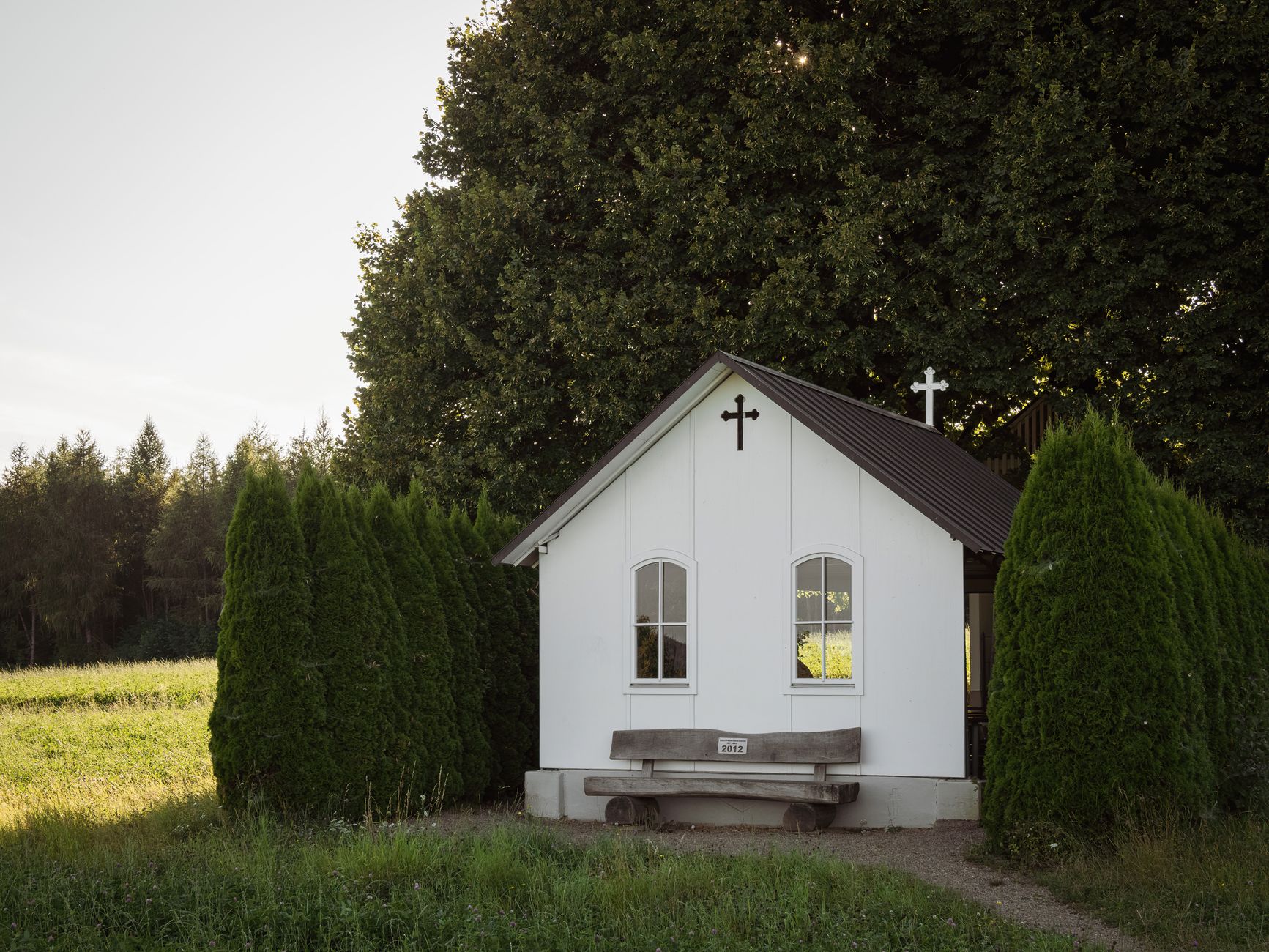
The Eleven in the Pews at Bethel
Lisa
I need to be fair to my sister, because she is not a cruel person, even though I have made her sound like one.
Lisa is four years older than me. When Dad got sick in 2019, she was the one who drove him to every chemo appointment in Columbia, two hours each way, while I had a one-year-old and a new job.
She sat beside him when he died. I was in the hall.
She stood at his grave behind Bethel and swore she would never set foot in that churchyard again, because she could not stand to see the place without him.
And then Mom started driving out there every week in the dark, and Lisa could not stand that either.
In the spring her husband Greg was laid off from the plant after twenty-two years. They have two kids in high school.
She had been the one paying Mom’s medicine and handling the estate while grieving, and she was running out of everything at once.
“Playing for nobody” was the hardest thing she could think to say because it was the thing she was most afraid was true. That Mom was alone out there with Dad’s grave. That all of it, all of Mom’s love and all those hymns, was going into an empty building in the dark.
I understood all of that. I still did not know if she would come.
The third Wednesday
I got there early again. The lamp was lit. The space heater was humming. Hank came in at five till seven and started picking out “Sweet Hour of Prayer” while people settled.
Josh was home that week, and he came. He sat in the back pew with Abby and talked tires with Bill for ten minutes before the music started.
He had brought an extension cord and a second heater from our shop and set it up without saying anything, which is how Josh loves people.
At ten after seven, I heard tires on the gravel.
I knew it was Lisa from the sound of the door. She does not slam doors; she closes them carefully, like she is afraid of what will happen if she lets go.
She stood at the back, right where I had stood two weeks before. She did not take off her coat.
She looked at the lamp on the piano, and at the people scattered through the pews, and her face did something I had not seen it do since we were girls.
Hank stopped playing.
Eleven heads turned. Then, slowly, Art got up from his pew. He is eighty-four years old and it took him a minute, one hand on the pew back, but nobody helped him, because he would not have wanted it.
“Your mother told us what to do,” he said, “if Lisa ever came.”
The front pew
Lisa did not move. I don’t think she could.
“She told us that the first winter,” Art went on, in that gravel voice. “She said, my oldest girl thinks I’m out here for nobody. She said, one day she’ll come to see for herself, and when she does, you stop the music.”
He looked at me.
“She said the younger one should read Lisa the names. Out of the hymnal. She said Kristen would know where it was by then.”
I did know. I walked up the aisle to the piano and picked up Mom’s hymnal and opened the front cover. My hands were shaking so much the page rattled.
“She said one more thing,” Art said. “She said Lisa gets the front pew. Left side. Right by the piano.”
Lisa made a sound I will never forget. That had been her pew.
When we were girls, Lisa took lessons for nine years, and she was good, much better than me, and every Sunday at Bethel she sat in that front pew on the left so she could watch the pianist’s hands.
She quit at sixteen after a fight with Mom about practicing. She never played again. I did not know Mom still thought about that pew.