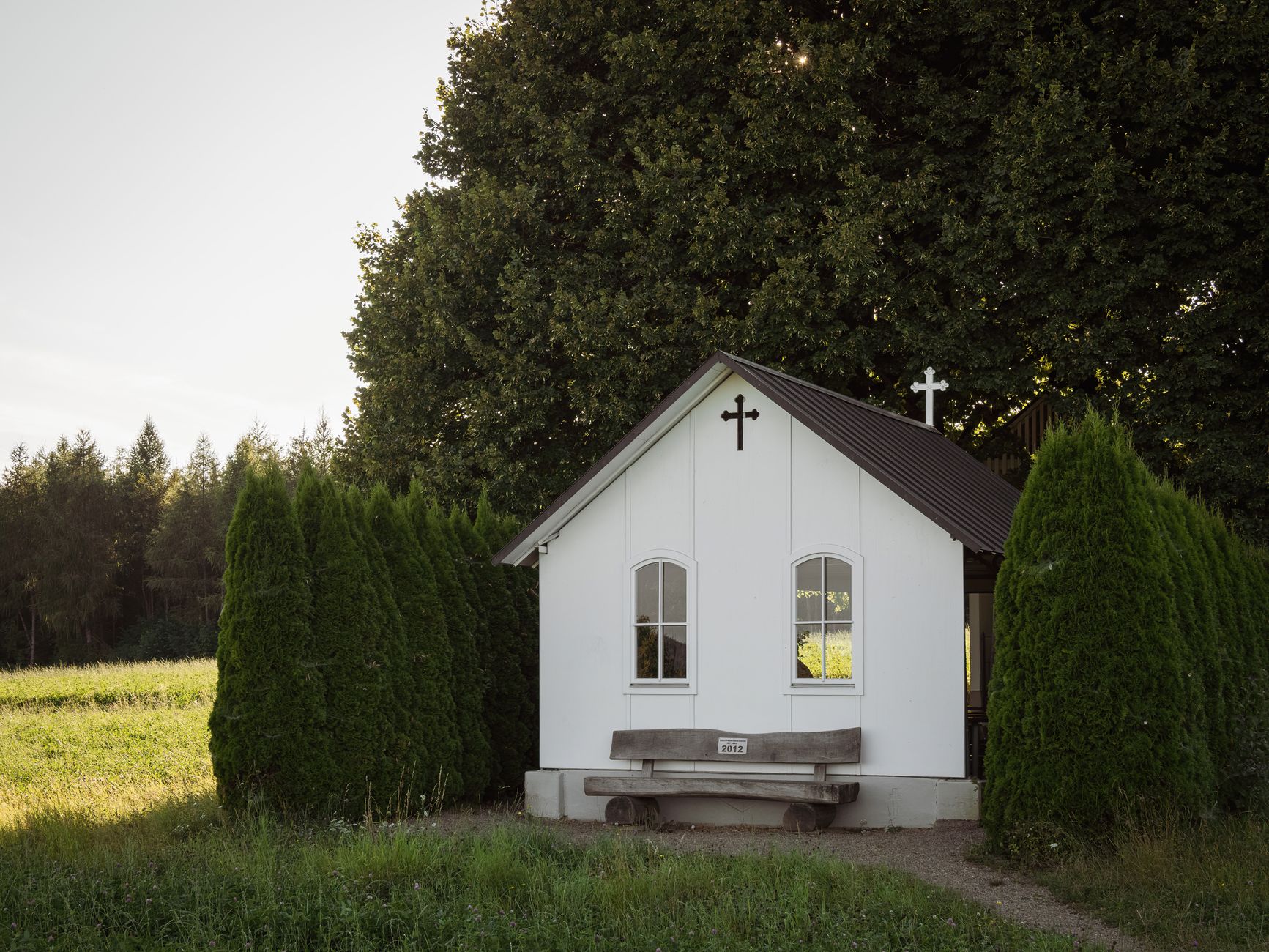
The Eleven in the Pews at Bethel
Just Hank
I learned later that his name was Hank Pruett and that he drove long haul for most of his life.
These days he ran a regular route that brought him back through our county on Wednesday nights, and he parked his rig on the wide shoulder by the hedge trees.
“I came to lock up,” I said. “My sister and I. The estate. There’s an offer on the building.”
Nobody argued. The young mother looked down at her baby. One of the old men in the feed caps took his cap off and turned it in his hands.
“Well,” Hank said. “Then I guess you’ll want this back.” He held out the key.
I didn’t take it. I don’t know why. I looked at that lamp burning on Mom’s piano, and at the hymnal lying open under it, and I could not make my hand reach out.
“Do any of you play?” I asked. It was a foolish question, but it was what came out.
“I can’t play,” I added, before anyone could answer. “She tried to teach me for six years. I can do ‘Heart and Soul’ and the first line of ‘Für Elise’ and that’s it.”
“I can,” Hank said. “Some. Not like her. She’d let me play when her hands got bad last winter.”
“Then would you?”
He looked at me for a long second, the way men do when they are deciding whether you mean it. Then he walked up the aisle and sat down on the piano bench and pulled the lamp a little closer to the music.
The hour
He played “Abide with Me” first. He played it slow and a little heavy on the left hand, like a man used to steering wheels and not keys, and I sat down in the very last pew because my knees told me to.
The baby had been fussing since I came in, a thin, tired, all-evening kind of cry. Her mother had been bouncing her and patting her back and murmuring into her hair the whole time.
By the second hymn, the baby was quiet. By the third, she was asleep, her mouth open against her mother’s shoulder, one hand curled in her mother’s collar. The young mother closed her eyes and just breathed.
Nobody sang loud. A couple of people hummed. One of the old men in the feed caps sang the bass line under his breath on “It Is Well,” and he knew every word of every verse without looking.
Halfway through, the young woman in scrubs checked her watch, stood up, and slipped out the side door. I heard a car start. Nobody turned around. It was clearly something that happened every week.
I sat there and let it wash over me. The windows went from blue to black.
The lamp made a little circle of gold on the piano and on Hank’s big hands. I could smell old hymnals and floor wax and the cold coming in under the door.
I had not cried at the funeral. I had been too busy with the food and the flowers and Lisa’s lists.
I cried in the back pew of Bethel, quietly, with my keys in my lap, and nobody looked at me, which was the kindest thing they could have done.