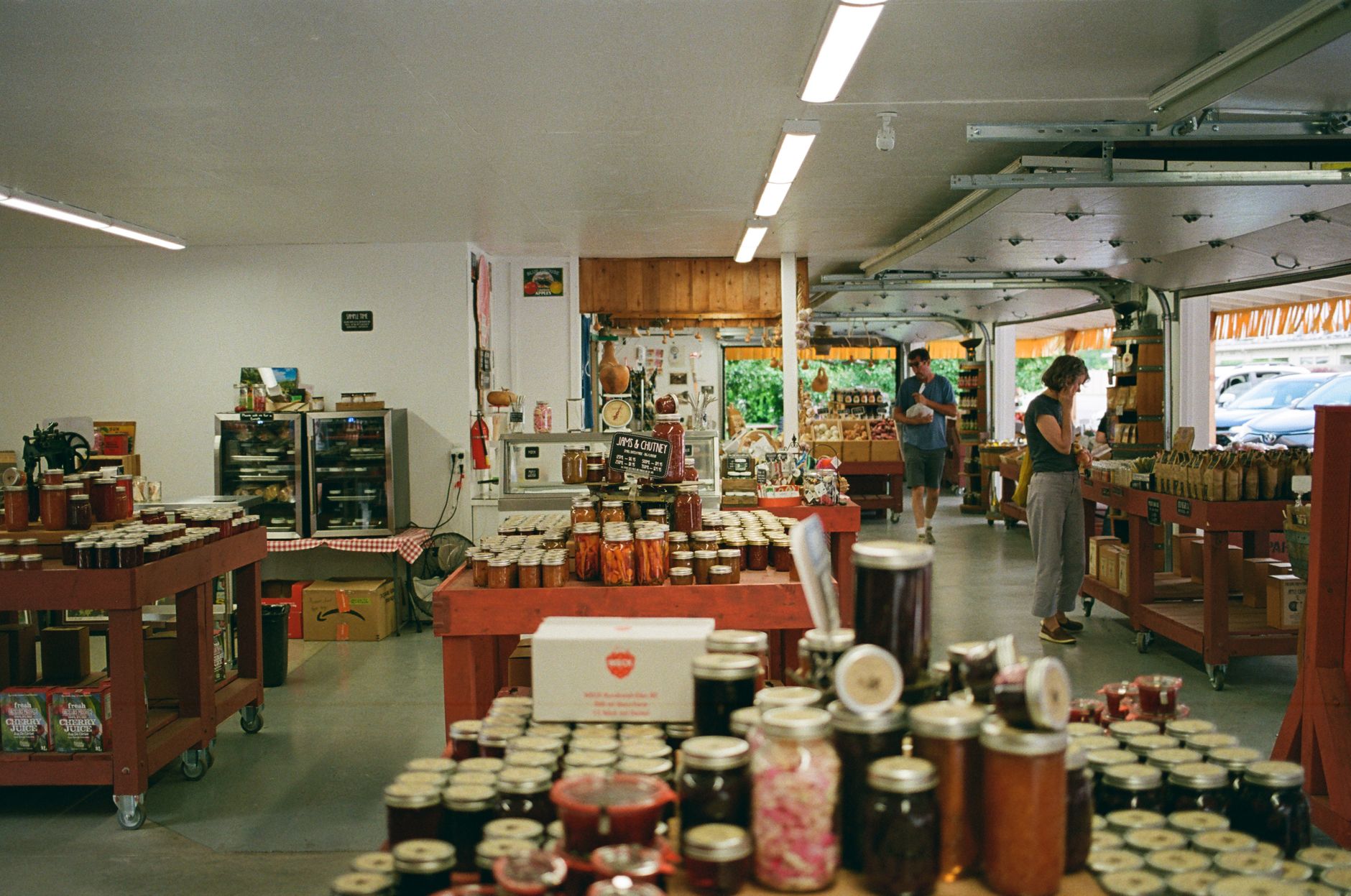
The Chow Chow Table Under the Oak
If I had said, “Wes, your wife is selling your grandmother’s chow-chow under her own name,” he would have gone home and put a stop to it that same night. He is that kind of man. He would have been ashamed for her, and he would have fixed it.
And that was exactly why I did not say it.
Because then it would have been Wes telling her. And she would have stopped because Wes told her to, or because I caught her, and she would have been sorry she got caught, which is a different thing from being sorry.
She would have heard whose recipe it was. I wanted her to see it.
I did not want to scold a pregnant girl in her own kitchen. I wanted her to stand under that oak tree and look at my mother’s face.
So I did not say anything. I sent Wes home with a plate of chicken for her and a jar of my fig preserves, and he hugged me at the door, and I felt like a liar.
The next Friday after work, I went out to the garden with my own bucket.
I picked the last of the green tomatoes, small and hard, the ones that were never going to turn. I cut four heads of cabbage. I picked every pepper I could find, sweet and hot.
I sat on an overturned bucket on my back porch and chopped until the light was gone. Mama never used a food processor. She said it bruised the cabbage and made the whole batch weep. So I did it with her old knife.
Somewhere around the second head of cabbage I started talking to her. I am not ashamed to say so. I told her what was happening. I asked her what she would do.
I know what she would have done. She would have walked right up to that girl’s table and bought a jar and told her it needed more celery seed. Mama was not a quiet woman.
But I am her daughter, not her, and I did it my way.
I salted it all down in Mama’s big enamel dishpan and covered it with a clean flour sack towel and left it on the counter overnight, the way the card says. You have to let the salt pull the water out, or it all turns to mush in the jar.
Then I took the card out of the cedar box where I keep it.
I had not had it out in more than a year. I keep it in a sandwich bag inside the box, because the paper is going soft at the edges, and the pencil is fading a little more each time I look.
The tomato stain was still there on the bottom corner. I have always believed it is her thumbprint. I put my own thumb next to it, the way I used to do when I was a little girl standing on a step stool beside her.
My thumb is bigger now than the stain. When I was eight, they were the same size.
I sat at my kitchen table at eleven o’clock at night with that card in my hand and cried the way I had not let myself cry at the funeral, with my head down on my arms, for a good long while.