The Casket Ottis Built for Arlis
Arlis came out onto the porch. Ottis did not look down. For the first hour neither of them said a word. Then Arlis went into the garage, came back with a second ladder, set it against the opposite eave, and climbed up with a hammer.
At six in the evening, with the tarps nailed down and the sky going purple, Arlis climbed down first and stood at the bottom with his hands on his hips. Ottis came down a rung at a time. Arlis said, “Supper’s cold cuts,” and Ottis said, “That’ll do.”
That was the entire reconciliation. They never spoke of Eula’s last six weeks, or the truck, or the letter.
They just started eating supper together again, and on the first Friday after the roof they had coffee in Arlis’s garage, and the Friday after that, and for eleven years running neither of them missed one.
That brings me back to the hospital bed in the Tidwell living room, and the nurse on the Tuesday in September.
Arlis’s heart had been failing slowly for two years, the way a tide comes in, easy to ignore until your shoes are wet. By midsummer his kidneys were going, and by August he could not walk from the bed to the bathroom without help.
Janelle took a leave from teaching and moved into the spare room. A hospice nurse named Darla Beasley came three days a week and talked to Arlis as if he were still in charge of things.
The Tuesday she told us, she asked for the two of us and Janelle in the kitchen. She did not have to say much. His numbers had moved. Weeks. She laid one hand on Janelle’s arm and left it there while Janelle looked at the floor.
When we went back into the living room, Arlis was awake. The afternoon light came through the front window and lay across the blanket. He looked at Ottis, who was standing by the end of the bed with his cap in his hands.
“Darla talk to y’all?”
“Yes sir,” said Ottis.
“Then you know.” He moved his hand on the blanket a little. “I want you to build it, Ottis.”
My husband did not ask what. He had known Arlis too long.
“Plain pine,” said Arlis. “I won’t have some catalog box with a satin pillow in it. I don’t want a thing from a showroom. You make it.”
“Arlis.”
“You told me once you’d build me anything I needed for the rest of my life.” Arlis looked at him steadily. “I’m calling it in.”
I understood it then, and I do not think I had before. The letter Ottis wrote at the kitchen table, the one I never read. Somewhere in it he must have made Arlis a promise, and Arlis had kept it all these years and was now cashing it in.
Ottis nodded once. That was all he could manage. He stood with his cap in both hands and his chin down for what felt like a long time.
“All right,” he said.
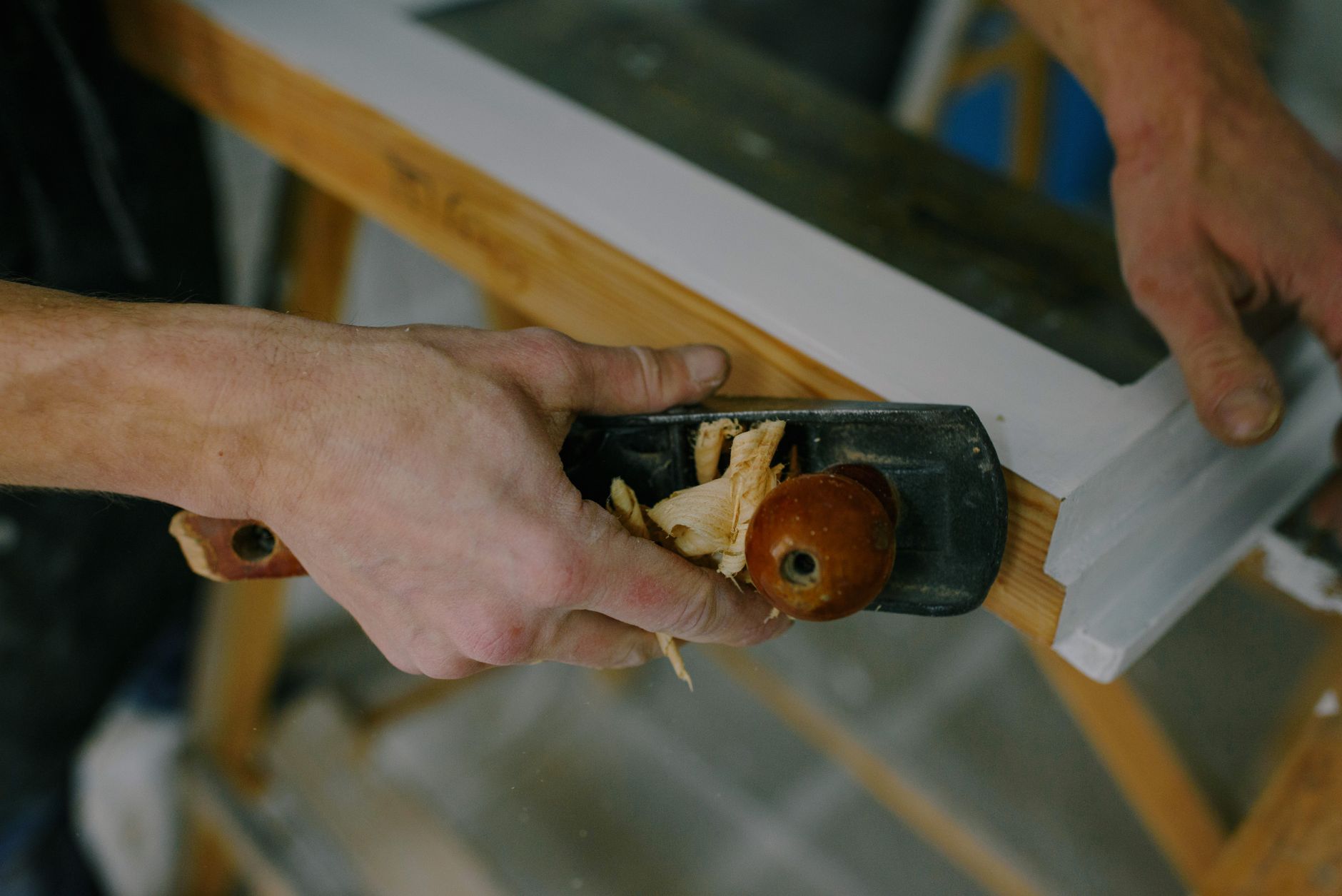
That night Ottis did not touch his supper. At two o’clock he got out of bed. At twenty minutes to five, I heard the saw.
That first morning he laid every board he’d saved across two sawhorses and walked slowly down the length of them with his hands behind his back, like a man inspecting troops.