The Pinewood Derby in Our Hayloft
He started with 120 grit, rough enough to take the saw marks off. Then 220.
Then 400, which feels like nothing at all, like rubbing the wood with paper. Dad showed him how to always go with the grain and never against it.
Some nights he sanded for ten minutes and some nights for an hour.
He would hold it up to the light over the table and turn it and run his thumb along it, the exact same way I have watched my father do with a cabinet door my whole life.
I still find pine dust in the cracks of that table. I have decided I am never going to clean it all out.
When it was smooth, he painted it. Three coats of blue spray paint out in the shop, with Dad standing by to make sure he kept the can moving.
Then a white stripe down the middle that he did with a tiny brush and two strips of masking tape.
The stripe is not perfectly straight. It wobbles a little near the back where his hand got tired.
If an adult had built that car, the stripe would have been straight. I have thought about that a lot.
He polished the axle nails with a drill and a scrap of fine sandpaper, which Dad held and Carter ran, both of them squinting at the little nail spinning.
He glued in the weights himself, little zinc cylinders from the hobby kit, until the kitchen scale read 4.9 ounces.
“Why not five even?” I asked him.
“Because Grandpa says the school scale might be different from ours,” he told me, very serious, “and you don’t want to get there and be over.”
That was my son. He had thought of everything. He had thought of every single thing except that his own aunt would hold his car up over her head and tell the whole pack he had not made it.
That night at the kitchen table, after the hotdish had gone cold, he finally looked up from the car and said something.
“Grandpa,” he said. “Did I cheat?”
I watched my father take off his glasses. He does that when something matters.
He folded them and set them on the table next to the car, and he looked at Carter without them, the way he used to look at me.
“No, sir,” he said. “You did not cheat. You built a good car. I watched you do it every night for a month, and I would put my name next to yours on the bottom of it any day.”
“Then why can’t it race?”
Dad did not answer right away. He looked at me across the table, and I shook my head a little, because I did not have an answer either.
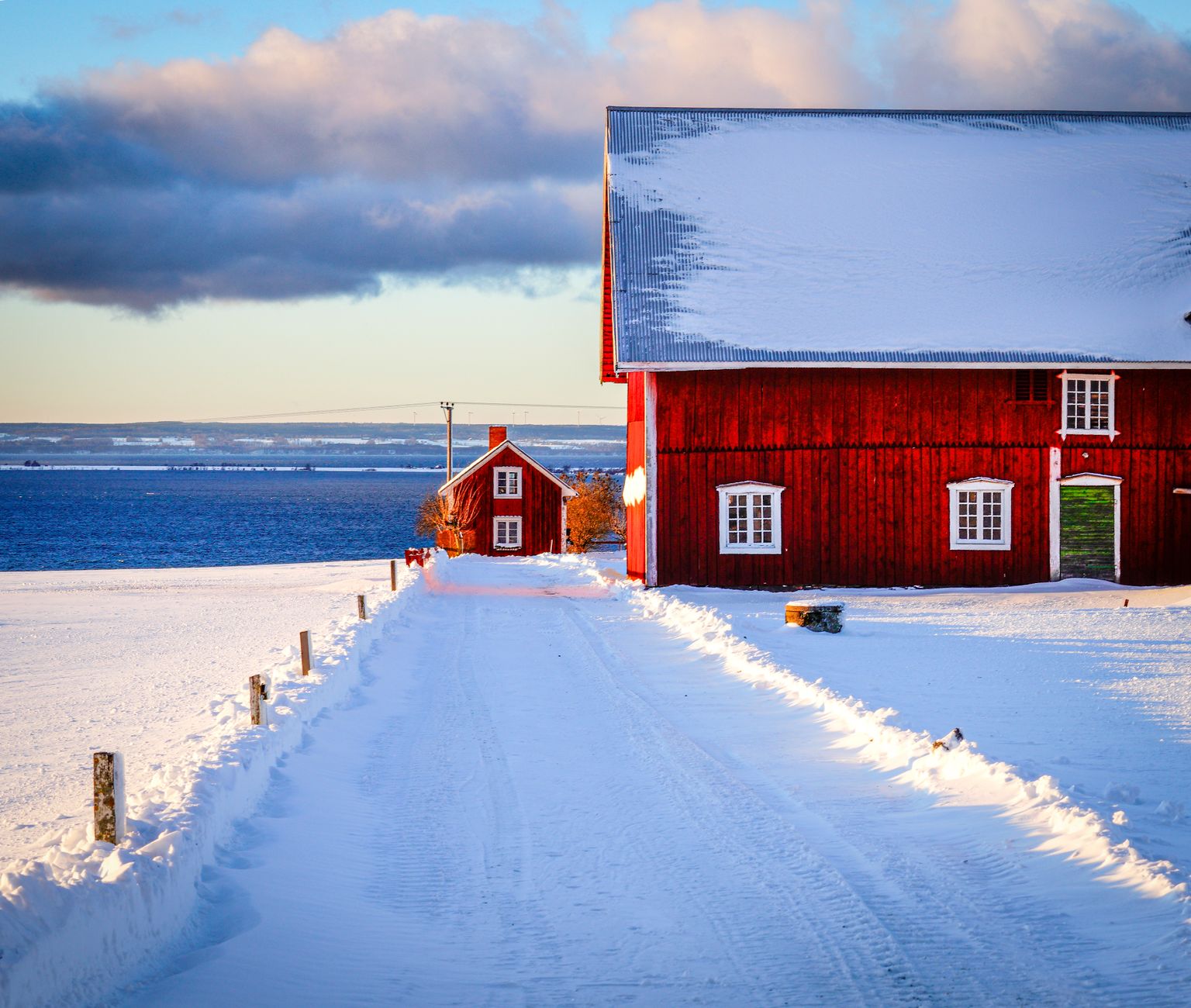
Then he turned and looked out the window over the sink. It was dark, but the yard light was on, and you could see the barn out there, big and red and old, with snow drifted up against the north side.
He looked at that barn for a long time. I could almost hear him measuring.
“Who says it can’t?” he said.
Carter looked at him. I looked at him. Dad put his glasses back on and picked up the car and turned it over in his hands, and for the first time all night, he smiled.
“Get your boots on in the morning, partner,” he said. “We’ve got some work to do.”
The pack’s derby was the next morning at ten, in the same gym. We did not go.