The Shoebox Full of Box Scores
Travis stood up at the head table with a bottle of beer in one hand and a folded piece of notebook paper in the other, and the room went quiet the way rooms do for a groom.
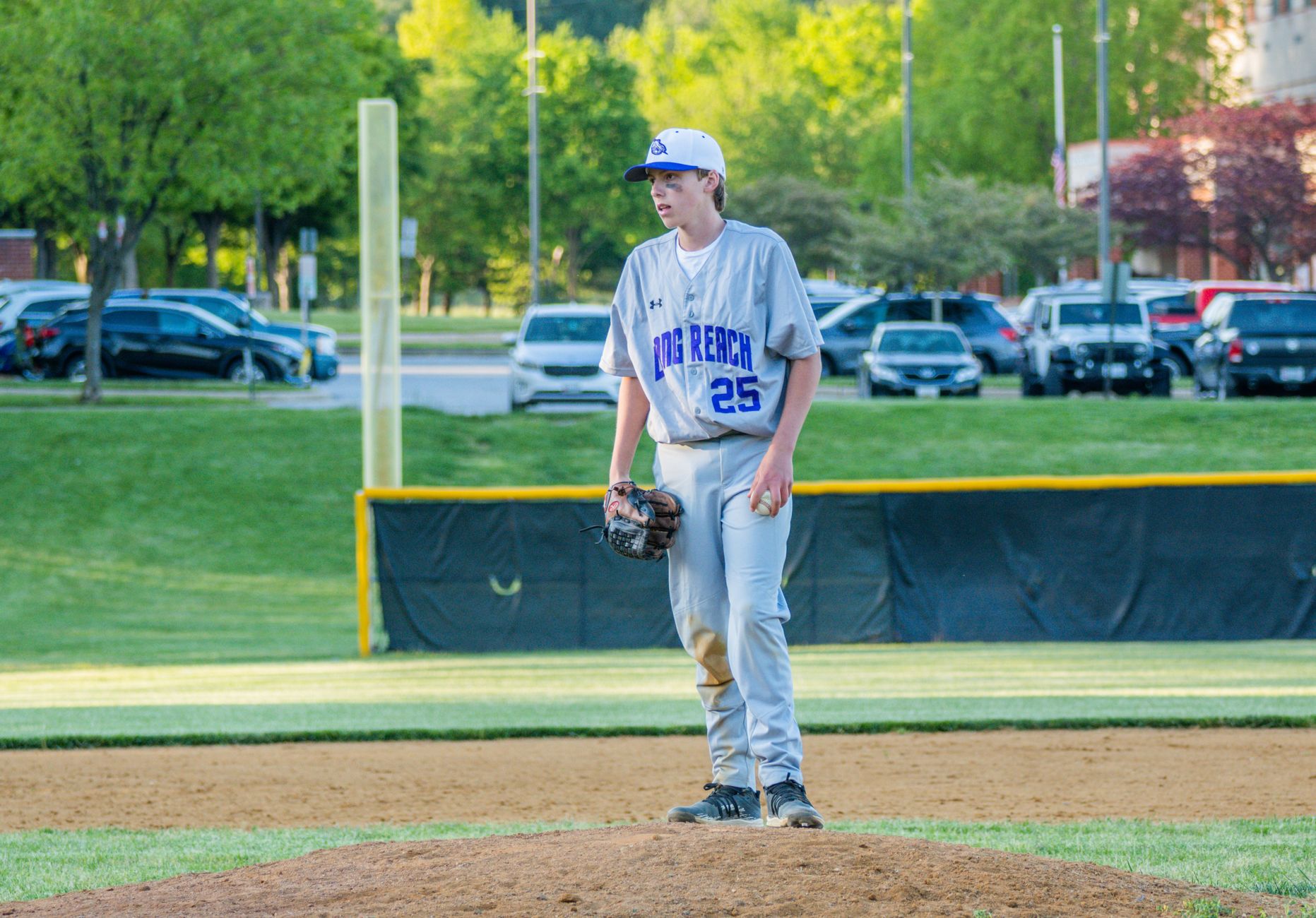
He was 28 years old, six foot one, and he still stood like a second baseman, weight up on the balls of his feet like somebody might hit one to him.
The rehearsal dinner was out at the golf club on the edge of town, in the back room with the windows that look over the ninth green. Round tables, white tablecloths, little jars of sunflowers that Jenna’s mother had done herself.
There were forty-some people. Jenna’s family from Litchfield, our people from around home, the groomsmen and their wives, and a few of Travis’s old teammates who had driven in that afternoon.
He thanked Jenna’s parents first, which was right. He thanked the pastor. He thanked his groomsmen and made a joke about one of them that got a big laugh, and I laughed too, because it was funny.
Then he turned toward our table and his voice changed a little, the way a man’s voice does when he gets to his mother.
“And I want to thank my mom,” he said. “Mom came to every single game I ever played. Every one. Rain, cold, doubleheaders in Benson when it was forty degrees. She was always in the third row with the blanket.”
Lori put her hand to her mouth. People clapped, and somebody at the next table said, “Aw,” and I clapped too. Every word of it was true. She earned that.
Then Travis grinned and lifted his beer a little toward me.
“Dad never made one,” he said. “He was always in the field.”
The room laughed. Not a mean laugh. A warm one, the kind people give a line that sounds like every farm family they know. Jenna’s uncle slapped the table. One of the old teammates hollered, “Hey, Ron!”
I did not laugh.
I did not frown either. I just set my fork down beside my plate, lined it up straight with the knife, and looked at the little piece of walleye I had not finished.
Under the table, Lori found my knee and held on to it.
Travis went on to the next part, something about the honeymoon, and the room went on with him. I do not think he saw my face. I hope he did not. It was his night, and he had not said one thing that was not true.
I was in the field. I never once sat in those bleachers. Not for a regular-season game, not for a doubleheader, not for a single inning of the three years he played varsity ball for the high school.
But that is not the whole of it, and I had never told him the rest.
I am a crop farmer. Corn and soybeans on about 900 acres in west-central Minnesota, some of it ours and most of it rented, with a little alfalfa on the low ground that I put up for a neighbor’s cattle. My dad farmed it before me, and his dad before him.
People who do not farm think of spring as a pretty season. On our place, spring is a race.
The ground is too wet until it is suddenly ready, and then you have maybe three weeks to get a whole year’s crop in before the yields start to slip.