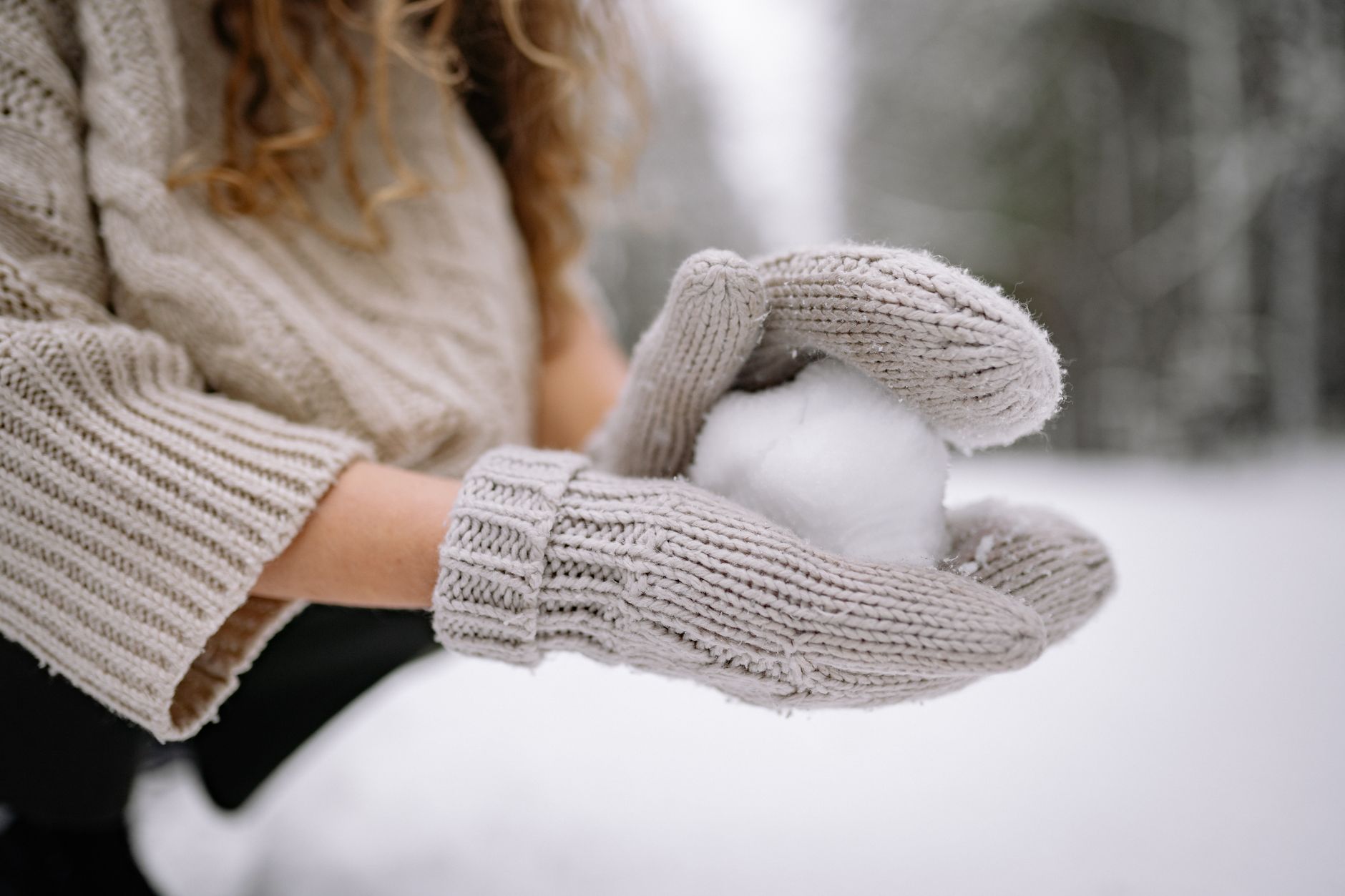
The Mittens Under the Bazaar Table
When I retired two years ago, I gave that box to Gordy, who took over Route 4.
And then last winter, sitting in the recliner with nothing to do with my hands, I thought, I can do better than the dollar store. I can make the kind that last.
That was where the sixty pairs came from. I had planned all along to give them to the bazaar, because I thought the church would sell them for a fair price, maybe fifteen or twenty dollars a pair, and the money would go to the roof, and the mittens would go to families who needed them. Everybody wins.
I did not think about what would happen if they never got seen at all.
At three o’clock, when the crowd had thinned to the stragglers and the Altar Guild ladies were boxing up the leftover bars, I took off my apron, washed my hands, and walked out to the front table.
Kim was counting the cash box. She had her reading glasses pushed up in her hair and a pencil behind her ear, and she looked tired. She had been on her feet since six.
I lifted the tablecloth. Both bins were right where she put them. The index card was still tucked in the first one. Sixty pairs. Not one gone.
I took my checkbook out of my purse, the old blue vinyl one I have had since the bank changed names twice.
“I’ll take all of them,” I said.
Kim looked up from her counting. “All of what?”
“The mittens. All sixty pairs.”
She looked at the bins, and then at me, and for a second I saw something cross her face that I did not understand at the time. Then it was gone.
“At two dollars,” she said slowly.
“At two dollars. That’s a hundred and twenty for the roof.” I wrote the check right there on the edge of her table, made out to St. John’s Lutheran, memo line Roof Fund, and tore it off.
Kim took it. She held it a second longer than she needed to. Then she put it in the cash box under the clip with the other checks, and she said, “Well. That’s generous of you, Sandra.”
That was all. She did not say anything about the price, and I did not ask her to.
Dave had spent the whole day at the pie table, cutting slices and taking dollar bills and visiting with every farmer who came through.
He sees more than people think. When I came out with the bins, he set down his pie server, came around the table, and took them from me without asking.
He carried them out to the truck, both at once, and set them on the back seat of the crew cab. He did not say a word until we were past the Cenex on the edge of town.
“Want me to talk to her?” he asked.
Kim is married to his little brother, Tom. Tom farms the home place with their nephew, and he and Dave still have coffee most mornings at the elevator.
Whatever I said next was going to land at that coffee table too.
“No,” I said. “She’s family. Let it be.”
“Sandy, those were good mittens.”
“I know they were.”
“She didn’t have to stick them under the table.”
“I know that too.” I looked out the window at the stubble fields going by, all gold and gray. “She’s running it for the first time. She’s nervous. She wanted it to look nice.”