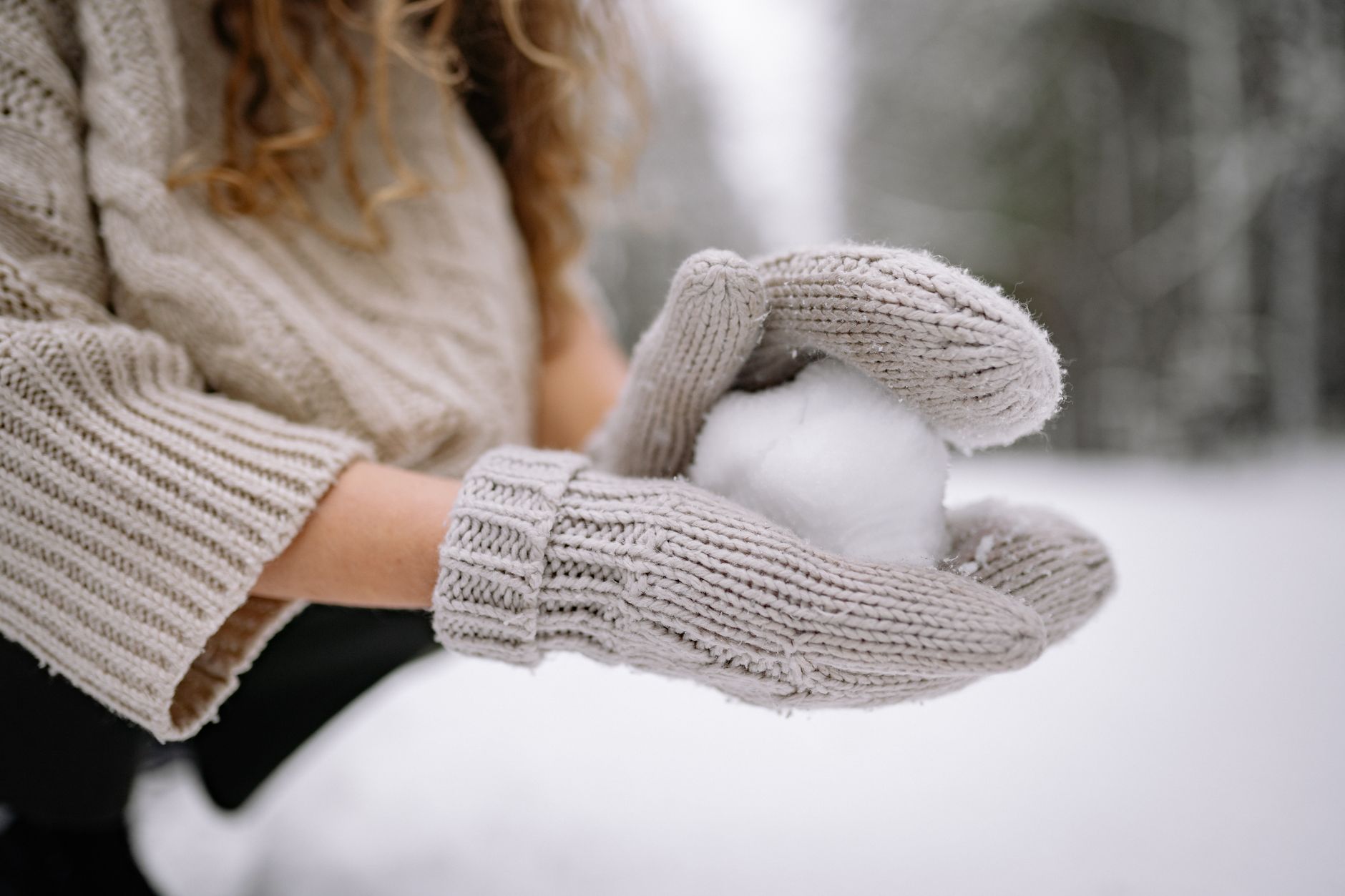
The Mittens Under the Bazaar Table
I thought about what it would look like. Two Holm women having words at the front table of the fall bazaar, in God’s house, over mittens, with Pastor Glen’s wife holding the coffee.
People in a town of 1,300 would be telling that story at the café by Monday noon. They would not be telling it about Kim.
And the roof fund would get the money either way. That was what I said to myself. The roof over that sanctuary has leaked into the choir loft for three winters, and every dollar mattered.
So I took my hand off the bin lid, and I said, “I’ll go see if they need me in the kitchen.”
Kim said, “Oh, would you? That would be wonderful,” and she meant it. She was already on to the next thing.
The kitchen at St. John’s has not changed since 1974. Two big white stoves, the long steel counter, the pass-through window with the sliding door that sticks in humid weather.
I have washed dishes in that kitchen for every funeral lunch since I was married.
I tied on an apron and started slicing pies. Marlys Berg was making sloppy joes in the roaster, and she took one look at my face and handed me a knife without a word.
“Bad morning?” she asked after a while.
“Just busy,” I said. Marlys is a good woman, but she is also on the prayer chain, and the prayer chain in our town moves faster than the internet.
Through the pass-through window I could see the front table all day. People came in, stopped at the candles, smelled them, picked them up.
Some bought them. Kim sold eleven before lunch, and I was glad for her, I truly was.
Not one person bent down and lifted that tablecloth. Why would they? Nobody knew there was anything under there.
Around noon, a young mom I did not know came through the line with two little ones in snowsuits that were too big for them.
Hand-me-downs, I could tell, the cuffs rolled twice. The smaller one had bare red hands.
I almost went out there. I had the apron half untied.
Then the line moved and they were gone with their sloppy joes, out to a table by the window, and I told myself I would catch her later.
I did not. I have thought about that more than once.
I want to explain about the bus, because it is the reason for everything.
I drove school bus in this town for thirty-one years. Route 4, the long one, out past the grain elevator and the gravel pit and up the county road to the township line.
Fifty-two miles a day, twice a day, nine months a year.
I started when my own boys were small, because the hours let me be home when they were, and I kept on long after they were grown, because by then the kids on Route 4 were mine too.
You learn things about children when you drive them every morning. You learn which ones did not get breakfast. You learn which ones are wearing their big brother’s boots with newspaper in the toes.
And you learn about hands. A seven-year-old waiting at the end of a farm lane at 7:10 on a January morning, twelve below, with no mittens, holds his hands up inside his coat sleeves and still cannot feel his fingers by the time he climbs the steps.
I kept a box of mittens under my seat for years. Dollar-store ones, mostly, that I bought on sale in March. They wore through by February, but they were better than nothing.