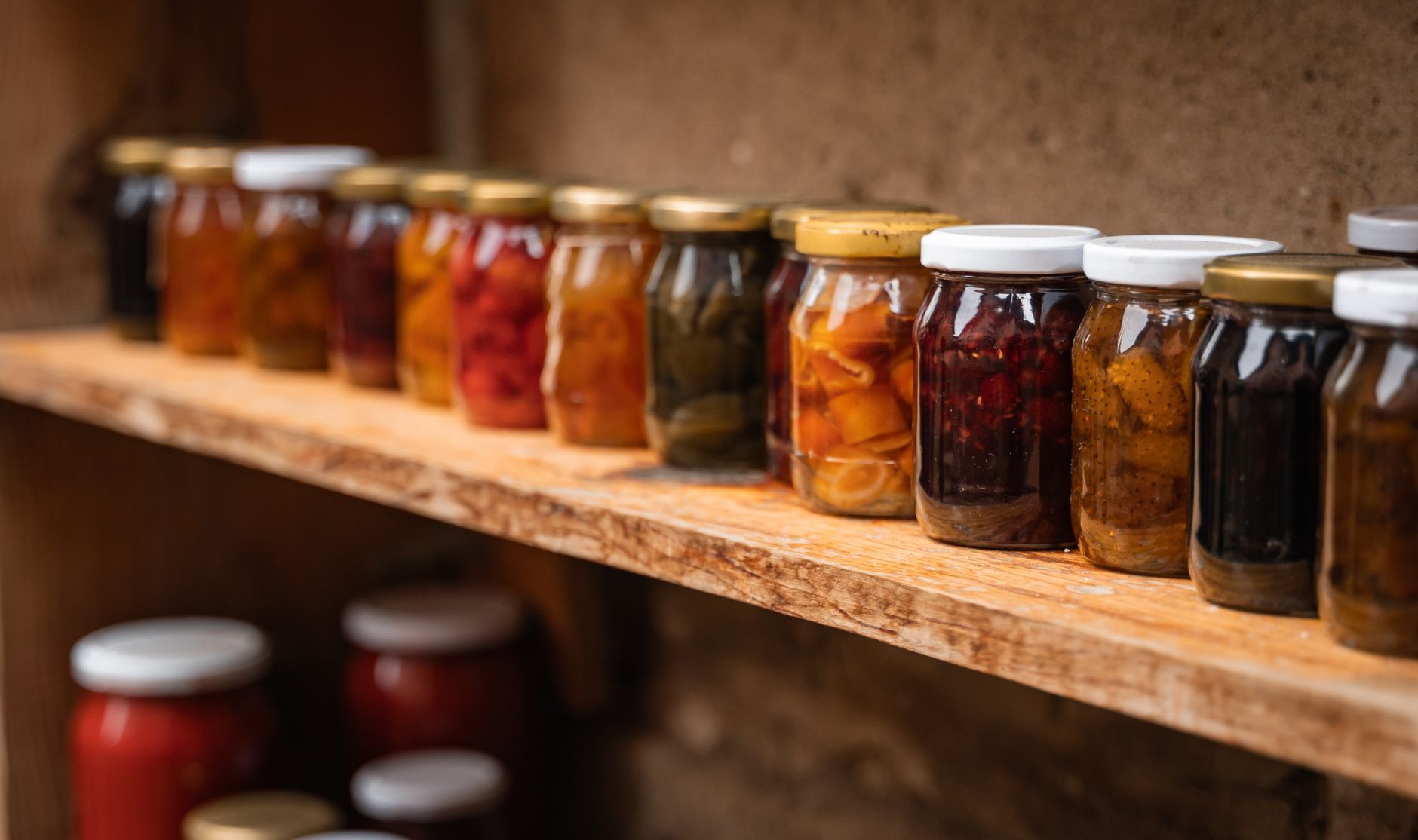
The Jars I Canned for the Food Shelf
Ashley stood at that table and read the book for a long time. Then she went back to the church group, who had all seen her crying in the vegetable aisle, and she told them what she had done.
All of it. The dumpster behind the fellowship hall. The text. The hundred and forty jars.
I did not ask her to. I would have told her not to.
But she did it, standing there in front of eight women from our church, and some of them were women who have known me for thirty years.
But Ashley had to stand there and say it out loud. That was her consequence, and she chose it herself. I believe it was the hardest thing that girl has done in her life.
When I got home that afternoon, there was a check in my mailbox, tucked inside a card, in Ashley’s handwriting. Two hundred and fourteen dollars. She had asked Barb what the jars cost, and Barb had asked Curt.
The card said, “For next year’s jars. Please let me help buy them. Ashley.”
I did not cash it. I put it in the drawer with my recipe cards, and it is still there. But I kept the card on the refrigerator all winter.
Ashley came out to the farm the next Saturday morning with a notebook and a pen and a list of questions written out ahead of time, like she was going to the doctor. Nick brought the kids an hour later.
I had the extension booklet out on the kitchen table, the one I have had since 1994.
I also had the new one I picked up at the extension office that week, because the times have changed a few places since then.
“I want to do it from the book,” I told her. “Not from me. If something I say doesn’t match the book, the book wins. And if the book and I both don’t know, we call the extension office and ask.”
It was late in the year, but the Bontragers had a few bushels of apples left. So we started with applesauce, because it is the gentlest place to start.
She peeled and I cored. Ava sat in the high chair and ate apple peels until we took them away.
Henry stood on a kitchen chair and turned the crank on the Foley mill, which is the best job in the house when you are five.
When the jars came out of the canner and set on the towel on the counter, we all sat around the table and waited. Then the first lid pinged, that little sound like a fingernail on a bell.
Ashley jumped. Henry yelled, “That’s one!” And every time another one pinged, he yelled the number, all the way up to seven.
Then she wrote out the labels herself, in her own handwriting. Applesauce. Quart. Water bath, twenty minutes. The date. And her initials, A.F.
“Can I write his name?” she asked. “Or is that just yours?”
“It’s for Henry,” I said. “Write it however you want.”
She wrote his name. It was not very good. The H leaned over like a fence post in a windstorm.
Henry told her so, and she laughed, and that was the first time I had heard Ashley laugh since that winter in Iowa City.
The next weekend we did the last picking of Curt’s late beans, which he had kept alive under old bedsheets through two frosts, and I let her run the pressure canner.